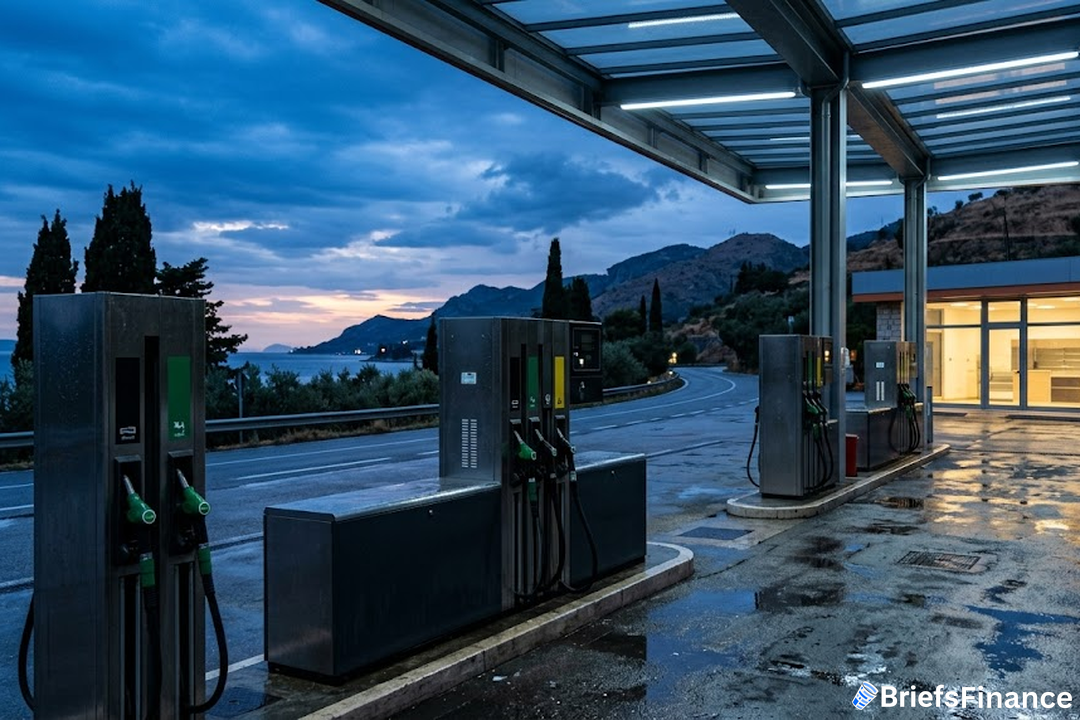
Why Italy Stepped In
Energy prices have been climbing. Tensions in the Middle East have escalated, leading to disruptions in Red Sea shipping routes and stoking fears about global energy availability. Diesel costs reached a 2024 peak, with the national average for self-service hitting €2.185 per liter on Monday, Italy's Industry Ministry reported.
The Red Sea disruption has particularly affected Europe's energy imports, as many oil tankers reroute around the Cape of Good Hope, increasing delivery times and costs. Italy, which relies heavily on diesel for transportation and agriculture, has seen pump prices surge, prompting the government to intervene.
Get the market news that matters in a five-minute read with Market Briefs, our free daily newsletter
The Red Sea is a critical chokepoint for global oil shipments, with roughly 12% of all seaborne-traded oil passing through the Suez Canal. Since the escalation of the Middle East conflict, attacks on commercial vessels have forced many tankers to take the longer route around Africa's Cape of Good Hope, adding up to two weeks of transit time and significantly raising freight costs. For Italy, which imports almost all of its crude oil, these disruptions have directly pushed up diesel prices at the pump, squeezing households and businesses that depend on road transport. The agriculture sector has also been hit hard, as diesel is the primary fuel for tractors and irrigation pumps.
Finance Minister Giancarlo Giorgetti revealed following a Monday cabinet session a short-term reduction in diesel taxes lasting until August 6. The tax cut comes as Italy's economy faces headwinds from high energy costs, which have contributed to inflation and squeezed household budgets. The agriculture and transportation sectors, heavily dependent on diesel, have been particularly vocal in calling for government relief.
Moreover, the ongoing Middle East conflict shows no signs of de-escalating, meaning supply-chain disruptions may persist and keep downward pressure on global fuel inventories. Italy's move mirrors similar actions by other European nations that have temporarily reduced fuel taxes to cushion the blow for consumers.
Broader Implications
Other European nations have similarly reduced fuel taxes in response to rising energy costs, creating a pattern of temporary relief measures across the continent. However, such cuts reduce government revenue and can pressure national budgets. Italy's request to activate the EU's escape clause reflects its desire to manage these trade-offs while addressing immediate consumer and business concerns. The August 4 review will determine whether the tax cut is extended or adjusted based on fuel price trends and geopolitical developments.
How the Tax Cut Works and What Comes Next
Additionally, Giorgetti stated that the government plans to request parliamentary approval next week to pursue the activation of the EU's national escape clause, which allows for more flexible fiscal rules. He added that any such extra budget capacity ought to be deployed "very intelligently and in a targeted way." According to a report, Italy may ask parliament to approve broader budget deficits to cover energy security and defense costs, and Giorgetti's comments came in that context.
Join Market Briefs, our free daily newsletter, for a quick daily rundown of the markets