What Bernstein reported
A Bernstein team that includes analyst Pranav Gundlapalle projects that India's freshly introduced fee tied to the Unified Payments Interface could add up to 270 billion rupees a year by fiscal 2028, which the firm pegs at $2.8 billion. Banks are positioned to collect the largest slice of the windfall.
How the fee is structured
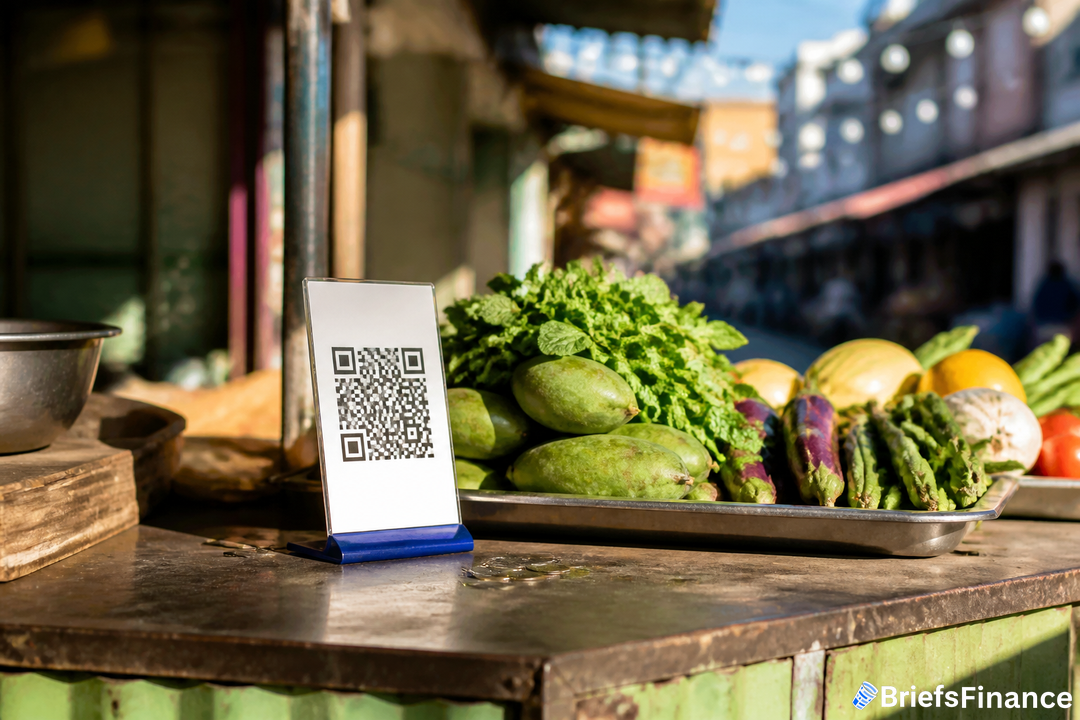
This is a Merchant Discount Rate - a charge that merchants pay to banks and other processors to handle transactions - and it will apply to payments carried over UPI. Starting Oct. 15, businesses face a rate of up to 0.4% on UPI payments above 2,000 rupees, with the total charge limited to 300 rupees for any payment of 75,000 rupees or higher. Bernstein indicates that, measured by value, the majority of merchant transactions on UPI would be subject to the levy.
The numbers behind the claim
Bernstein estimates the new MDR could add nearly 200 billion rupees in profits across the ecosystem, lifting banking-system profits by about 3%. Of that, banks would keep about 60% - roughly 120 billion rupees. On the issuing side, the firm sees an 80 billion rupee pool, with State Bank of India potentially taking around 25% thanks to its large base of savings accounts.
UPI data help explain why this matters. In August, transactions above 2,000 rupees made up just 4% of total volume, but they represented 67% of money paid to merchants, according to the National Payments Corporation of India. Or, as Bernstein puts it: "Put differently, the industry could be earning an additional Kotak Mahindra Bank Ltd. worth of profits every year and a profit pool that is likely to grow at about 20% for next several years." For reference, India's fiscal year spans April to March.
When payment systems change, steady investors revisit strategies to protect and grow wealth. Join Briefs Finance CEO Jaspreet Singh on September 29th for a FREE live investor workshop, How to Profit From A Dollar That's Losing its Value, where he shows how we're spotting investment opportunities as the dollar falls. Save your spot.
Who else could benefit and why it matters for your portfolio
Axis Bank Ltd. and Yes Bank Ltd. also pop on Bernstein's radar because their roles in processing UPI payments are much larger than their traditional banking market shares. Actual earnings will hinge on each player's mix of merchant versus person-to-person flows and on how fees ultimately get split with big payment platforms.
Small policy tweaks can ripple through wallets, so keep your financial plan clear and flexible. Our CEO Jaspreet Singh is hosting a FREE live investor workshop, How to Profit From A Dollar That's Losing its Value, on September 29th. Sign up free to join him live.