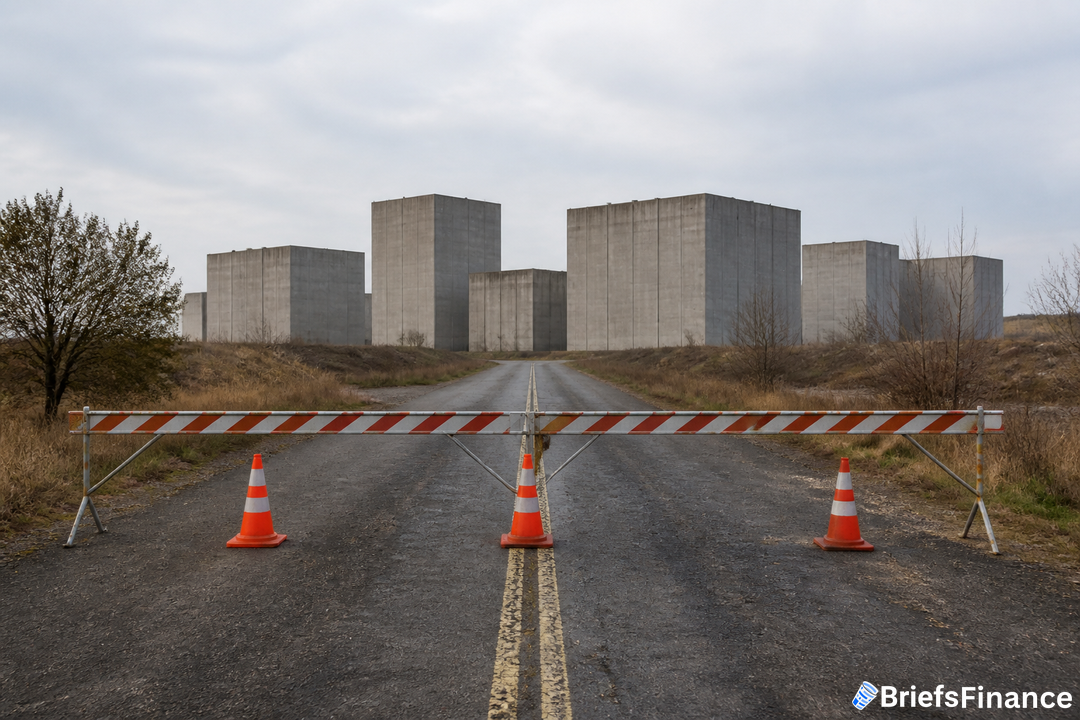
What happened on the Senate floor
With just weeks to go before November, Senate Republicans tried to speed the Ratepayer Protection Act to passage. Sponsor Sen. John Husted, R-Ohio, asked to approve it without a roll call, but Sen. Martin Heinrich, the top Democrat on the Energy and Natural Resources Committee, objected on Thursday. With the Senate set to depart in two weeks, that objection likely kills the bill before the election. Husted, who introduced the measure in July, said he would keep working to get it across the finish line.
What the bill would do and why critics balked
The proposal creates a model regulatory plan that states could choose to adopt. In states that opt in, AI data centers with demand of 100 megawatts or more would be aimed to cover the costs of new power plants, transmission lines and related infrastructure, rather than shifting those expenses to residents.
Heinrich and several progressive Democrats and environmental groups said that approach lacks teeth. On Thursday, Heinrich said on the Senate floor, "It's not enough to tell states to consider making data centers pay for grid updates." "Rather than voluntary pledges or suggestions to states, Congress needs to pass real legislation with real teeth." Putting it bluntly, Mitch Jones, who oversees policy and litigation for Food & Water Watch, said, "If Congress truly intends to take the AI data center crisis seriously, it must reject this pointless legislation that merely suggests states should act."
Good financial habits help preserve your savings and position you for future growth. Join Briefs Finance CEO Jaspreet Singh on September 29th for a FREE live investor workshop, How to Profit From A Dollar That's Losing its Value, where he shows how we're spotting investment opportunities as the dollar falls. Save your spot.
The fight comes as AI data centers, which store and process information powering the AI boom, have become a flashpoint nationwide. The House's lopsided 417-3 vote shows broad interest in tackling rate impacts, even as a small group of progressives opposed this specific approach.
The counteroffer and the politics
Heinrich pitched his own plan, the GRID Savings Act of 2026. The measure would grant the Federal Energy Regulatory Commission the authority to craft rules for facilities using 150 megawatts or more, and it would obligate those data centers to cover any costs associated with the extra load they impose on the grid.
Data centers are also a live issue on the campaign trail. Facing a difficult reelection, Husted has drawn fire from Democrat former Sen. Sherrod Brown, who alleges he helped attract data centers to the state while serving as lieutenant governor. According to The Cook Political Report with Amy Walter, the race is rated a toss up.
What this means for your money
A national standard is unlikely before November, so watch your state capitol. The core question is simple: who pays for the new wires, plants and substations needed when a huge data center arrives, you or the company using the power? This fight is about shifting those bills away from households and toward the facilities driving the demand.
Thinking long term can calm near term noise and strengthen your financial foundation. Our CEO Jaspreet Singh is hosting a FREE live investor workshop, How to Profit From A Dollar That's Losing its Value, on September 29th. Sign up free to join him live.