Free NewsletterPro Login
S&P 500 6,287 +0.42%
DOW 44,521 -0.18%
NASDAQ 21,103 +0.71%
S&P 500 +12.4%
Briefs Finance Fund +24.8%
JOIN THE FUND →

Extreme Heat Drives 243% Surge in New England Power Prices, Threatens Holiday Trips

Published Jul 3, 2026
[tts_player]
Share:
Summary:
  • New England wholesale electricity prices surged 243% on Thursday as the heat wave drove up demand for air conditioning.
  • PJM, the nation's largest power grid operator, issued a federal alert asking tens of millions of customers to reduce electricity use.
  • Amtrak warned of train delays from 11 a.m. to 7 p.m. through July 4, and Delta Airlines waived change fees for certain flights through New York's LaGuardia Airport.

The July 4, 2026 holiday weekend is supposed to be a time for barbecues, beach trips, and fireworks displays. Instead, a dangerous and prolonged period of extreme heat is blanketing the central and eastern United States, with temperatures expected to hit 105 degrees Fahrenheit in some areas, according to the National Weather Service. That heat is pushing the power grid to its breaking point and threatening travel plans for millions of Americans. The heat wave is expected to last through the weekend, putting further pressure on already strained systems and possibly setting new temperature records across multiple states.

Power Grid Under Pressure

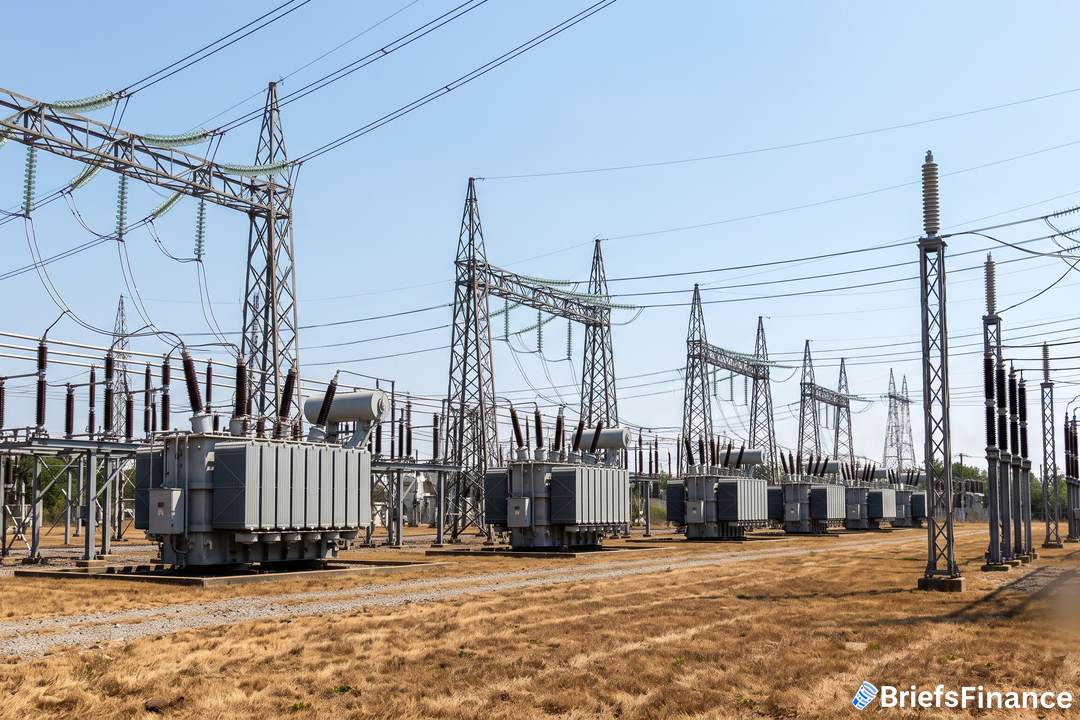
Wholesale spot electricity prices - the cost of power bought and sold on the open market - spiked dramatically on Thursday. According to figures released by the U.S. Energy Information Administration, New York City's prices climbed 101%; the Midwest saw a nearly 55% rise; and the Mid-Atlantic increased by 45.6%. These spikes came as the heat wave pushed up demand for air conditioning.

On Friday afternoon, PJM - the nation's largest power grid - announced that federal authorities had directed it to urge reduced power usage across its vast service area. The grid supplies electricity to millions of residents in the Mid-Atlantic region, Southern states, and Washington, D.C. During a press conference, Mayor Zohran Mamdani of New York City urged residents to help ease the burden on the grid, advising them to set air conditioners to 78°F, turn off unused electronics, and, as he said, "wait until early morning or late at night to run appliances." Mamdani also advised New Yorkers to remain indoors to escape the extreme heat and fielded a query about the much-publicized Taylor Swift and Travis Kelce wedding at Madison Square Garden. "My recommendation to all New Yorkers is to stay inside and stay cool, and if you happen to be getting married at Madison Square Garden, you will be staying inside and you will be staying cool, and I think it is a good example to set to the city at large," Mamdani told reporters.

After temperatures surpassed 100°F in Philadelphia, officials called off a parade planned for Friday that was to mark the nation's 250th birthday.

Get your free investing masterclass bonus when you join Market Briefs, our free daily newsletter

Travel Disruptions Mount

The heat is also disrupting travel plans. Earlier this week, Amtrak warned that due to the predicted heat wave in the Northeast, Southeast, and Midwest, trains might have to run slower and face delays from 11 a.m. to 7 p.m. through July 4. Similarly, New Jersey Transit anticipated delays and cancellations for trains heading into New York due to heat-related equipment issues.

Earlier in the week, because of the heat, Delta Airlines announced it would waive change fees for travelers flying via New York's LaGuardia Airport this week.

Drivers were cautioned by the Illinois Department of Transportation to be alert for road damage, as pavement might buckle under the extreme heat. The National Weather Service cautioned that the heat could heighten the danger of heat-related sickness, especially for at-risk groups and people lacking proper cooling.

With temperatures expected to persist, some daily, monthly, or all-time records may be set, meaning more disruptions for the holiday weekend.

What to Watch

Scientists attribute the increasing frequency of such heat waves to climate change, primarily caused by burning fossil fuels like coal, oil, and natural gas, and this one is expected to persist through the holiday weekend. Travelers should expect more disruptions, including rail delays and cancellations, and investors should watch for potential further price spikes.

Heat waves of this magnitude have become more common in recent years, with the U.S. experiencing multiple record-breaking events in 2024 and 2025. The strain on aging power infrastructure during extreme weather events is a growing concern for grid operators, who must balance reliability with the rapid transition to renewable energy sources.

Subscribe to Market Briefs, our free daily newsletter, and claim your bonus investing masterclass

Disclosure

Recent News

1 2 3 32

Get Market Briefs delivered to your inbox every morning for free!

No fluff. No noise. No politics. Just finance news you can read in 5 minutes.

Blogs

June 29, 2026
Portfolio Diversification: Why Putting All Your Eggs in One Basket Destroys Wealth
  • Real diversification means spreading investments across all 11 economic sectors plus bonds, alternatives, and cash so no single bet can sink the portfolio.
  • Different sectors perform at different times, so a diversified portfolio captures upswings while smoothing the brutal drawdowns that wipe out concentrated bets.
  • Total market index funds offer the simplest path to diversification, and annual rebalancing is what keeps the structure working over time.
Read More
June 29, 2026
Non Taxable Income: What It Is and Why It Matters
  • Non taxable income is money you receive that you don't owe income tax on.
  • The tax code treats workers, investors, and business owners very differently, and investors often come out ahead.
  • Learning how income is taxed is a quiet superpower for keeping more of what you earn.
Read More
June 29, 2026
Semiconductor Stocks: A Simple Guide for Investors
  • Semiconductor stocks are companies that design and make computer chips, the brains inside nearly every modern device.
  • The AI boom has turned chips into one of the market's most important and most watched groups.
  • They offer big growth potential, but come with high valuations and a notoriously cyclical history.
Read More
June 25, 2026
How Stocks Work: A Simple Guide for Beginners
  • A stock is a slice of ownership in a company - buy one, and you own a piece of the business.
  • You make money two ways: the share price rising over time, and dividends paid to shareholders.
  • The simplest path for most beginners is buying into the whole market through a low-cost index fund.
Read More
June 25, 2026
Stop Loss vs Stop Limit: What's the Difference?
  • A stop loss order sells your stock once it hits a trigger price, prioritizing getting you out.
  • A stop limit order only sells within a price range you set, prioritizing price over a guaranteed exit.
  • The trade-off: a stop loss almost always executes; a stop limit might not if the price moves too fast.
Read More
June 25, 2026
Energy Stocks: A Simple Guide for Investors
  • Energy stocks are companies that produce and supply the power the world runs on, from oil and gas to newer sources.
  • They make up one of the 11 sectors of the market and tend to move with energy prices and big-picture shifts.
  • Like any sector, the key is diversification and understanding the forces driving demand.
Read More
June 18, 2026
What Is a Stop Loss Order? A Simple Guide
  • A stop loss order automatically sells a stock once it falls to a price you set.
  • It's a tool to cap losses or lock in gains without watching the market all day.
  • It works best for active strategies, and can backfire if used carelessly on long-term holdings.
Read More
June 18, 2026
Best S&P 500 Index Fund: How to Choose One
  • The best S&P 500 index fund for most investors is simply the cheapest, most established one that tracks the index well.
  • Funds like VOO, IVV, and SPY all hold the same 500 companies, so the biggest difference is the fee.
  • Pick one, automate your buys, and let time do the heavy lifting.
Read More
June 17, 2026
What Are Penny Stocks? Risks and Rewards Explained
  • Penny stocks are very low-priced shares of very small companies, often trading for just a few dollars or less.
  • They promise huge gains but carry huge risks: low liquidity, high failure rates, and wild price swings.
  • Most investors are better served by quality companies and funds than by chasing cheap shares.
Read More
June 17, 2026
Best Stocks for Beginners With Little Money
  • The best stocks for beginners with little money usually aren't individual stocks at all - they're low-cost index funds.
  • You can start with $100 or less and use small, regular investments to build wealth over time.
  • Focus on diversification and consistency, not on picking the next big winner.
Read More
1 2 3 24
Share via
Copy link










