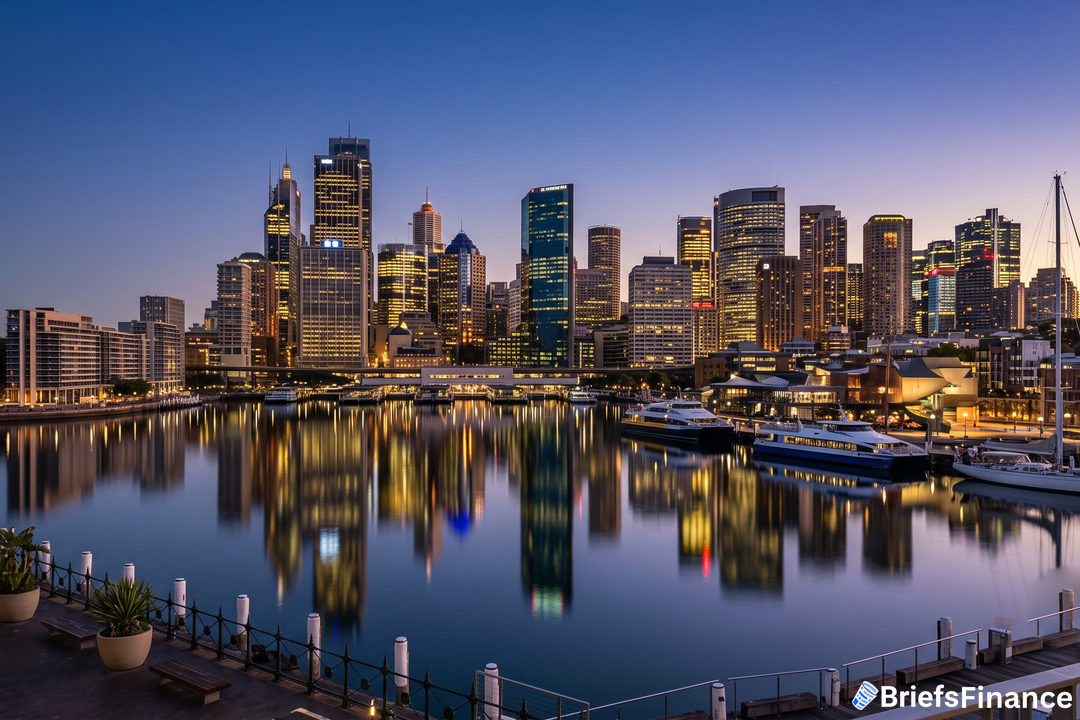
ASX Ltd. runs Australia's main stock exchange. Now a new leader from outside the company must fix the damage.
A Broken System
ASX settled a legal fight with Australia's securities regulator in June. The company admitted it made misleading statements about progress on its CHESS settlement technology upgrade. A joint inquiry by ASIC and the Reserve Bank of Australia found that ASX's governance and risk-management failures could seriously harm the nation's financial markets.
Tony Mackay, who previously led Chi-X Europe and is a seasoned exchange operator, said directly: "A decade without competitive pressure is how an organization loses the muscle to make its own technology decisions. "Rebuilding that capability is far harder than replacing any system"."
Given ASX's critical role in Australia's financial infrastructure, the stakes are high. The company's governance failures, as highlighted by the joint ASIC-RBA inquiry, threaten not just shareholder value but the stability of national markets. Restoring confidence in both technology and leadership will be Attia's primary challenge, and his outsider perspective may be crucial in driving cultural change.
Get your free investing masterclass bonus when you join Market Briefs, our free daily newsletter
The Outsider's Advantage
Anthony Attia spent 12 years at European exchange operator Euronext NV and also worked at Intercontinental Exchange Inc. He is giving up A$6.3 million ($4.3 million) in bonuses from his old job as part of his compensation package. Additional payments in his new package pay out only if he meets performance targets at ASX.
His outsider status may help. Morningstar analyst Roy Van Keulen said, "His job is easier than that of his predecessor because he is an outsider, so that gets him the outsider's advantage." But others warn that Australia is different. Amit Singh of Mandala Partners noted, "The ASX has different functions and operates within a very different regulatory structure to what we see in Europe."
The previous CEO, Helen Lofthouse, left in May. That same month, ASX's stock hit its lowest point in almost a decade after the company raised cost guidance and analysts downgraded their ratings.
Cost Pressure and Investor Patience
Investors are unhappy about rising technology spending. ASX lowered its dividend payout ratio - the share of profits paid to shareholders - in December to a range of 75% to 85% from a previous 80% to 90%. A lower payout ratio means less cash returned to owners.
Rachel Waterhouse, CEO of the Australian Shareholders Association, said shareholders understand that critical market infrastructure needs investment. But she added they "will also want "evidence that the additional spending is translating into a more resilient, reliable and competitive market operator while protecting long-term shareholder value"."
FinClear CEO David Ferrall warned that ASX is replacing CHESS with a fairly traditional technology stack, while most global exchanges are moving to newer technologies.
Portfolio manager Jun Bei Liu of Ten Cap, which manages about A$1.65 billion, sees more trouble ahead. "There is more cost pressure to come, so the risk-reward remains unattractive," she said. "ASX should be one of the cleanest monopoly-style businesses in the market, but instead investors are dealing with rising costs, regulatory remediation, CHESS execution risk and poor returns on technology spend."
Subscribe to Market Briefs, our free daily newsletter, and claim your bonus investing masterclass