Background of the Escalation
Earlier this year, peace talks collapsed, triggering the current hostilities. President Trump subsequently notified Congress of his decision to resume military operations, a move that caught some lawmakers off guard. The timing - just months before U.S. midterm elections - adds a political dimension to the debate.
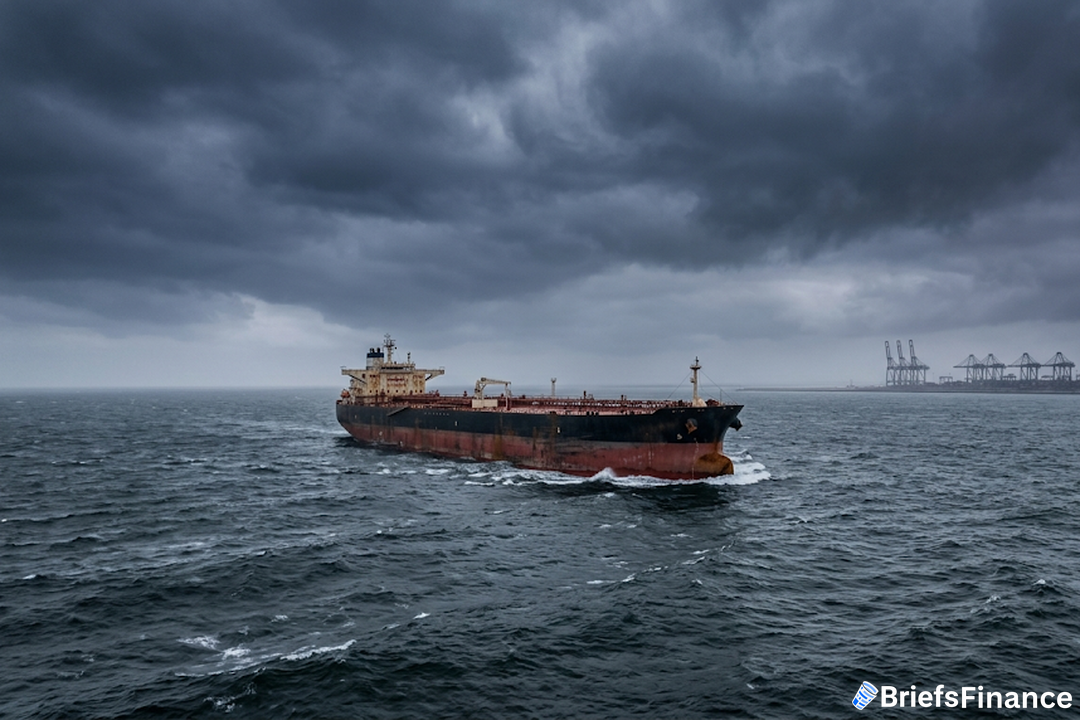
Meanwhile, oil markets reacted swiftly, with Brent crude crossing $100 a barrel, reflecting fears of supply disruptions from the region. The spike in energy costs has become a central issue for voters, with gasoline prices near record highs heading into the election season. Analysts note that any prolonged conflict in Iran could further strain global oil supplies, particularly through the Strait of Hormuz, a critical chokepoint for crude shipments.
With midterm elections approaching, voters are increasingly concerned about the cost of living, and the Iran conflict threatens to drive prices even higher. Some lawmakers have pointed to the administration's energy policy as a contributing factor, while others blame global market dynamics. The combination of war and rising fuel costs creates a volatile backdrop for the upcoming elections.
Market and Geopolitical Risks
The Strait of Hormuz is a narrow waterway through which roughly one-fifth of the world's oil passes. Any disruption there could send prices climbing further, intensifying the economic strain on American households. The collapse of diplomatic talks and the subsequent resumption of military operations have heightened uncertainty, and with midterm elections looming, the political stakes are as high as the fuel costs.
Get the market news that matters in a five-minute read with Market Briefs, our free daily newsletter
The Votes and the Oil Spike
U.S. crude touched $91.
Those numbers were the backdrop.
What the Resolutions Actually Do
There is a big difference between the two bills, and it matters for what happens next.
Senators voted 47 to 49 against a joint resolution introduced by Maryland Democrat Chris Van Hollen. The House version will not go to the president's desk. It stops at Congress's doorstep.
Van Hollen made his case plainly. "There is no good way out of a bad war," he said. "This is an opportunity for this Congress to finally take responsibility."
Sen. Susan Collins, a Maine Republican, was the only Republican to cross party lines and vote for the Senate resolution. On the other side, Sen. John Fetterman, a Pennsylvania Democrat, was the only Democrat to vote against it.
According to Sen. John Kennedy, a Louisiana Republican who opposed the resolution, an immediate withdrawal would harm the nation's credibility. "If we vote now and Republicans voted to cut and run and force the president in the middle of this to withdraw, it would be a huge blow to American credibility," he said.
The bottom line: Even if Congress somehow got a binding resolution through both chambers, President Trump would almost certainly veto it. So the practical effect of all this maneuvering is limited.
Join Market Briefs, our free daily newsletter, for a quick daily rundown of the markets