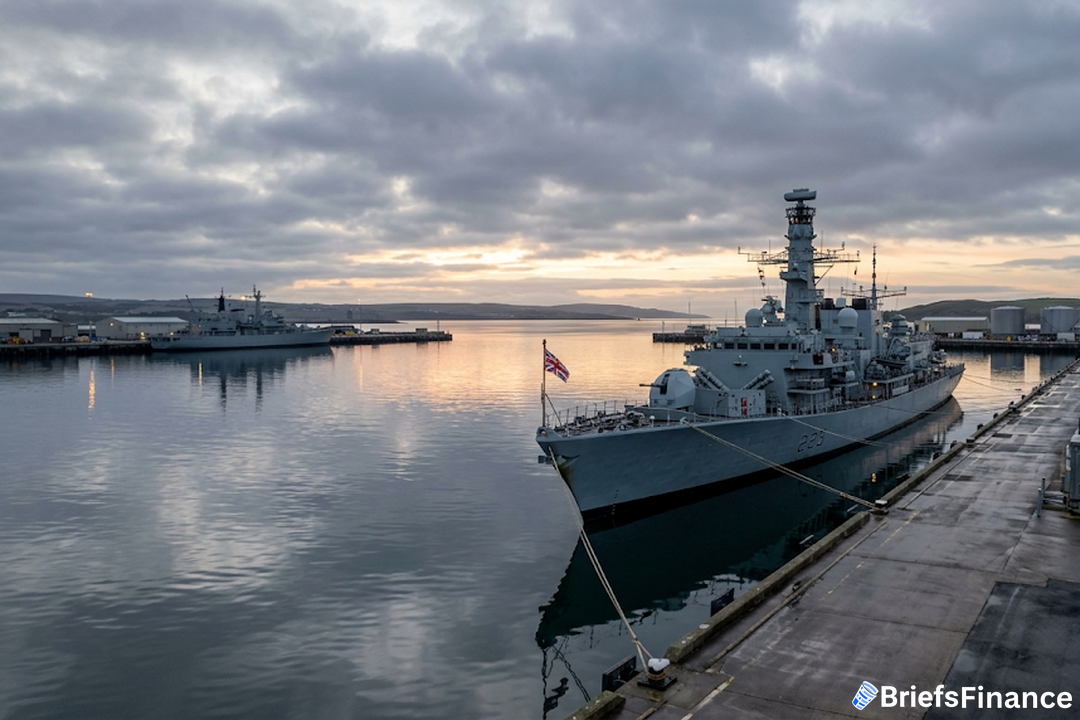
The push for higher defence spending comes against a backdrop of increased geopolitical tensions, particularly from the war in Ukraine and concerns over Russian aggression. NATO allies have been urged to raise their military budgets, with the alliance's secretary general advocating for a 3% target. The UK, already above NATO's 2% guideline, faces pressure to align with this emerging consensus. Prime Minister Burnham's government has signalled its commitment to strengthening the armed forces, making the appointment of a defence-focused chancellor a key strategic move.
A New Tone at the Treasury
Responding to a question about meeting the 3% GDP threshold for defense by 2030, Streeting said, "I certainly feel like we've got a firm friend in his majesty's Treasury." The commitment from the Prime Minister, he said, "is clear and will be even more clear in the coming months."
Now Healey is Chancellor of the Exchequer. According to an official readout, Prime Minister Burnham informed NATO's Mark Rutte that appointing Healey demonstrated his commitment to defense.
What the Numbers Actually Say
The UK currently spends about 2.4% of its economic output on defense. It has already budgeted to hit 2.68% by 2030.
Get the market news that matters in a five-minute read with Market Briefs, our free daily newsletter
In his resignation letter, Healey expressed his wish that the upcoming spending review would fully fund the defence plan.
Top defence advisors had previously recommended that Burnham explore the option of war bonds. However, a British government official dismissed that possibility on Tuesday. Healey recently urged the Treasury to explore other financing options.
Political and Fiscal Context
Healey's return to the cabinet follows a period of internal government friction over military funding. As defence secretary, he resigned after failing to secure additional resources for his department. Now, as chancellor, he must reconcile his previous demands with the Treasury's fiscal constraints while also facing pressure from NATO allies to increase spending. The international security environment - marked by Russia's war in Ukraine and rising global instability - adds urgency to the push for higher defence budgets, making his appointment a critical test of the government's priorities.
The ongoing debate reflects broader tensions within the government over fiscal discipline versus defence commitments. Now, as chancellor, he must reconcile his previous demands with the Treasury's constraints. The NATO secretary general's discussion with Burnham underscores the international dimension.
Streeting emphasized that the Ministry of Defence must prove that any funding it obtains is used appropriately and effectively, "to show that we understand the sacrifices that involves from other Government departments, in terms of opportunity costs of other things we might fund." He added, "But also to taxpayers, whether individuals or businesses that are feeling hard-pressed, we don't take the contribution they make lightly and we don't make this ask of the country lightly either."
Streeting made these comments while meeting with defence counterparts from Italy, Japan, and Canada; the latter announced it would join their collaborative fighter jet initiative as an observer.
Join Market Briefs, our free daily newsletter, for a quick daily rundown of the markets