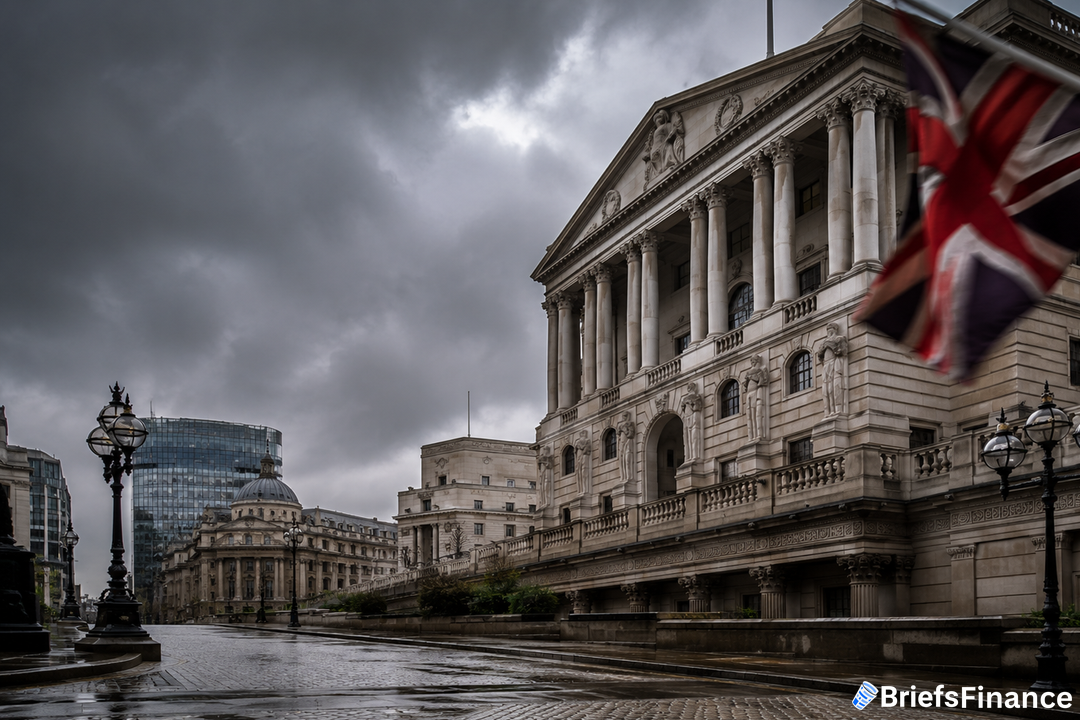
Burnham's Flexibility Comments Spook Bond Market
That one line was enough to make investors nervous.
The immediate reaction was swift. UK government bonds, known as gilts, sold off.
The 10-year yield rose nine basis points to 5.02 percent. The pound fell 0.3 percent against the US dollar.
Why did markets care so much? Burnham's comment hinted that the government might borrow more than investors expected. That would add to a debt load already near 100 percent of the country's gross domestic product. Among the Group-of-10 wealthy countries, Britain faces the most expensive debt servicing.
High Debt Load Makes Markets Nervous
Public debt at roughly 100 percent of GDP is a heavy weight. Even a hint of looser rules, within the existing framework, can trigger a sell-off. Britain's debt servicing costs are the highest among the Group of 10 wealthy countries, meaning any increase in yields can quickly strain the public finances. A sustained rise in borrowing costs would eat into the government's budget, limiting its ability to spend on public services or cut taxes.
Get the market news that matters in a five-minute read with Market Briefs, our free daily newsletter
"He is playing a dangerous game," warned Matthew Parkinson, a senior portfolio manager at Waverton Investment Management.
The nervousness is not just about Burnham. Markets have been watching who might be in charge of the country's finances. Shabana Mahmood, the Home Secretary expected to become Chancellor of the Exchequer, is viewed as a fiscally conservative pick. But that hasn't calmed bond traders.
Matthew Amis, who oversees investments at Aberdeen, put it succinctly: "It shows how on edge the gilt market is."
Rate Hike Bets Rise as Oil Adds Pressure
Swaps markets put a 70 percent probability on a second quarter-point increase.
Adding to the inflation worry: Brent crude oil futures have risen above $90 a barrel after renewed clashes between the US and Iran. Higher oil prices push up costs across the economy, making it harder for central banks to cut rates.
Emma Moriarty, a CG Asset Management portfolio manager, expressed the market's skepticism: "Meeting the rules technically but not in spirit isn't going to fool the bond market."
Background on Fiscal Rules
The nation's fiscal framework, created in 2019, requires that its debt-to-GDP ratio be falling by the end of a five-year forecast period. Any perceived weakening of that commitment can trigger selloffs, as seen during the 2022 mini-budget crisis under predecessor Liz Truss. Investors now watch every word from officials for signs of loosening.
The episode echoes the turmoil of September 2022, when then-Prime Minister Liz Truss's unfunded tax cuts sent gilt yields soaring and forced the Bank of England to intervene. That crisis underscored the fragility of investor confidence in UK fiscal credibility, a lesson that market participants say remains fresh. Any perceived deviation from strict fiscal discipline now risks a repeat of those chaotic days, traders warn.
Join Market Briefs, our free daily newsletter, for a quick daily rundown of the markets