What the images showed
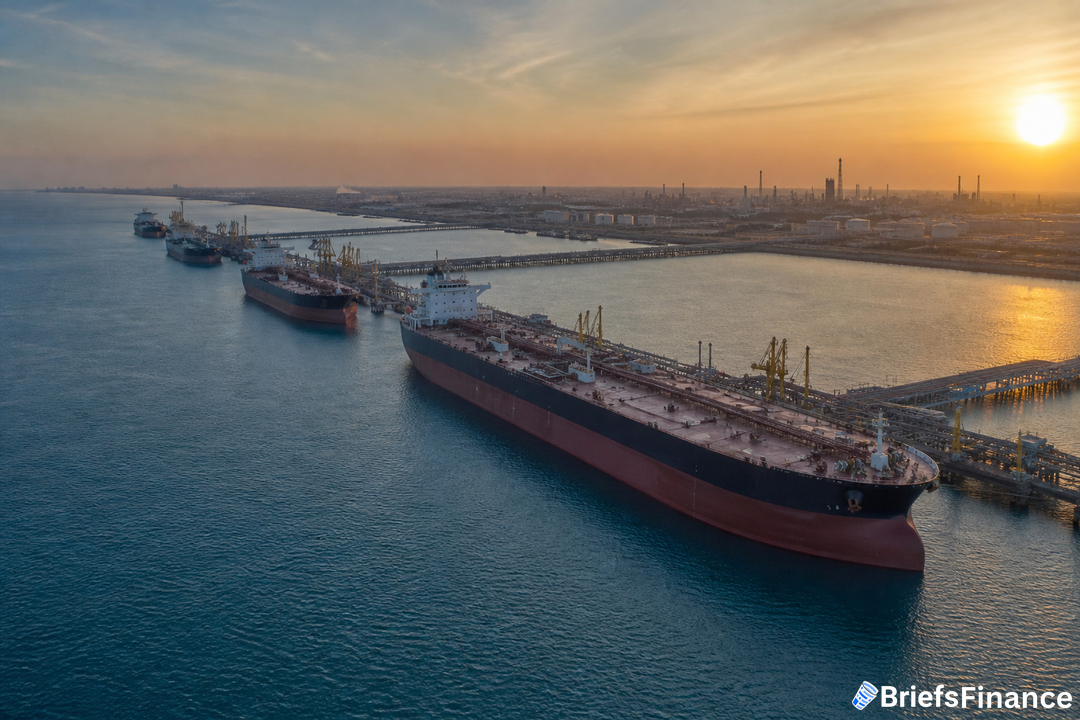
A Wednesday pass by the European Union's Sentinel-2 satellite captured nine VLCCs tied up at Saudi terminals along the Persian Gulf. Together, those ships can haul about 18 million barrels, though they might not all depart at once, so that volume could be staggered.
By contrast, imagery from Sunday showed just two tankers alongside and a third moving off the moorings. Having nine VLCCs there at the same time marks the busiest snapshot at Saudi facilities on the Gulf since the latest regional hostilities began at the end of February.
The longer record
Satellite coverage comes in bursts that depend on an orbiter's path, and clouds can cut visibility further. Reviewing 96 Sentinel-1 and Sentinel-2 passes from since mid-June shows roughly two berths working on an average day, and in nearly one-third of the shots no berths were active.
On the country's western coast, a Wednesday Sentinel-1 image showed four tankers moored at Red Sea terminals - two VLCCs and two smaller vessels, most likely Aframax-sized - across seven available berths.
Market signals can be subtle, and informed tools help investors see them. We're hosting our first ever investor livestream on 11/17 to show you how to use ChatGPT and Claude to invest like a pro, hosted by Briefs Finance CEO Jaspreet Singh. Save your seat.
Why investors should care
Traders are tracking Middle East loadings for signs that Persian Gulf exports are at, or close to, pre-war levels. A single busy day does not guarantee a sustained upswing, but it adds to the recent pattern of more Gulf-side activity since early September. Saudi Arabia's oil ministry and its state producer did not provide an immediate reply to requests for comment sent outside normal business hours.
Smart investors combine curiosity with better data to sharpen their decision making. On 11/17, our CEO Jaspreet Singh goes live for our first ever investor livestream on how to use ChatGPT and Claude to invest like a pro. Register to join him.