Biggest Mac Refresh in Years
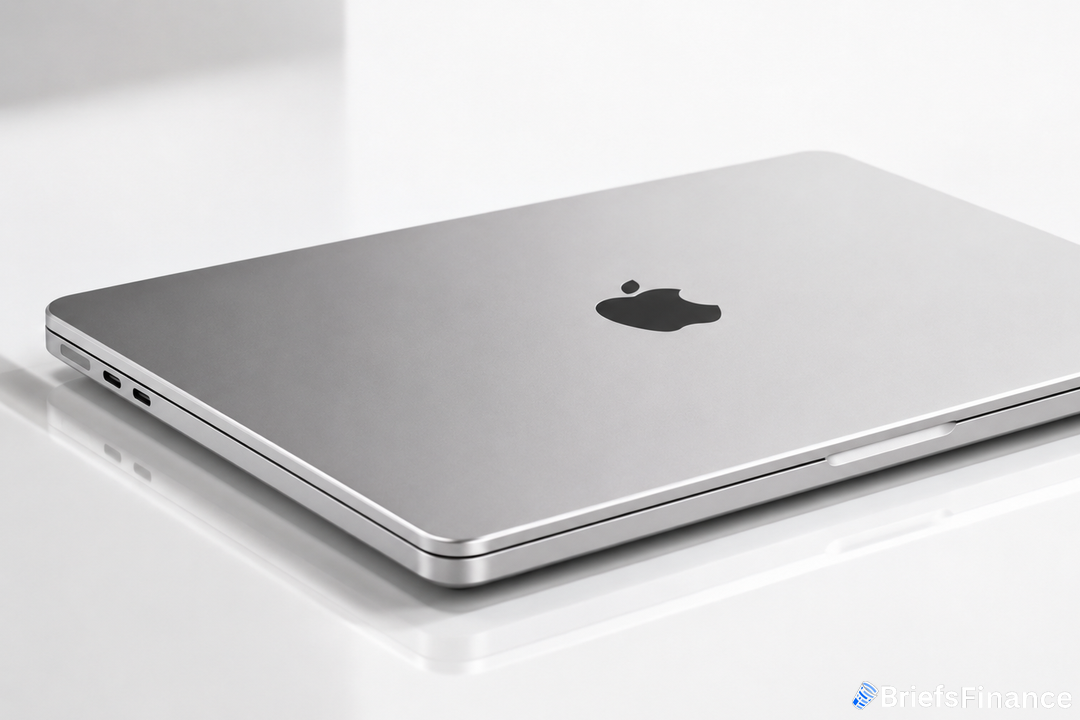
Apple is gearing up to introduce new iterations of each Mac it markets, encompassing both desktops and laptops, starting this autumn and continuing into next year. The tech giant is revamping its entire Mac lineup to take advantage of the rising demand for high‑performance machines driven by artificial intelligence.
The first wave will feature a refreshed lower‑tier 14‑inch MacBook Pro, which will be among the earliest models to adopt the M6 processor, along with the first iMac refresh in two years. These updated iMacs and the entry‑level MacBook Pro are finished but won't ship before the fall.
The most striking upcoming model is a premium 14‑inch and 16‑inch MacBook with an all‑new design, a touch screen, and OLED display technology - both industry firsts for Apple's laptop line. This series, internally designated K114 and K116, is set for release between late 2024 and early 2025. Apple is currently testing these machines with macOS 27.1, which is set to reach consumers at the end of October. These laptops will feature M5 Pro and M5 Max processors.
A refreshed MacBook Air family is planned for early next year, comprising 13‑inch and 15‑inch variants (codenamed J913 and J915). The new Air will look much like the current model, though Apple is working on an OLED version that could appear as early as 2028.
Get the market news that matters in a five-minute read with Market Briefs, our free daily newsletter
Apple is additionally preparing a basic 14‑inch MacBook Pro with a fresh design for next year. This model, code‑named K104, will resemble the high‑end 14‑inch and 16‑inch versions but will run on a standard M7 chip.
A new iteration of the MacBook Neo, Apple's low‑cost laptop, is also in the works. Internally, Apple has been testing a variant with an updated A19 Pro processor and increased memory. The Neo launched in March, and Apple intends to periodically refresh it with new color options.
Apple has plans for upgraded Mac mini and Mac Studio models as well. The Mac mini under testing uses M5 Pro and M6 chips, while the Mac Studio features M5 Max and M5 Ultra processors. However, the release timeline and specific chip and memory configurations depend on the availability of memory‑chip supplies.
Why Costs Are Rising and Delivery Times Are Extended
The Mac is experiencing a revival, with sales forecast to increase for a third consecutive year. The machines have attracted users who operate computationally intensive AI agents. Meanwhile, a memory‑chip shortage is straining production, prompting Apple to raise prices.
A top‑spec 16‑inch MacBook Pro with maximum memory and storage now costs $9,999.
Because of their processing power and monitor support, the Mac mini and Mac Studio are popular choices for AI workloads. Demand has so outstripped supply that new orders for certain Mac mini and Mac Studio models face delays of at least three months. In April, Apple CEO Tim Cook stated that he thinks it could take "several months" for these machines to achieve supply‑demand equilibrium. In February, Apple announced that it would, for the first time, manufacture the Mac mini in Houston, moving beyond Asian production sites.
According to a Tuesday report from Bloomberg, Apple will introduce a program to lease Mac devices starting July 28.
The combination of rising prices and supply constraints is forcing Apple to adjust its go-to-market strategy. By introducing a leasing program on July 28, the company aims to make its high-end Macs more accessible to businesses and professionals, particularly those deploying AI agents that require sustained computational performance. Meanwhile, the decision to manufacture the Mac mini in Houston signals a shift in Apple's supply chain risk management, moving some production away from Asia.
Join Market Briefs, our free daily newsletter, for a quick daily rundown of the markets