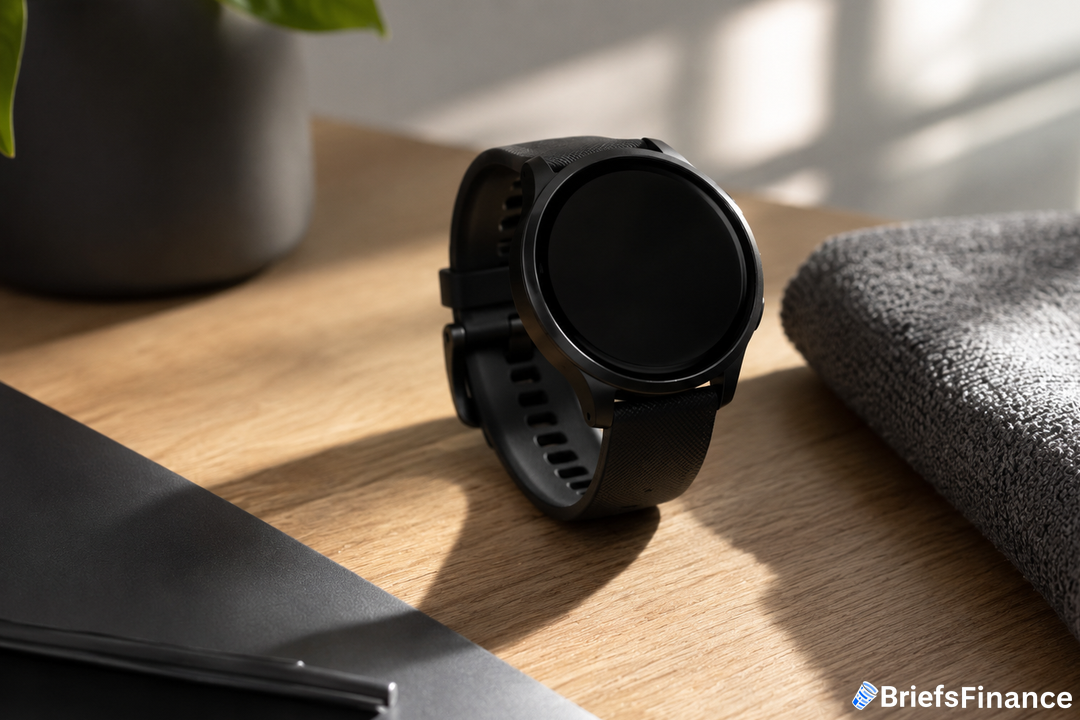
Meet the Screenless Band That Costs $200
Starting immediately, you can purchase the Cirqa Smart Band, which provides a combination of health and activity monitoring, similar to its rivals.
Users can manually initiate over 80 distinct workout modes. Additionally, the band senses exercise automatically.
This collected information feeds into a metric called "Body Battery." Multiple color options are available for the fabric strap.
Get the market news that matters in a five-minute read with Market Briefs, our free daily newsletter
A Garmin spokesperson said, "The screenless wearable segment has grown as users look for simple fitness trackers without the bells and whistles of smartwatches."
Business Model Comparison
Google's Fitbit Air relies on an optional paid tier to unlock extra features, while Garmin has opted for a straightforward one‑time purchase. This price‑point strategy could appeal to users who want comprehensive health tracking without ongoing commitments. Garmin is already the leading brand in GPS sports watches, and the Cirqa Smart Band expands its presence into the screenless category, where ease of use and battery longevity are major attractions.
Garmin is not the first company to try this. Whoop debuted its first tracker more than ten years ago, catering to a niche of elite and professional athletes. Since then, Whoop has expanded its appeal to everyday users and currently boasts a $10 billion valuation, with plans for a public offering in the near future.
However, unlike Whoop, which generates revenue through obligatory subscriptions rather than hardware sales, its rivals have been trying out lower‑cost gadgets without ongoing charges. The new Cirqa Smart Band from Garmin is subscription‑free. Google's Fitbit Air offers a paid subscription that unlocks extra capabilities.
The Screenless Wearable Trend
The demand for screenless fitness trackers has risen as users seek to minimize distractions and focus on core health metrics. Whoop, which launched its first device over a decade ago for elite athletes, has grown into a $10 billion company with plans for an IPO, proving the viability of this segment. Garmin's entry with a $200 no-subscription device undercuts Whoop's recurring fee model, potentially attracting budget-conscious athletes and everyday users who dislike ongoing costs. Meanwhile, Google's Fitbit Air at $100 offers a lower-cost alternative but with a paid subscription for advanced features, creating a three-way competition in the minimalist wearable space.
Garmin has long been a dominant player in the GPS watch segment, with devices like the Forerunner and Fenix series. The Cirqa band represents a strategic move into the minimalist wearable market, targeting users who prioritize battery life and core health metrics over smart features. This segment has seen growth as consumers seek to reduce screen time and focus on data-driven wellness. By offering a no-subscription device with a 10-day battery, Garmin positions itself directly against Whoop's recurring fee model while appealing to athletes and casual users alike.
Join Market Briefs, our free daily newsletter, for a quick daily rundown of the markets