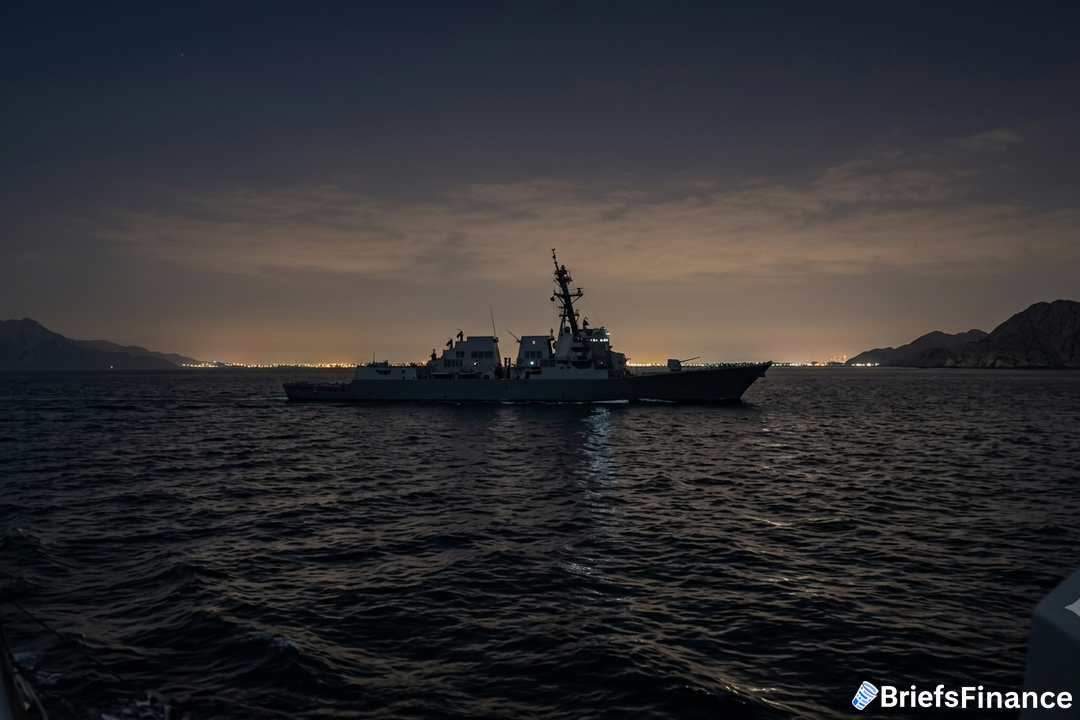
Strikes and Blockade Restart in Tight Sequence
The calm in the Middle East lasted about a month.
At 3:00 p.m. Eastern time on July 14, the U.S. military launched strikes inside Iran. The U.S. Central Command, known as CENTCOM, announced the operation on X, saying it was "degrading Iranian capabilities used to attack commercial shipping."
One hour later, at 4:00 p.m. Eastern, the naval blockade of Iranian ports near the Strait of Hormuz restarted.
That resume came after President Donald Trump declared the temporary ceasefire dead. The truce had been signed in June as a 14-point memorandum of understanding, but both sides said the other broke its promises. Multiple flare-ups followed, and Iran intensified its campaign to forcibly seize the strait.
Get the market news that matters in a five-minute read with Market Briefs, our free daily newsletter
The war itself started in late February 2026, with the U.S. and Israel fighting together against Iran. Since then, the strait has been the central worry for global markets.
Why the Strait of Hormuz Matters So Much
Before the war, 20% of the world's oil passed through the Strait of Hormuz.
"The Hormuz Strait is OPEN, and will remain OPEN, with or without Iran," Trump posted on Truth Social. In that same post, he declared that the blockade would restart.
Trump's post also stated that the U.S. would begin seeking reimbursement "at the rate of 20% on all cargo shipped" through the strait. The plan drew heavy skepticism from energy analysts and immediate pushback from shipping associations, most notably the UN's International Maritime Organization. Opponents quickly pulled up footage of Trump administration officials arguing that charging tolls in international waters would be unlawful.
Just 24 hours after unveiling the 20% fee, Trump backtracked. On Tuesday morning, he posted on Truth Social that he would "replace" the proposed toll with "Trade and Investment Deals that the various Gulf States will be making into the United States."
Later that day at the White House, Trump said he received calls from global leaders who told him, "we'd love to do it a different way." "I like that, actually, because I don't think anybody should be able to charge a fee for the strait," Trump said. "I don't think anybody should be really in that position, but we were doing it as a reimbursement."
Trump said he had spoken with Saudi Arabia, the UAE, Qatar, Bahrain, Kuwait, and other nations. So far this week, none of those countries have announced any new investment plans in the United States.
Join Market Briefs, our free daily newsletter, for a quick daily rundown of the markets