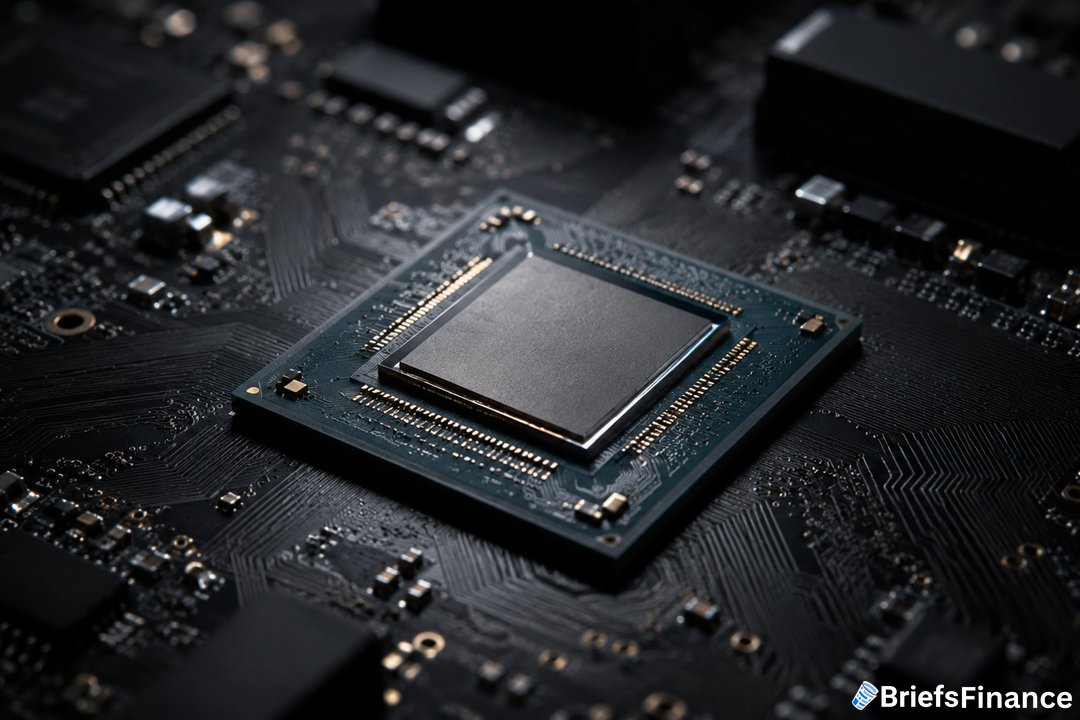
Amazon hardware chief Panos Panay said Amazon is focusing on building its own chips for critical devices. "We do make our own end-to-end silicon for the devices that we ship," Panay said in a recent interview. He explained that Amazon wants a tight connection between hardware and software. "If you really want that hardware and software connection… and if we're going to go deliver this ambient experience in the home for people in the most secure way, we definitely need to think about how that end-to-end delivery of hardware comes together," Panay said.
These chips are built to process AI tasks locally instead of sending data to the cloud. Panay noted that Amazon continues to rely on third-party suppliers such as Qualcomm as well.
What's Next for Amazon's AI Devices
Amazon is not stopping with smart speakers and streaming sticks. Panay said the company is working on portable devices that people can carry and talk to. He described a "whole roadmap of on-the-go devices" - wearable items that users can take along, gather information, and interact with vocally.
Get your free investing masterclass bonus when you join Market Briefs, our free daily newsletter
"So when you are back in the home or when you are at work, that connection stays consistent and contextual," Panay said. He added that "you won't have to wait long" for an Amazon product like this.
Panay also said: "When you think about the future of AI devices, you got to be super skeptical right now for anyone who tells you they know what they are. I have a lab full of devices."
This year, Amazon made its upgraded Alexa+ assistant available across the U.S. The enhanced digital helper can manage more sophisticated inquiries and jobs. Alexa+ faces off against rival AI assistants like ChatGPT from OpenAI and Google Gemini, both vying for consumer attention. Google leverages its widespread Android platform to attract users, while Samsung integrates many of its AI capabilities using Gemini models. In 2024, Amazon entered the wearables market by buying Bee, a firm offering $49.99 wristbands that can interpret speech, compile lists, answer queries, and write memos.
Panay hinted at a broader shift. "I think we might be moving away from a world of apps and screens," he said, and emphasized that "conversation and context" would increasingly drive AI assistant interactions.
What to Watch
Recently, Qualcomm's chief executive, Cristiano Amon, shared with "The Tech Download" that his company is developing 40 new AI-driven gadgets, as consumer electronics firms search for the next major innovation beyond smartphones.
Subscribe to Market Briefs, our free daily newsletter, and claim your bonus investing masterclass