The process of turning around Air India Ltd. could stretch a decade because the national carrier must revamp its aircraft, service standards, and more, according to the leader of India's top business group that controls the airline.
In the annual report of Tata Sons' parent company released Monday, Chairman Natarajan Chandrasekaran stated, "Given where it began, Air India's transformation must be seen as a five- to 10-year journey, considering the years-long supply-chain disruptions in key components, the need to overhaul legacy systems, culture and fleet, and the creation of a large cadre of technical and airline professionals." He added, "Every great airline in history was built over decades, not quarters."
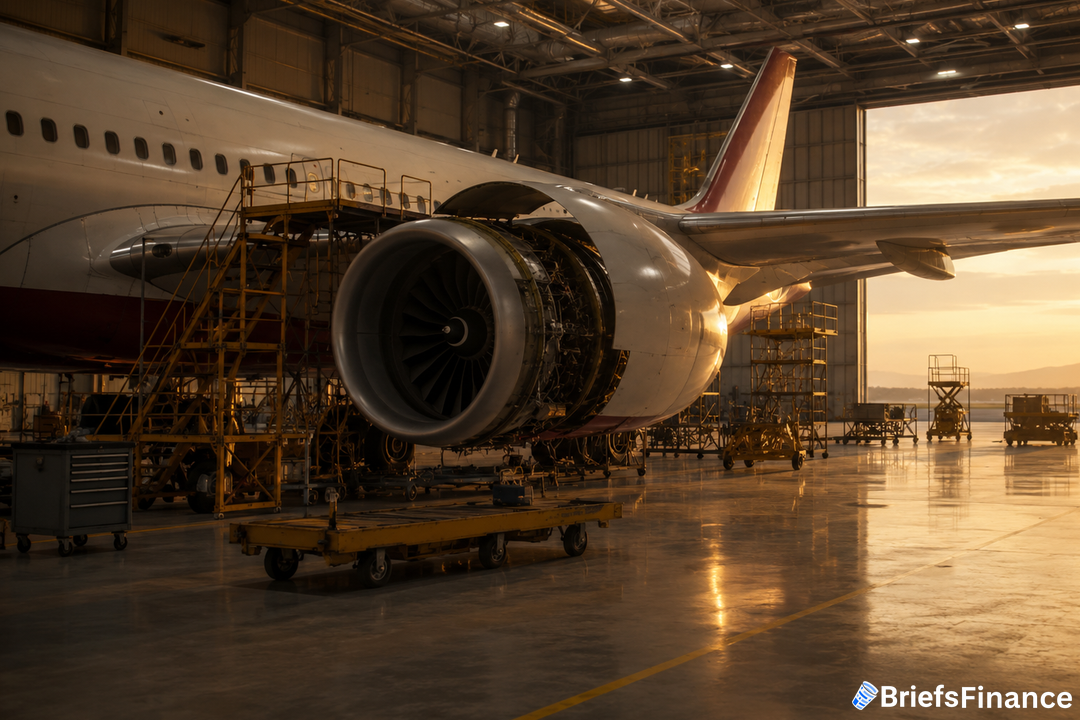
Chandrasekaran highlighted that the airline faces delays in receiving aircraft parts, needs to hire and train many skilled workers, and is burdened with a heavily indebted operation and an old fleet.
Get the market news that matters in a five-minute read with Market Briefs, our free daily newsletter
Background: The Tata Takeover
Tata Sons acquired Air India from the Indian government in January 2022, taking over an airline that had been a loss-making state-owned enterprise for years. The carrier came with an aging fleet of Boeing 777s and 787s, significant debt exceeding $8 billion at the time, and a reputation for poor service that had led to declining market share. Since the takeover, Tata has worked to revamp operations, including ordering new aircraft and improving in-flight services, but global supply-chain disruptions, geopolitical tensions, and a major accident have slowed progress.
The turnaround plan includes fleet renewal, improved customer service, and hiring thousands of skilled workers, but as Chandrasekaran noted, such comprehensive change requires years. The airline's debt, which exceeded $8 billion at the time of acquisition, and its reputation for poor service have been significant hurdles in the turnaround effort.
The Road Ahead
The chairman's remarks highlight the enormous challenge facing Tata following its 2022 acquisition of Air India from the government. This difficulty was amplified by airspace shutdowns, rising fuel costs due to the West Asia crisis, and a fatal Boeing Dreamliner crash that made the past year extremely tough for the airline.
After-tax losses reached 153.7 billion rupees, while the budget carrier Air India Express posted a loss of roughly 67.7 billion rupees over the same period.
Bloomberg News reported that Air India started the last fiscal year with optimism, posting operational earnings in early April 2025. However, that positive start reversed after Pakistan shut its airspace to Indian carriers in May following a brief clash, compelling them to use extended flight paths to North America and Europe.
A June 2025 crash that claimed over 240 lives dealt a severe blow to the carrier, and the ongoing Middle East crisis added to its difficulties.
Join Market Briefs, our free daily newsletter, for a quick daily rundown of the markets