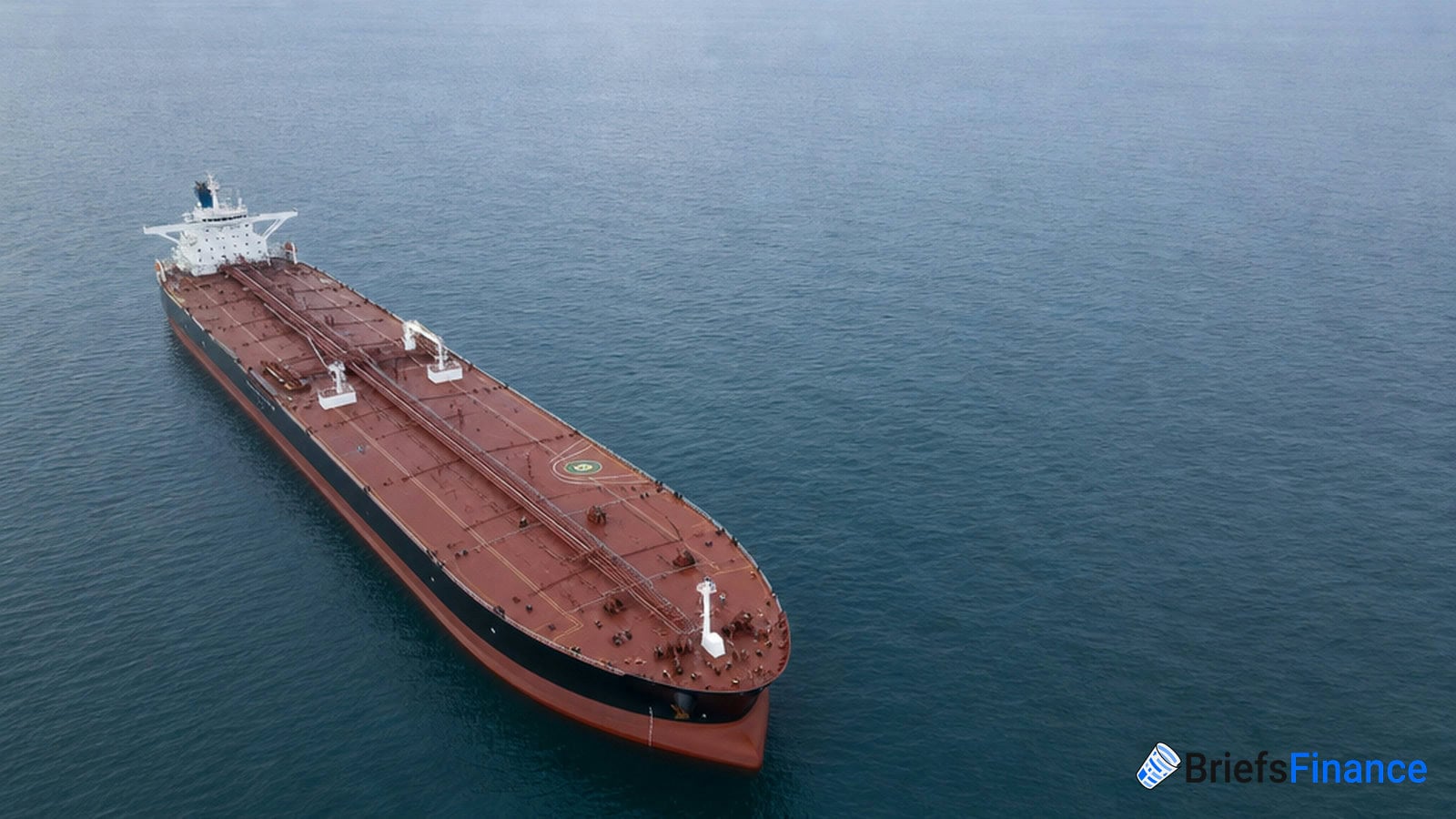
Everyone watches full tankers leaving the Persian Gulf. The smarter number is the empty ones going in.
Empty tankers head into the Gulf to load crude, coming back out full days later. That means today's empty traffic is tomorrow's actual oil supply.
What the Inbound Count Actually Shows
When ship owners send empty tankers into the Strait of Hormuz, it's a vote of confidence. They're willing to eat the insurance hit, the war-risk premium, and the route through one of the most watched waterways on the planet - because they expect to get paid on the other side.
When those empties stop showing up, it's the first sign something is wrong.
Loadings dry up, cargoes get delayed, and the supply hit lands on global markets weeks later - after the already-loaded ships have made their runs.
That's why the inbound count tells a different story than the outbound one. The outbound number shows what already happened, while the inbound number signals what's coming.
We break down what numbers like this actually mean for oil prices in Market Briefs - delivered every weekday morning, plus a free 45-minute investing masterclass when you join.
Why the Strait of Hormuz Matters
About a fifth of the world's oil moves through the Strait of Hormuz every day, making it the main artery for crude headed to Asia - especially China, India, Japan, and South Korea, which together take the bulk of it.
Anything that scares ship owners away from going in empty - higher insurance costs, military activity, attacks on vessels - pulls future supply off the table. And because tankers take weeks to load, sail, and unload, the gap between an empty-tanker pullback and a real shortage at the pump is short.
It's the difference between watching the score and watching the play that's about to score.
Worth Noting
Oil prices already react to headlines out of the Gulf, but the empty-tanker number reacts before the headline lands. For anyone trying to figure out where crude is headed, it's the cleaner read.
If you want this kind of read on the market every day, join 350,000+ investors reading Market Briefs [NEEDS MANUAL VERIFICATION - subscriber count] - the daily newsletter comes with a free investing course as a bonus.