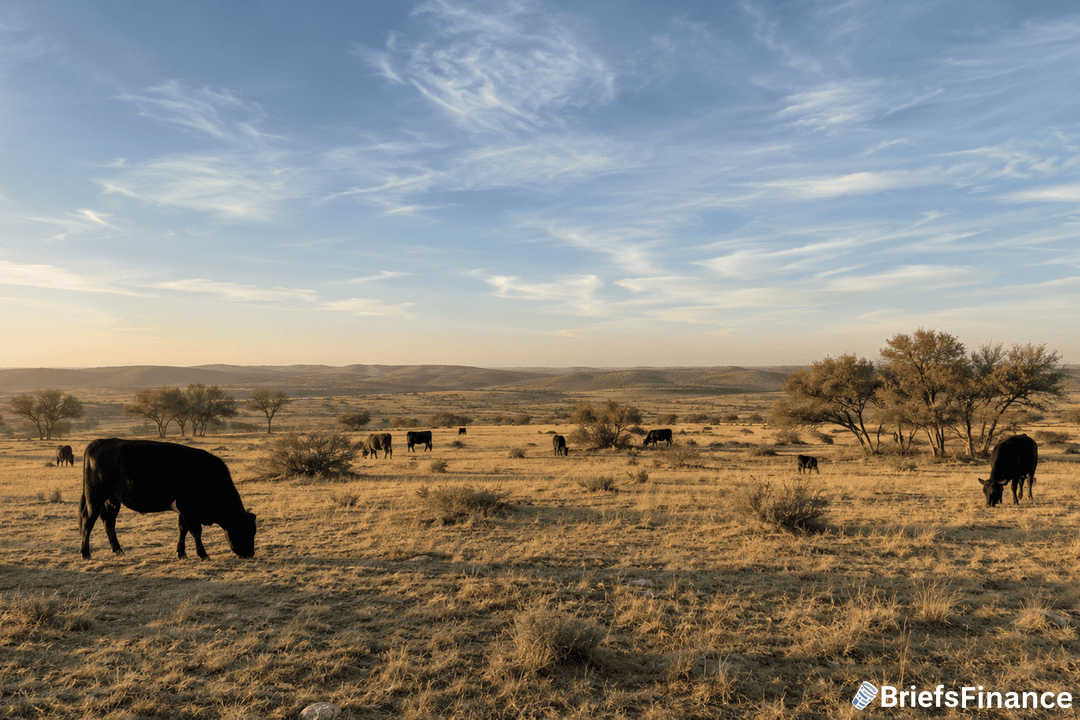
A pest the U.S. wiped out 60 years ago is back. It showed up in Texas cattle.
And the government is spending more than $1 billion to kill it again.
For ranchers, that is a big deal. Beef is one of the country's biggest farm products.
For investors who track beef prices, it is worth watching too. The flesh-eating screwworm threatens livestock.
It does not touch the steak in the grocery case. The bigger risk is to the herds that supply it.
What The Screwworm Actually Is
The New World screwworm is a fly. Its larvae burrow into the open wounds of living animals.
Left untreated, those wounds can turn deadly. The pest mainly hits cattle, wildlife, and pets.
In rare cases, it can even harm people. That is why ranchers watch it so closely.
The USDA has now confirmed four cases in Texas. They include a calf and a dog.
This is the first in the U.S. since the 1960s. Early signs suggest the dog had just been in Mexico, which is likely where the pest crossed over.
The first Texas case turned up in early June. The U.S. had not seen the pest since 1966.
Secretary Brooke Rollins tried to calm fears on Monday. She noted the pest does not infest meat, fruits, or vegetables.
That is why she said the food supply is "not at risk."
For investors who track the cattle market, Market Briefs ties stories like this back to your money every morning, and you get a free investing masterclass when you sign up.
The Old Playbook
The U.S. beat this pest once before, back in the 1960s. It plans to run the same plan again.
The trick is to release sterile flies. They mate with wild ones, so no offspring are born.
Think of it like flooding a dating pool with partners who can never have kids. Over time, the wild population collapses on its own.
Right now the U.S. is dropping about 10 million sterile flies a week. They go out by air and by ground.
It is slow, steady work, but it worked once before.
The goal is to push the pest back into Mexico. Then the plan is to wipe it out for good.
The stakes are real for the beef business. A bad outbreak can thin herds and lift prices.
Texas Governor Greg Abbott has already expanded a state disaster order.
What To Watch
The fight is not without friction. Texas Agriculture Commissioner Sid Miller knocked the USDA for a slow response that let the pest cross the border.
Rollins fired back and called his comments "disturbing and disruptive."
Each new case raises the odds the pest spreads past Texas. For now, the bigger question for the cattle market is how fast the spread gets contained.
If you want news like this tied back to your money each morning, sign up for Market Briefs, and a 45-minute investing course is thrown in for free.