How the barrels are moving
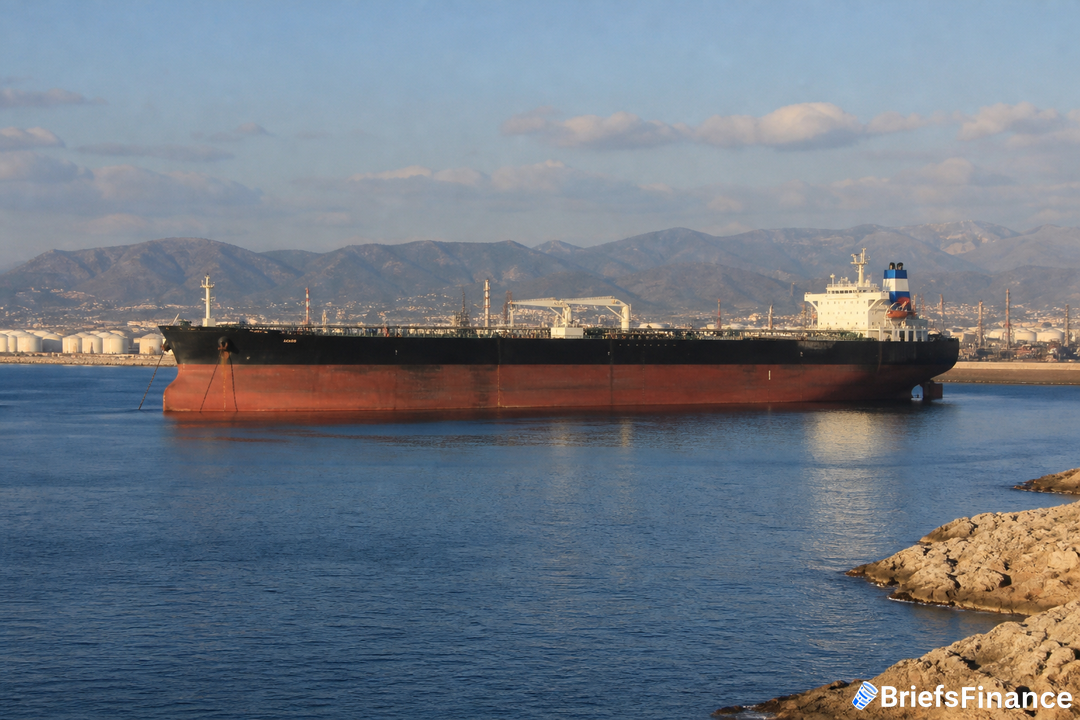
Turkey's military pension fund Oyak started lifting Libyan crude in January and has built volumes to around 6 million barrels a month, equal to about 16% of Libya's exports using OPEC figures, according to people with knowledge of the trades who requested anonymity. Oyak declined to comment.
Oyak buys through Turkish Petroleum International Company, the state operator known as TPIC, which in turn obtains cargoes from Libya's National Oil Corp, the people said. TPIC and NOC did not reply to inquiries, and the Turkish Energy Ministry - the authority in charge of TPIC - said it had no comment.
TPIC disclosed in its 2015 annual report that it signed a crude purchase and sale deal with NOC in 2013, though shipments were later knocked off course due to political turmoil in Libya. According to TPIC's website, it currently has strategic agreements with state companies in the broader Mediterranean and cites crude oil and Libya among ongoing activities, without offering more detail.
The Turkish network behind the trade
Istanbul-based Nakkas Holding has supported Oyak on these Libyan cargoes with trading expertise, according to the people. Nakkas did not provide a comment.
Ramazan Ozturk, the chairman of Nakkas, took part in a January meeting in Tripoli between Turkish Energy Minister Alparslan Bayraktar and Libyan Prime Minister Abdul Hamid Dbeibah. Bayraktar said the talks covered "hydrocarbon exploration, production and trade."
Smart investors welcome new tools that help clarify shifting market opportunities. We're hosting our first ever investor livestream on 11/17 to show you how to use ChatGPT and Claude to invest like a pro, hosted by Briefs Finance CEO Jaspreet Singh. Save your seat.
Nakkas owns the Global Terminal Services storage facility on Turkey's Mediterranean shoreline, hauls fuel by truck along the Turkey-northern Iraq route, and bought the retail fuel company Alpet last year. The two groups are also linked via Tekfen Holding AS: Dutch filings indicate that executives from both organizations sit on the board of ON Investment BV, a Netherlands-registered entity that this year completed the purchase of 42.8% of Tekfen.
Energy ambitions and the wider Libya play
Oyak's move into crude trading could build capabilities ahead of a reported planned tie-up with Saudi Aramco, aligning with warmer political and defense relations between Ankara and Riyadh. In September, CEO Murat Yalcintas stated the fund is in talks with "one of the biggest companies in the world," with the aim of expanding its energy operations spanning trading, extraction and refining. Earlier this year, a newspaper cited another Oyak executive saying discussions with Aramco were under way.
The fund manages $34 billion across assets including TotalEnergies-branded fuel stations in Turkey and LPG distributor Milangaz, plus steel, auto and brokerage businesses. In February, it set a target to nearly double assets to $60 billion by 2030.
Turkey's footprint in Libya is broader. Ankara has kept military trainers in the country since 2020 to back the internationally recognized Tripoli government, while also cultivating links with the rival eastern authorities. Those efforts culminated last month with ratification of a maritime-boundary deal that bolsters Turkey's claims in contested Mediterranean waters, where it intends to step up exploration for oil and gas.
Other Turkish players are active too. Turkiye Petrolleri AO won two exploration blocks in Libya in February. Bayraktar said on Thursday that TPAO may partner with Eni SpA in Libya "soon," without adding details. Turkish-owned trader BGN says it has built a strong position in the country and has been a major participant in Libya's oil-for-fuel swap program.
Why it matters for your portfolio
You now have a large, state-adjacent Turkish buyer taking a meaningful slice of Libyan crude, funneled through TPIC and supported by a private trading house with storage and logistics on Turkey's Mediterranean coast. That tightens commercial links across Turkish state and private energy players at the same time Oyak is pushing to grow from $34 billion to $60 billion in assets by 2030. The bottom line: if Oyak sustains these flows and secures a heavyweight partner for upstream, trading or refining, capital could reprice across Turkish energy, logistics and financials tied to the trade.
Learning how to use information wisely can give investors a steady advantage. On 11/17, our CEO Jaspreet Singh goes live for our first ever investor livestream on how to use ChatGPT and Claude to invest like a pro. Register to join him.