Markets took the hint
Semiconductor names stumbled as investors absorbed election outcomes alongside company updates. Nvidia's drop helped pull the Nasdaq toward its weakest day in nearly two years. Qualcomm and Nvidia each fell about 8%, and a late print showed Qualcomm at 156.59, down 16.60 or 9.58% as of 3:59 PM EST.
Losses spread across the group: Advanced Micro Devices, Micron and Applied Materials logged double digit declines. Neocloud players like CoreWeave slumped for a second day. Shares tied to Elon Musk also slipped, with SpaceX down 7% and Tesla off 10%.
Policy winds shift, and so does sentiment
The setup worsened for companies tied closely to AI infrastructure, with higher interest rates, rising capital needs and a Democratic sweep in Congress fueling concern that many projects could face heavy debt without enough revenue to match. "The technology is still going to continue on in terms of its development, but if there is a slowdown in the actual development and the buildings and the infrastructure and so forth, that's what stocks are going to trade off," said Peter Boockvar, OnePoint BFG Wealth Partners' chief investment officer, on CNBC.
States with the boldest AI data center ambitions turned blue on Tuesday. Democrats notched major victories in Texas and Ohio, capturing both the governorships and the Senate contests, and they also prevailed in Georgia's gubernatorial contest, where Democratic Sen. Jon Ossoff won another term.
Ballots and building get tougher
According to Ballotpedia, 41 local measures across 10 states sought to curb data center construction. Voters sided against data centers in all but one case, with only Harwood, North Dakota, breaking that pattern based on Ballotpedia's review and additional results compiled by CNBC on Wednesday.
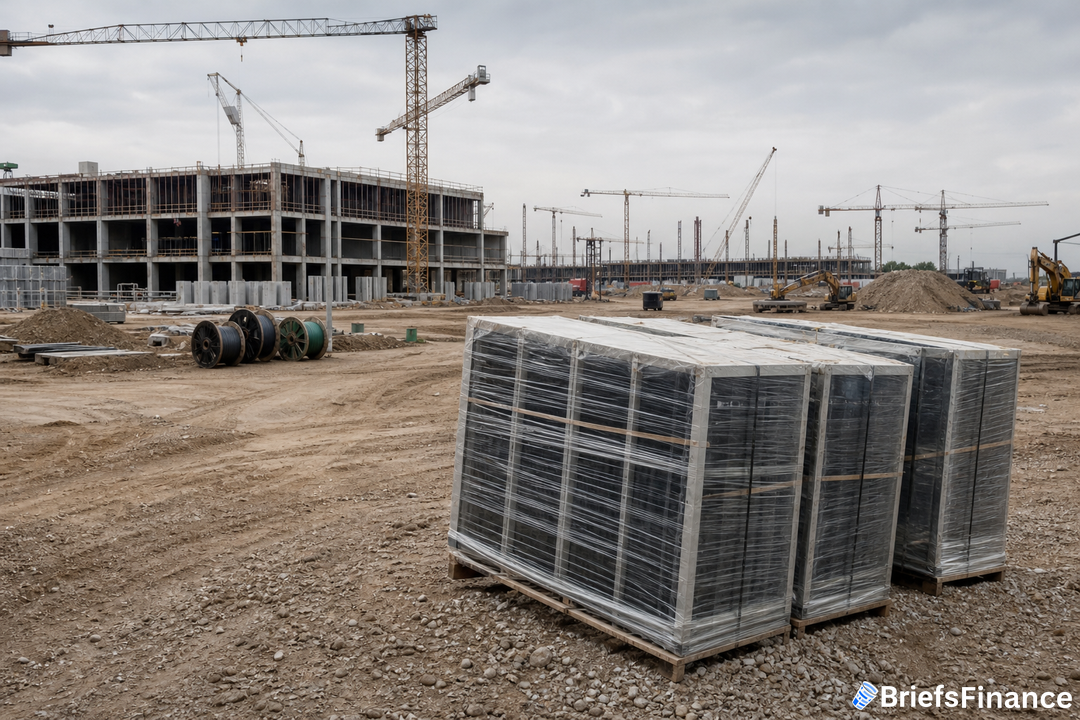
At the Wall Street Journal Tech conference, Meta President Dina Powell McCormick said building data centers is "going to be harder" after the elections. She added that one victorious governor told her, "As soon as we get past the inauguration, let's meet because we don't want to lose this investment in our town. We don't want these jobs to go elsewhere," according to the Journal.
Market shifts remind investors that adapting tools and insights can preserve long term advantage. We're hosting our first ever investor livestream on 11/17 to show you how to use ChatGPT and Claude to invest like a pro, hosted by Briefs Finance CEO Jaspreet Singh. Save your seat.
Big spend meets tight supply
Meta and fellow hyperscalers Alphabet, Amazon and Microsoft outlined infrastructure budgets that top $100 billion a year. Meta ran negative free cash flow last quarter, and Alphabet and Amazon were negative in the prior period.
Qualcomm added to the selloff after a weak outlook for the current quarter. It also became the latest chipmaker to highlight fast growth in data centers, though the unit is still small. CEO Cristiano Amon said the quarter included $650 million in data center revenue, largely tied to custom projects and connectivity. "We don't have a demand issue; it's a supply issue," Amon told CNBC. "If I had more supply, I would probably be doing better."
Supply is the rub elsewhere too. With memory in short supply worldwide, component costs are climbing, access to critical parts is tightening, and consumers are paying more for devices. Last week, Intel said its data center revenue surged 78%, yet shares fell because the outlook, constrained by the memory crunch, came in below expectations.
AMD said this week that data center sales more than doubled. Investors are now questioning how durable that growth is and whether buyers can use all the gear they are ordering. "There's going to be a knee jerk reaction, and that could lead to some delays, and that's going to be some concerns," On CNBC, Richard Clode of Janus Henderson, a portfolio manager, said.
What it means for your portfolio
This is a classic collision of policy, funding and supply. Election outcomes raised the bar for new data centers, big tech still plans massive buildouts, and memory bottlenecks are inflating costs. That mix pulled semis lower and dragged the broader tech tape. The bottom line: expect bumpier trading in AI infrastructure plays while capital, permitting and components sort themselves out.
Keeping curiosity about new technologies helps investors find smarter ways to manage risk. On 11/17, our CEO Jaspreet Singh goes live for our first ever investor livestream on how to use ChatGPT and Claude to invest like a pro. Register to join him.