What PNC is doing
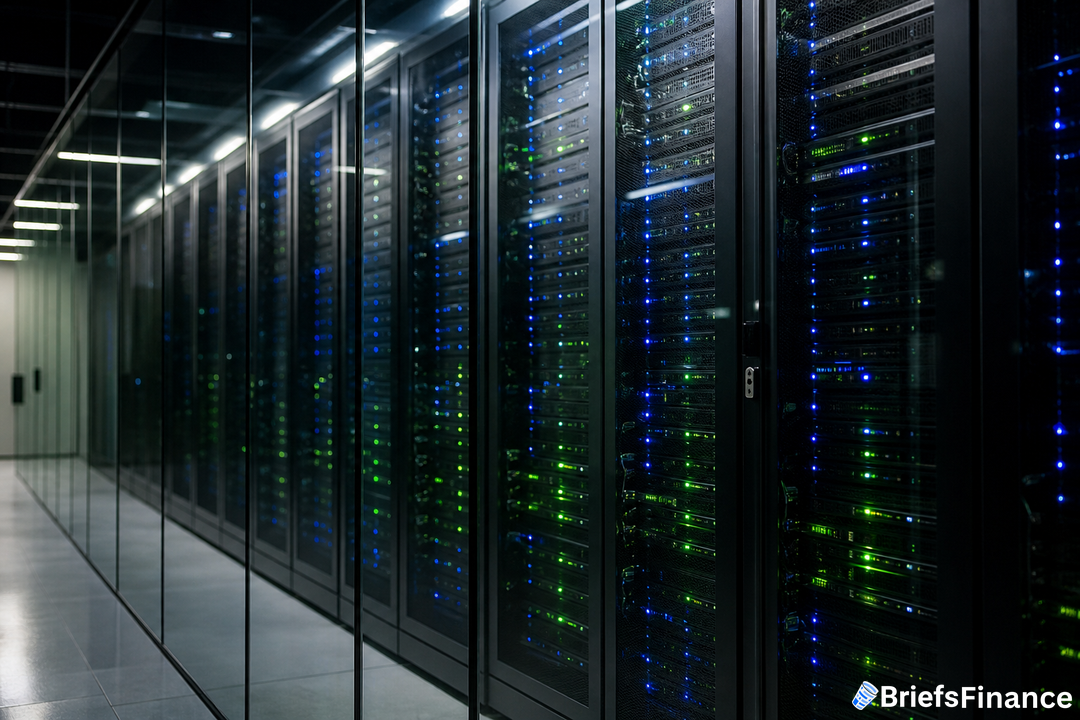
PNC is taking the road less outsourced. The Pittsburgh-based bank has been pouring money into its own computing backbone, adding GPU chips to its data centers to ramp up horsepower. That is a different playbook from many peers, who have emphasized pairing tasks with specific AI models to avoid overspending on tokens. PNC's bet is that owning the plumbing gives it more control and helps keep long-run costs in check.
Why this approach
Speaking on the bank's Thursday conference call, Demchak laid out the target: build infrastructure that "allows you to do it yourself without vendor support, without compute costs coming from third parties." He cautioned that it is easy to get distracted by the "bells and whistles and cool toys that come with AI," arguing instead that durable success requires core systems that can run at scale. As he put it, "We've been purposefully quiet on all of the above. We'll show up when we have something positive to show you."
Timing and priorities
PNC's next move, according to Demchak, is to lean on years of AI spending to cut expenses and roll out new products. Reilly added that the transformation could unfold over the next two to three years. Demchak also said he would put this AI buildout ahead of other big moves, such as a large acquisition.
When technology shifts reshape how companies plan, stay informed, and sign up for the free Market Briefs newsletter.
Risks and leadership stance
There is a worry floating around banking that AI agents could shuttle deposits to whichever institution offers a higher yield, much like automated help for shopping decisions. Demchak called that "incredibly dangerous" if it happened without secure connections and authentication, adding it is "not going to happen on my watch." For customers, that signals PNC wants the benefits of smarter software without opening the door to automated money drains.
Because AI and infrastructure choices reshape planning, sign up for our free Market Briefs to get five minute daily context.