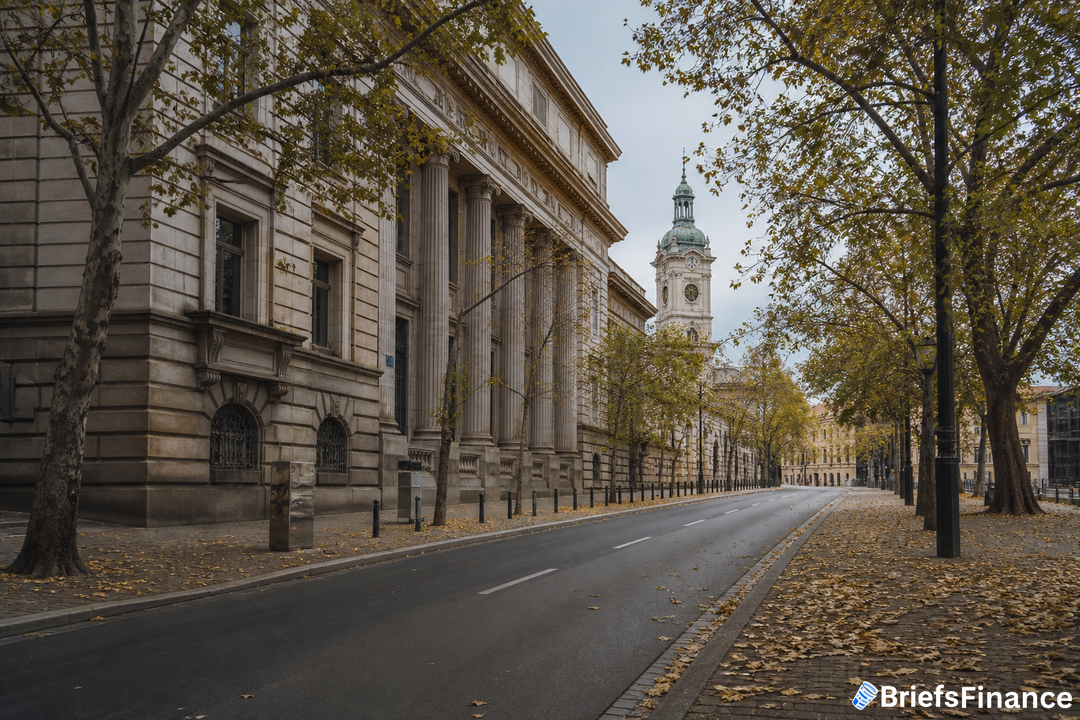
Rates on ice as the vote clock ticks down
Serbia's central bank left the one-week benchmark at 5.75% on Thursday, marking a record streak of 25 straight meetings without a move. Analysts in a Bloomberg poll unanimously expected the hold, and most anticipate borrowing costs will stay unchanged for the rest of the year, with just two of twelve looking for tightening in December. This was the final policy meeting before voters head to the polls on October 25.
Politics and fiscal looseness set the stage
Aleksandar Vucic resigned as president last month and intends to remain the country's dominant figure by shifting to the prime minister's role if his party wins. In the run-up to the election, the outgoing government relaxed fiscal constraints, offering cash to all adult citizens and increasing pay for public workers along with pensions and welfare. As a result, this year's budget gap is now seen reaching about 3.5% of GDP, rather than the earlier 3% estimate.
Holding a rate steady for two years is a policy stance in itself. Market Briefs covers central banks free every morning.
Inflation picture and what the bank expects next
Even with energy becoming more expensive, and prices largely regulated, headline inflation has remained within the 1.5% to 4.5% range for over a year. According to the central bank, annual inflation is set to increase to around 4% this month after being at 2.2% in August, and then remain near that level in 2027. Core inflation quickened to 4.7% in August, compared with 4.5% in July.
The contest to watch and why it matters to you
Vucic's party faces its toughest challenge since first taking office in 2012, with a student-led grassroots movement that began in late 2024 now built into a political force that some polls say could win a majority of ballots. That potential power shift, coupled with looser pre-election spending and a central bank signaling inflation will edge up before settling, adds up to a pivotal moment. If you are considering exposure to Serbia, the mix of steady rates, a wider deficit and an election that could reshape policy is exactly the kind of real-world backdrop to factor into your decisions.
Stability has costs that build quietly over time. Get the free Market Briefs daily newsletter and follow it.