What the funding will pay for
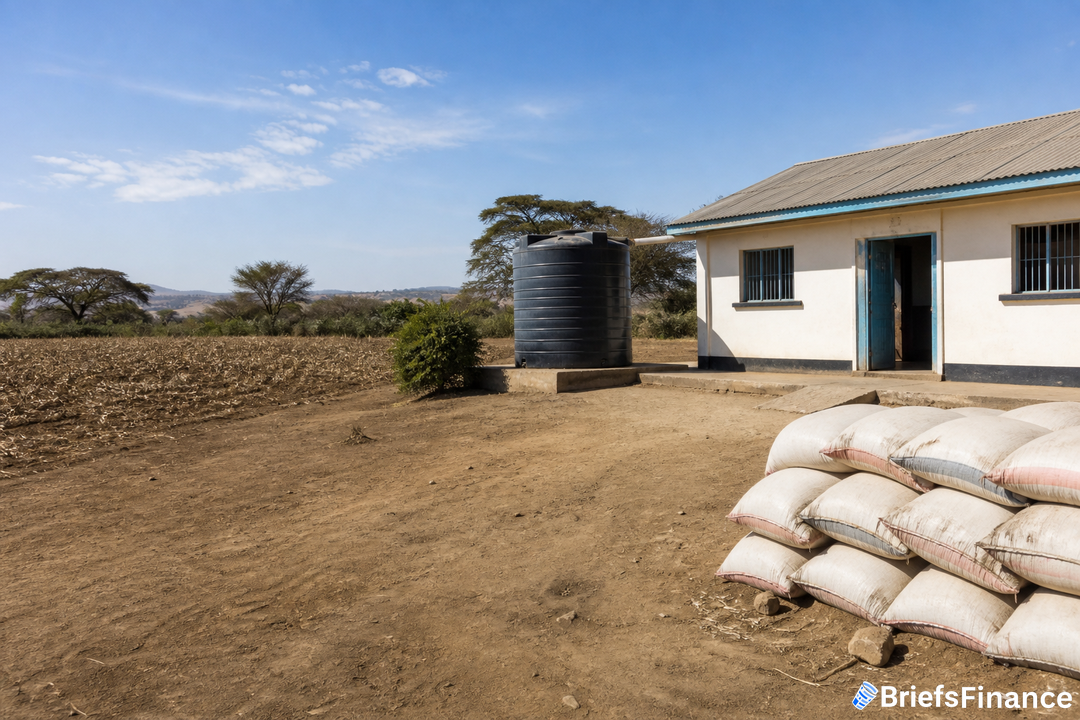
Kenya has created a Contingent Emergency Response Project as the conduit for World Bank support, and the Treasury projects $400 million will come through this window. The plan aims to cut costs for farmers by subsidizing fertilizer and seeds, expand access to clean water, and increase supplies of essential medicines.
How the Rapid Response Option works
This is Kenya's first run at the World Bank's Rapid Response Option, which lets governments redirect up to 10% of undisbursed project money to urgent needs. It is designed to respond to shocks such as spillovers from conflict in the Middle East, a super El Niño, and a recently detected Ebola case.
Emergency lending terms shape a country's budget for years afterward. Market Briefs covers development finance free every morning.
Health and food strains flagged
As the World Bank documents put it, "Kenya continues to experience recurrent shocks, including droughts, floods, disease outbreaks, rising commodity prices, and disruptions in global supply chains." They also warn the health system "remains vulnerable to shortages of essential medicines," a risk that can intensify during emergencies like disease outbreaks and flooding. Health measures include medicines, along with test kits and laboratory diagnostics covering Ebola, cholera, malaria and Rift Valley fever.
The US-Israeli war on Iran has pushed up fertilizer costs and made inputs scarcer, undermining farm production and household food security. These pressures come on top of a ruined corn harvest and scarce supplies of wheat and milk.
Timing and wider financing context
The World Bank proposal is queued for approval on Thursday. Separately, Kenya is pursuing a wider $5.4 billion financing plan that includes Eurobonds and debt swaps.
What this means for your portfolio
When fertilizers get pricier and basic goods run short, budgets tighten and local businesses feel it. The World Bank says the emergency funding "seeks to protect lives and livelihoods by strengthening emergency preparedness, improving access to essential services, and supporting sustainable recovery," and the documents confirm cash transfers for poor and vulnerable households. For everyday investors, that is a reminder that food, water and health pressures on the ground can sway spending and saving - and that public money aimed at stabilizing essentials can help cushion the shock.
What a loan is conditioned on matters more than its size. Get the free Market Briefs daily newsletter and follow it.