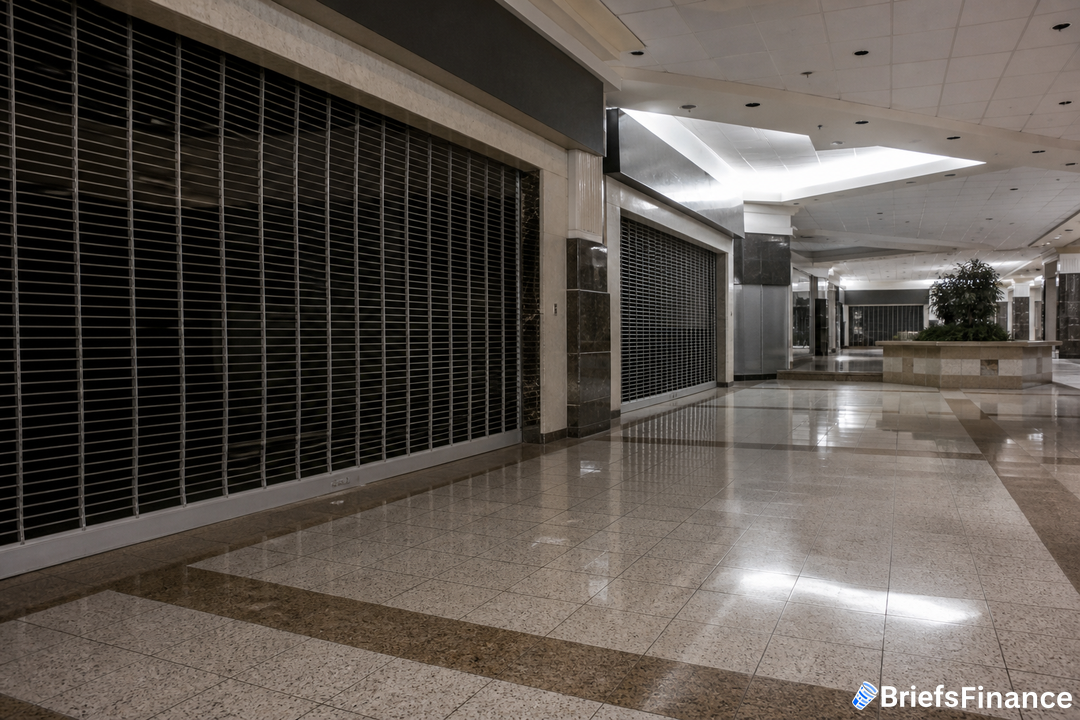
What changed in consumer behavior
Budgets are feeling tighter, so shoppers are trimming the fun stuff first. Meghan Robson, who leads US credit strategy at BNP Paribas, called it "a very K-shaped rates-sensitive story," meaning results hinge on how healthy the consumer feels. At the same time, broad measures of consumer health - payrolls, retail sales and wages - remain mostly solid, even as leisure spending softens.
Winners and losers in leisure and entertainment
Entertainment-focused names are taking the brunt. Dave & Buster's reported second quarter results last month that missed expectations across the board, largely because entertainment revenue slumped. The company's debt has traded in distressed territory all summer and slid further after the weak print and the exit of its chief executive officer.
Lucky Strike is wobbling too. S&P Global Ratings cut its score this month to B- from B - six rungs below investment grade - citing weaker operating performance and acquisition-related borrowing that has pressured leverage at the bowling alleys and water park operator. Bloomberg data show the company's 2032 loan changing hands around 79 cents on the dollar, about 5 cents below where it was a month ago. On its latest earnings call, management pinned same-store revenue declines on televised sporting events pulling customers away.
Investors have noticed: shares of Lucky Strike are down 37% this year, while Dave & Buster's has fallen nearly 60%. Requests for comment went unanswered by representatives of both companies.
Stress beyond restaurants and bowling alleys
Cracks are showing up elsewhere. As of Sept. 16, the consumer discretionary cohort posted the second-highest distressed ratio across sectors at 6.7%, using the ICE US High Yield Index as the gauge, Bloomberg Intelligence reports. Theme park operator Six Flags Entertainment has felt pressure in part from disappointing attendance, and its bonds have drifted lower since reporting tepid second quarter results in August.
Weak demand and higher financing costs have also weighed on building materials and construction, a slump that could deepen if the Federal Reserve tightens further. The central bank lifted interest rates this month, marking the first hike in three years.
A steady plan helps protect your savings and position them for steady growth. Join Briefs Finance CEO Jaspreet Singh on September 29th for a FREE live investor workshop, How to Profit From A Dollar That's Losing its Value, where he shows how we're spotting investment opportunities as the dollar falls. Save your spot.
Other pockets of stress and the mixed picture
The strain reaches beyond entertainment. Pool supplier Leslie's Inc. is weighing options to tackle its debt burden, including a potential Chapter 11 filing, as pool renovations cool. Subprime auto lender America's Car-Mart, often viewed as a barometer for lower-income shoppers, said that in July inventory fell 52% and car sales slid 27%.
The company is weighing selling assets, a move that could ultimately result in a complete wind-down. America's Car-Mart declined to comment.
There are bright spots. Several retail chains also reported better earnings after receiving millions in tariff refunds, though those refunds are masking margin pressure that could intensify if rates keep rising.
What this means for your portfolio
It is a split-screen economy: headline consumer stats look fine, but businesses tied to discretionary purchases are where the stress is surfacing, with weaker sales, downgrades, and debt trading below par. That divide is what to watch, along with the Fed's next moves and where households keep trimming. Those forces will help decide which consumer names can power through and which ones face deeper trouble.
Mindful choices about spending and saving can strengthen your long term financial resilience. Our CEO Jaspreet Singh is hosting a FREE live investor workshop, How to Profit From A Dollar That's Losing its Value, on September 29th. Sign up free to join him live.