What happened to shipping costs
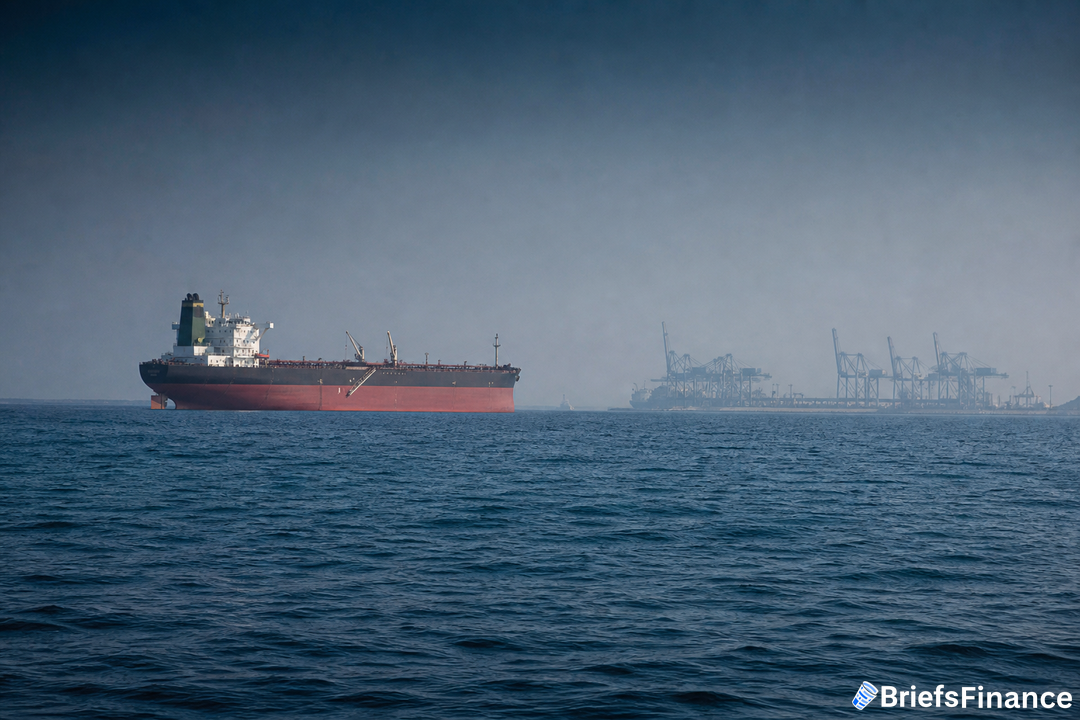
The cost to move oil by sea has erupted because there simply are not enough supertankers available for hire in key regions. Veteran shipbrokers say they have never seen the pool this tight, and multiple industry executives say the overall market is without precedent. These giant vessels, each about the length of three football fields, have become scarce enough that far-flung barrels look less appealing, pushing buyers to grab what they can closer to home.
Along the key Gulf-to-China lane that sets the industry benchmark, VLCCs moving 2 million barrels are earning more than $1.2 million per day, with comparable pressure emerging on other routes. Suezmax ships are averaging more than $300,000 a day, levels more commonly seen when sailing in and out of conflict zones.
The crunch is cascading to smaller classes. Some Asian refiners are switching to 700,000-barrel Aframaxes for certain US purchases instead of using VLCCs.
How the math is changing trading decisions
Freight is now a swing factor in who buys which barrels. Shipping a Houston load to Asia piles on roughly $26 a barrel - $52 million for the cargo - an outlay equal to about one-quarter of West Texas Intermediate futures prices. Before the war, shipping was a sliver of the delivered cost. Now traders worry the run-up could tip some refineries into unprofitable territory, keeping them from bidding on cargoes that must travel long distances even with strong demand for diesel and gasoline.
Flows are shifting. Vortexa's ship-tracking shows US-to-Asia volumes have slipped in recent weeks as freight rates nearly tripled. In one telling move, a Japanese refiner bought Alaskan crude despite it not being a great fit for local plants because the shorter trip made the economics work better.
Europe's scramble for nearby barrels is visible in pricing. Brent futures peaked near $110 a barrel this week, but the region's Dated Brent physical benchmark climbed above $131 as buyers chased short-haul cargoes. European processors are also replacing Middle Eastern supplies after Saudi Arabia provided no term-contract barrels to European buyers for next month. Meanwhile, deals for Angolan barrels that usually head to China have been sluggish.
"Current freight levels can become self-limiting over time - they eventually close arbitrage routes and reduce demand for the most expensive long-haul barrels," said Sumit Ritolia, a senior manager overseeing modeling at analytics firm Kpler.
When transport costs bite, steady investors focus on protecting and growing capital. Join Briefs Finance CEO Jaspreet Singh on September 29th for a FREE live investor workshop, How to Profit From A Dollar That's Losing its Value, where he shows how we're spotting investment opportunities as the dollar falls. Save your spot.
Why demand and routes are shifting now
Two forces are driving the surge. One is the fallout from the US-Iran conflict. The other is a large bet by a South Korean tycoon that had already been pushing rates higher before fighting broke out.
Tankers moving crude via the Strait of Hormuz are spending extra time because they're swapping cargoes off Oman. Other tankers are taking long detours around Africa to lift in the Mediterranean. And until recently, Asian buyers were offsetting lost Middle Eastern volumes with longer voyages from the Americas.
All of that stretches the fleet and lifts prices.
The boom is a windfall for owners. Several executives and brokers say the current rally would have been unthinkable before, and the market value of the largest oil-tanker equities hit a record near $70 billion this week.
What it means for fuel markets and your portfolio
"It has never been this expensive to move oil around," said Saad Rahim, chief economist at Trafigura Group, at the Bloomberg Commodity Investor Forum on Thursday. With freight taking a bigger slice of cargo value, "it becomes a much bigger issue now when you start to think of that in terms of logistics."
Europe's diesel futures sit near $200 a barrel, a sign refiners still need every drop they can get despite steeper shipping bills.
If high freight lingers, trade routes could keep rewiring, trimming appetite for the priciest long-haul barrels and lifting demand for nearby crude. For everyday investors, that means tanker owners are enjoying outsized earnings, while refiners dependent on distant supplies may find margins squeezed compared with peers sitting near accessible crude.
A calm approach to portfolio decisions helps you weather change and build wealth. Our CEO Jaspreet Singh is hosting a FREE live investor workshop, How to Profit From A Dollar That's Losing its Value, on September 29th. Sign up free to join him live.