Who Showed Up And What They Pushed
Gathering the leaders in Rovaniemi, which sits at Finland's Arctic fringe, Petteri Orpo set the stage as Mette Frederiksen framed the stakes: "As a result of climate change and the geopolitical shifts, we are going to see an Arctic region that will also change significantly in terms of security policy." She added that NATO has already dialed up its Arctic focus "but we are here to ensure that the EU has a greater focus too."
Why The Arctic Is Back On Europe's Agenda
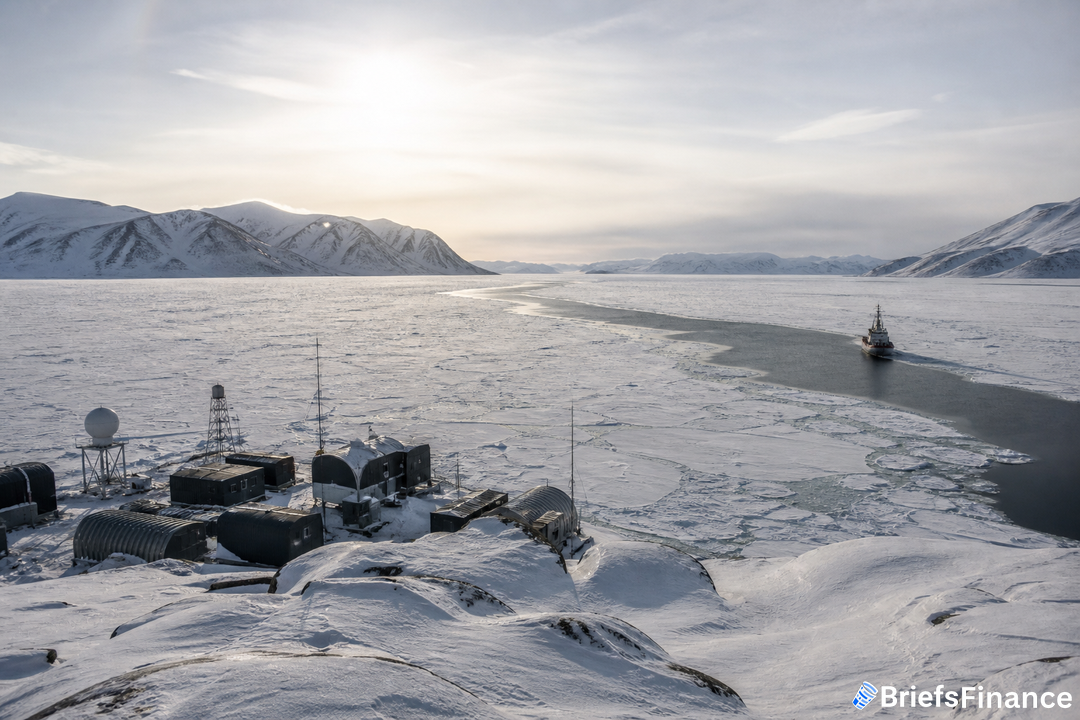
The EU wants more sway in the Arctic as global competition heats up. President Donald Trump has his eye on Greenland, Russia keeps turning the screws on Europe, and China is looking to expand its footprint. One more hard fact shaping the debate: Finland's 1,340-kilometer (833-mile) border with Russia constitutes a majority of the alliance's overland boundary with the country and extends north toward the Kola Peninsula, which hosts a key segment of Moscow's nuclear deterrent.
What Leaders Want Funded
In their joint message, leaders urged the EU to take a "more strategic and proactive role" in the European Arctic. Priorities included ramping up military mobility - the infrastructure that enables NATO forces and equipment to move efficiently - expanding satellite capabilities, and reinforcing maritime defenses to safeguard critical infrastructure both ashore and at sea. With thawing shipping lanes creating new opportunities, they discussed pooling or jointly owning icebreakers, with Finland slated to help build them. Merz backed the push: "We definitely need icebreakers," and "You have my support on that."
Global developments remind investors to safeguard capital and seek steady growth. Join Briefs Finance CEO Jaspreet Singh on September 29th for a FREE live investor workshop, How to Profit From A Dollar That's Losing its Value, where he shows how we're spotting investment opportunities as the dollar falls. Save your spot.
The Russia Factor And What It Means For Your Money
Leaders sharply criticized Russia's hybrid assaults across Europe. Orpo warned that "Russia is becoming more aggressive and is playing a very dangerous game," and said "we need to support Ukraine more and impose more sanctions on Russia." In the more than four years since Moscow launched its full-scale invasion of Ukraine, hybrid activity has intensified, from drone incursions and cyberattacks to suspected sabotage. On Sunday, a Russian drone hit the engine of a passenger service running from Kyiv to Warsaw close to the Polish frontier, moments after another train carrying European officials had left the station; no one was hurt thanks to a monitoring group's alert.
Long term resilience comes from a plan that protects and grows savings. Our CEO Jaspreet Singh is hosting a FREE live investor workshop, How to Profit From A Dollar That's Losing its Value, on September 29th. Sign up free to join him live.