SpaceX is known for building rockets. Now it wants to trade natural gas.
The company posted a job opening for a trader who will create and lead a team dedicated to natural gas trading. The goal is to support SpaceX's growing fuel and power needs, which now include a massive semiconductor plant in Texas and a rocket fuel supply for its Starship launch vehicle.
The news landed with investors already in a good mood. SpaceX shares traded at 136.97, up 2.22%, while Tesla climbed to 362.86, a gain of 5.14%. Natural gas futures also moved higher, with the Generic 1st 'NG' Future sitting at 2.77, up 1.46%.
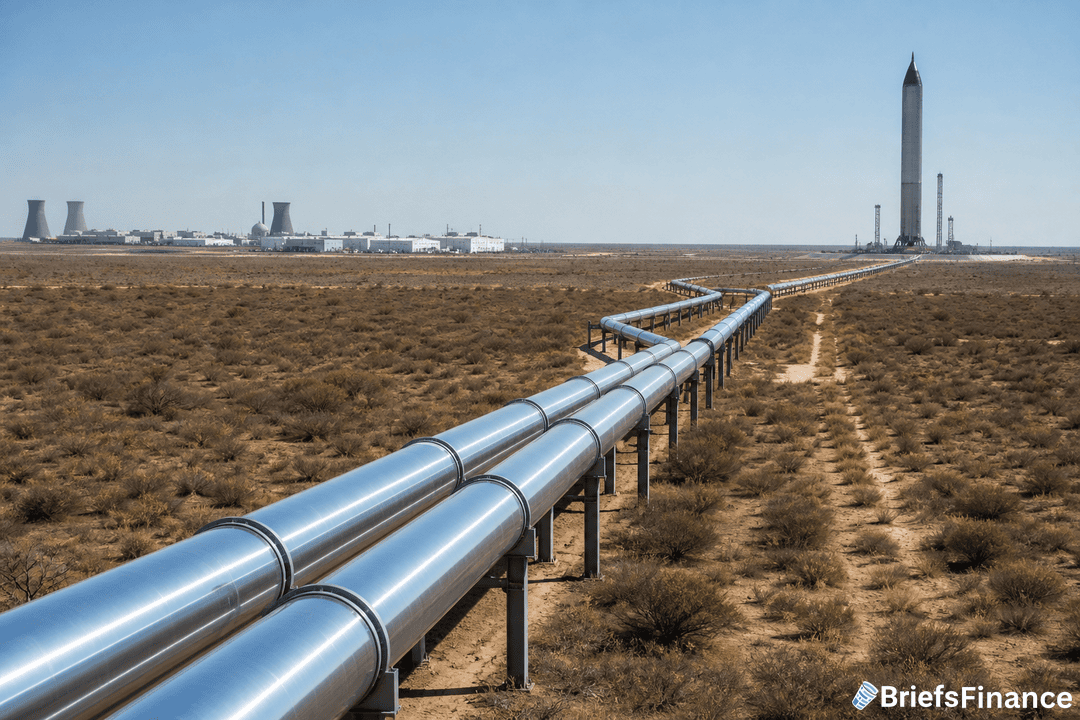
According to the listing, SpaceX intends to construct its own natural gas pipeline network. It is also looking into pulling natural gas out of the ground to make its own rocket propellant. Gwynne Shotwell, SpaceX's president and chief operating officer, said, "huge investments to develop our own propellant and bring it to the rocket."
But rockets are only part of the story. SpaceX is also working with Tesla on a project to build electricity plants powered by natural gas. Those plants would serve a large semiconductor production site in Texas. Chips need enormous amounts of electricity, and natural gas plants can be built faster than other large-scale power sources.
As the rocket firm trades natural gas, grab the free Always Be Buying E-Book to build wealth steadily
The trader will handle buying and selling natural gas in both physical markets, where the actual fuel changes hands, and financial markets, where contracts are traded without the gas ever moving. The role is based in Cape Canaveral, Florida, or Starbase, Texas. It is not in the usual gas hubs like Houston, Calgary, or Stamford, Connecticut, and working from home is not an option.
SpaceX did not respond to a request for comment.
SpaceX is not alone in this move. Meta and OpenAI have both recently announced plans to start trading power. Their data centers and AI systems are chewing through electricity at a rate that makes buying from the grid alone feel risky.
Companies that need huge amounts of power want to control how that power is made and priced. For SpaceX, that means natural gas for both its rockets and its chip-making partner. For Meta and OpenAI, it means locking in electricity for server farms that cannot afford to go dark.
For investors, this is a signal worth watching. The companies that build the infrastructure for AI and space exploration need energy, and they are willing to spend heavily to secure it. That spending flows to natural gas producers, pipeline builders, and power plant developers.
The move also highlights the growing intersection between the energy and technology sectors. As companies like SpaceX and Meta seek to control their power sources, they are increasingly bypassing traditional utilities and entering commodity markets directly. This trend could lead to more volatility but also more investment in energy infrastructure.
When a company like SpaceX starts trading natural gas, it does not just change how that company operates. It changes the market for everyone else. Natural gas futures were also up on the day, and moves like this add a new kind of buyer to the mix.
A company that needs fuel for rockets and power plants is not going to stop buying because prices get a little high. That steady demand can support prices over time.
The article appeared August 21, 2026, first published at 3:53 PM EDT and updated at 4:48 PM EDT. The fact that a rocket company is hiring an energy trader is unusual. The fact that it makes sense is the real story. When the biggest growth industries in the world run on electricity and methane, the companies that supply those inputs may be the quiet winners.
When a space firm bets on gas, let the Always Be Buying E-Book guide your investing habit