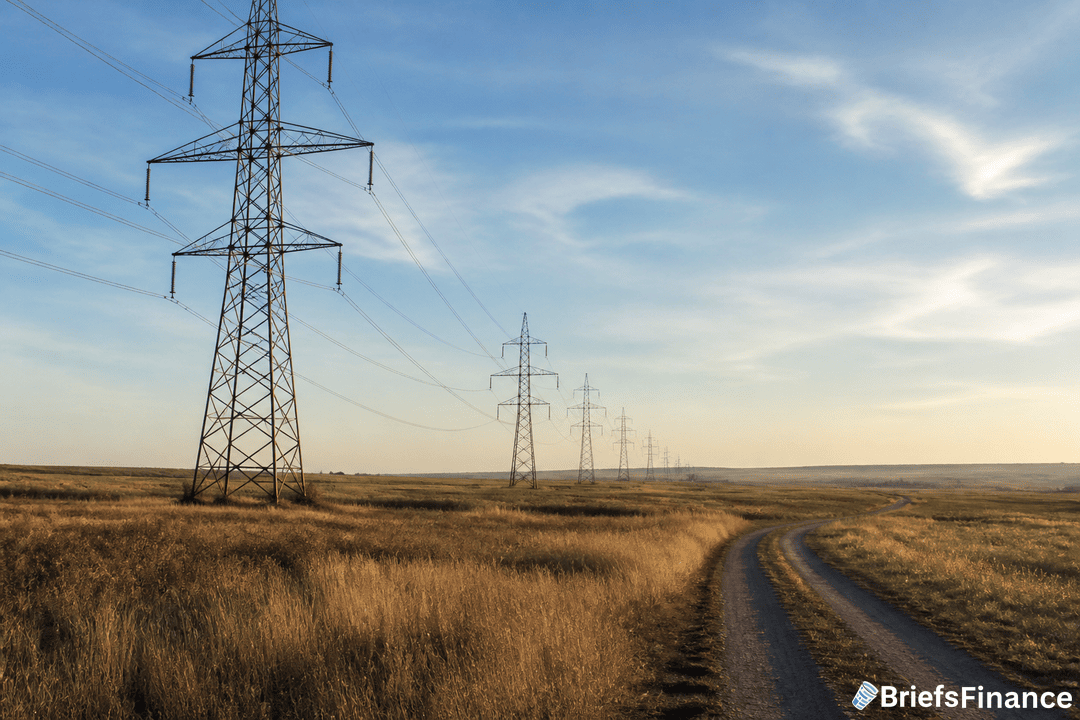
South Africa's electricity system is getting the biggest shake-up in nearly two decades.
The government proposed a major rewrite of electricity pricing on Tuesday, August 18, 2026. The goal is simple: break the century-old grip that state utility Eskom has held on the country's electricity supply and let private companies into the market.
For regular households, this could mean lower bills eventually. But it also comes with a lot of moving parts.
Why This Matters Now
The current pricing structure dates from 2008, the era when the system was built around a single state supplier. Rolling power cuts lasted more than 15 years before easing in 2024. That period caused real damage. Africa's largest economy has grown by 1% or less for more than a decade, mostly because factories and businesses could not rely on electricity.
The old policy made sense when Eskom controlled generation, transmission, and distribution. But that world no longer exists. The new framework is an attempt to build a system where Eskom is one participant, not the only option.
The Plan to End Eskom's Monopoly
Electricity Minister Kgosientsho Ramokgopa announced the proposal to reporters in Pretoria. He said, "Ongoing electricity sector transformations, including the introduction of market-based mechanisms and increased competition, necessitate a revised policy framework that is aligned with the evolving electricity market."
The proposal is one of the largest changes to electricity pricing in almost two decades. It would split Eskom into three units and allow private power suppliers to sell directly to customers.
If the electricity shake-up has you watching your budget, grab the free Always Be Buying eBook to build wealth steadily.
How Pricing Would Change
The plan is not just about who sells electricity. It is also about how the price is calculated.
Right now, the tariff system lumps everything into one structure. The new framework would separate generation, transmission, distribution, and retail charges into a consistent system. Consumers could see exactly what they pay for the electricity itself and what they pay for the wires that deliver it.
A 10-year price forecast from the energy regulator would help households and businesses plan their budgets. Investors could also use more predictable price signals to calculate returns on renewable energy projects without guessing what electricity will cost in the future.
The regulator would also need to make grid access fair. Charges would be transparent, cost-reflective, and non-discriminatory. In simple terms, a private solar farm and Eskom would pay the same rates to use the network.
What Households Get
One part of the proposal stands out above the rest.
Each month, households would receive 200-300 kilowatt-hours of no-cost energy. That is enough to run a fridge, lights, and basic appliances in a typical home. Micro-grids would be among the allowed alternative sources, which could help communities that want to generate their own power.
This free allocation is important because electricity bills keep getting more expensive. In July, the National Energy Regulator of South Africa allowed an 8.8% price increase for customers supplied directly by Eskom. Those served by municipal distributors face an increase averaging 9%.
The plan would also expand the negotiated-price program beyond mining. That program lets large customers make custom deals with power suppliers. Opening it to other industries could help businesses get better rates.
What Happens Next
The plan is set to be formally released for public input on Aug. 21. That is when the real debate begins.
The bottom line: This is a long-term fix, not an overnight one. The framework still needs public comment, regulatory approval, and years of implementation. But broad direction is clear: under the proposal, Eskom would no longer be the only choice.
For households and businesses, the promise greater choice and transparency. The catch is that getting there will take time, and the transition could have bumps along the way.
As power prices shift, the free Always Be Buying eBook can help you invest consistently no matter your income.