The Discovery
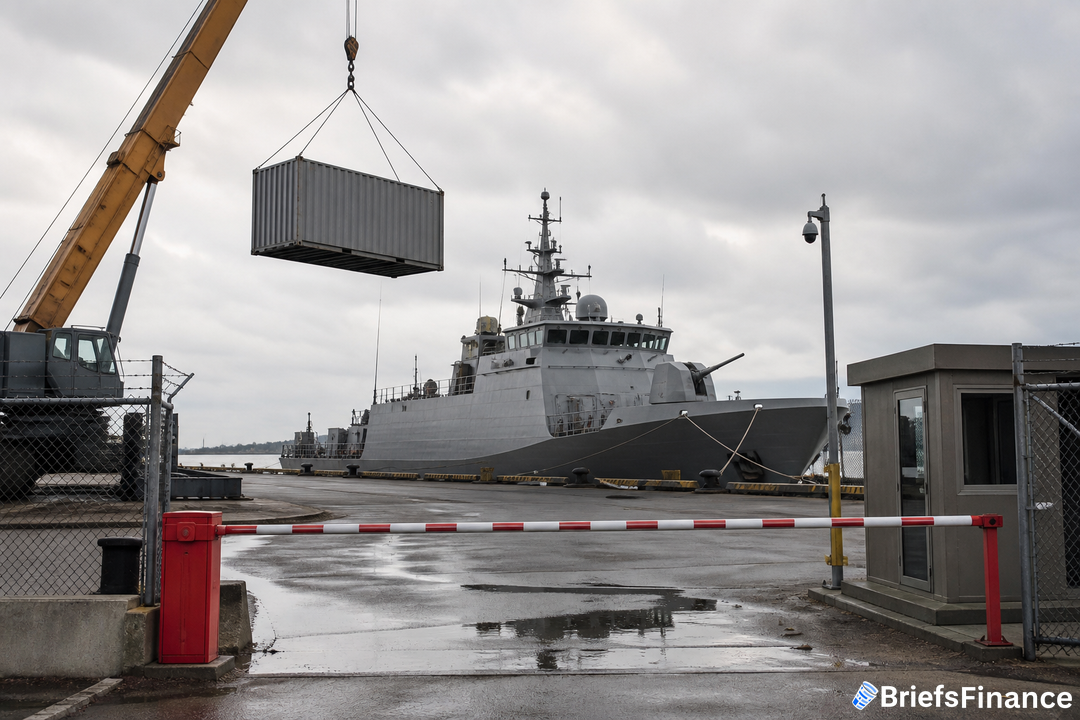
The Royal Navy just found out that some of its own surveillance drones had been quietly sending signals to a device in China. The drones are K3 Scout vessels built by Kraken Technology Group for the Royal Navy, and the signals came from the cameras on board.
The cameras were pinging a Chinese IP address on a regular basis. That kind of signal can reveal a drone's location and whether it is in use, according to defense officials and The Telegraph.
The issue surfaced on August 15, 2026, when a routine cyber vulnerability check flagged the vessels, and The Telegraph first reported it. So the problem was not spies downloading files. It was equipment quietly giving away where it was and what it was doing.
The Response
Kraken pushed back against the idea that sensitive information got out. The cameras were third-party gear that met US National Defense Authorization Act requirements, a company spokesperson said.
Worried your supply chain could hide similar surprises? Grab the free Always Be Buying eBook to build wealth steadily.
They contained only a small number of parts from outside the UK, and no sensitive data was disclosed. Any potential weaknesses, the spokesperson said, were found and fixed.
The ministry said in a statement that its "assurance and testing processes are designed to identify and address potential vulnerabilities early," and that it continues to undertake security activity across its systems and equipment. It said these include active programs that "review risks of potential adversarial exposure within the supply base and design appropriate mitigations."
The review goes beyond Kraken.
The ministry is also reviewing its own procedures for evolving threats and told suppliers to satisfy contract security rules and globally recognized security standards.
That stops short of a full industry-wide audit, which the ministry has not ordered.
What It Means for Investors
A UK-French de-mining mission is being readied after a US-Iran peace accord, and some of these drones could be deployed to the Strait of Hormuz. That is a narrow, busy waterway where a signal revealing a drone's location could put an entire operation at risk.
According to some officials who spoke with Bloomberg, the discovery was a fortunate break for the UK.
For investors, the episode is a reminder that defense supply chains are only as strong as their least visible link. Kraken's cameras met the rules on paper, yet they still contained parts from outside the UK that nobody flagged until the drones started pinging a Chinese address.
The episode underscores the danger of unknowingly using parts from a country that could exploit a weakness like this to spy on British military operations. Companies that build equipment for governments will likely face more questions about where every component comes from, and those answers could get more expensive to produce.
The ministry has already told suppliers to tighten up, and more checks are coming, but investors should remember that a company can meet every rule and still get caught off guard by a part hidden deep in its supply chain. That kind of risk does not always show up in a stock price, until it does.
When defense checks reveal hidden risks, secure your finances too with the free Always Be Buying eBook.