A Pecan Fight Before a Summit
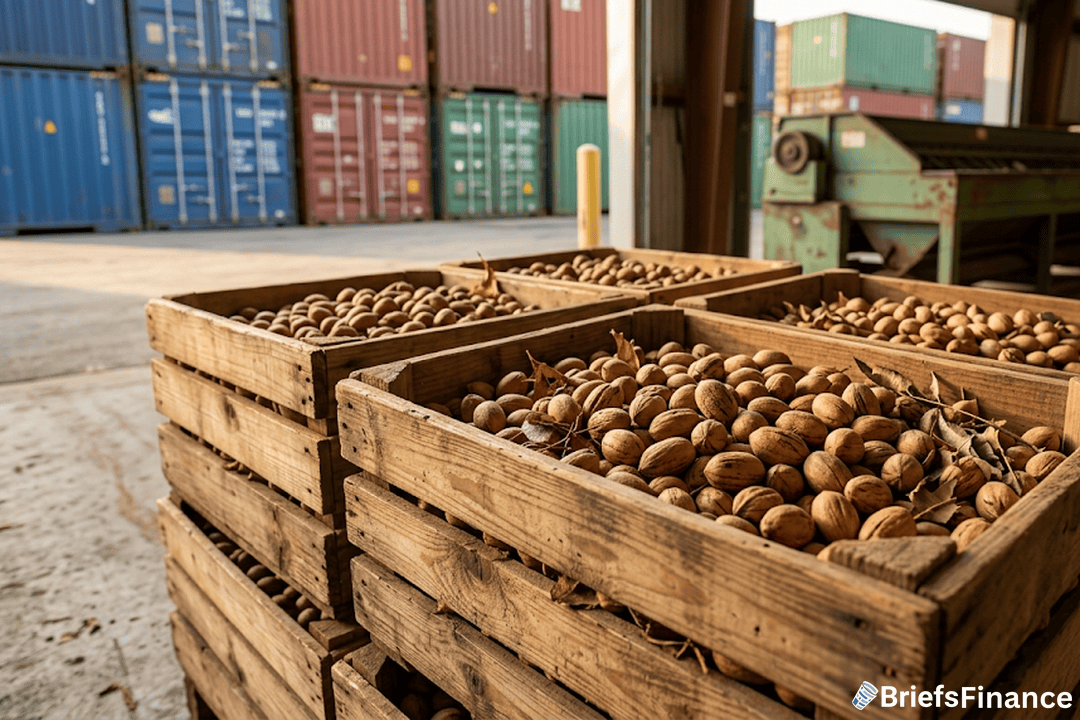
Pecans are not just pie filling. They are an export crop, and they just became the latest target in the US-China trade fight.
China's Commerce Ministry said Monday that an early anti-dumping review found American and Mexican pecan farmers were selling their nuts too cheaply in China. Dumping is the trade term for selling a product abroad below its normal price or cost of production.
The deposit is money importers have to put up while the case is still open. It is a provisional ruling, not the final decision.
The timing matters. Xi Jinping is planning to visit the US in September 2026 for a summit with President Donald Trump, and both governments are trying to keep that meeting on track.
Last week, China hit back with new restrictions, including penalties on US groups and tighter controls on drone exports, and the pecan move adds another layer of friction.
US Pecan Sales Have Already Slowed
This is not the first time politics have reached into the pecan business. Growers in Georgia and Arizona remember what happened the last time.
Get the free Always Be Buying eBook and learn the simple system for building wealth on any income
Georgia and Arizona sit at the center of American pecan production, and growers there have been through this cycle before. Monday's deposit is only a provisional step in a process that could still end with a different number. But for farmers who watched Chinese buyers pull back after the 2024 peak, the pattern is familiar: once a market starts to close, it can be slow to reopen. With the summit between Xi and Trump still months away, pecan growers are left waiting to see whether diplomacy will change the trajectory or whether this deposit becomes a permanent part of the trade landscape.
US pecan sales to China had already cooled after a peak in 2024.
The case that led to Monday's decision began in September 2025 under China's anti-dumping rules.
China's trade ministry says it has been careful and restrained in using these tools, and it promised to protect the rights of all parties before a final ruling. That means the number could still change.
The direction is clear: Chinese buyers have been looking elsewhere.
What This Means for Your Money
So why should a pecan dispute matter for your portfolio? Because trade policy can hit one crop very hard, very fast.
A 54.3% deposit can squeeze the farmers, processors, and shippers who rely on export orders, and those ripples show up in earnings and stock prices.
The bigger lesson for investors is how quickly the game can shift. A trade fight that starts with tariffs can spread to a product nobody was watching.
When one government targets a product, the business behind it can go from a healthy export market to a stalled one in a matter of months. Trade moves like this are why summit announcements deserve close attention.
The bottom line: trade headlines are market news. The next product in the crosshairs could be something that hits closer to home.
Download the free Always Be Buying eBook and start putting your money to work today