A Familiar Face for a Tough Job
Europe spent the past few years learning how to live without Russian pipeline gas. Peter Abdo helped Germany figure that out. Now he is taking over the UK's largest terminal for imported gas.
Abdo has spent more than three decades in the LNG, gas, and commodities business across Europe, Asia, and the US. He joins Grain LNG in October as CEO. The company says he is well suited to guide the terminal "through its next phase of growth."
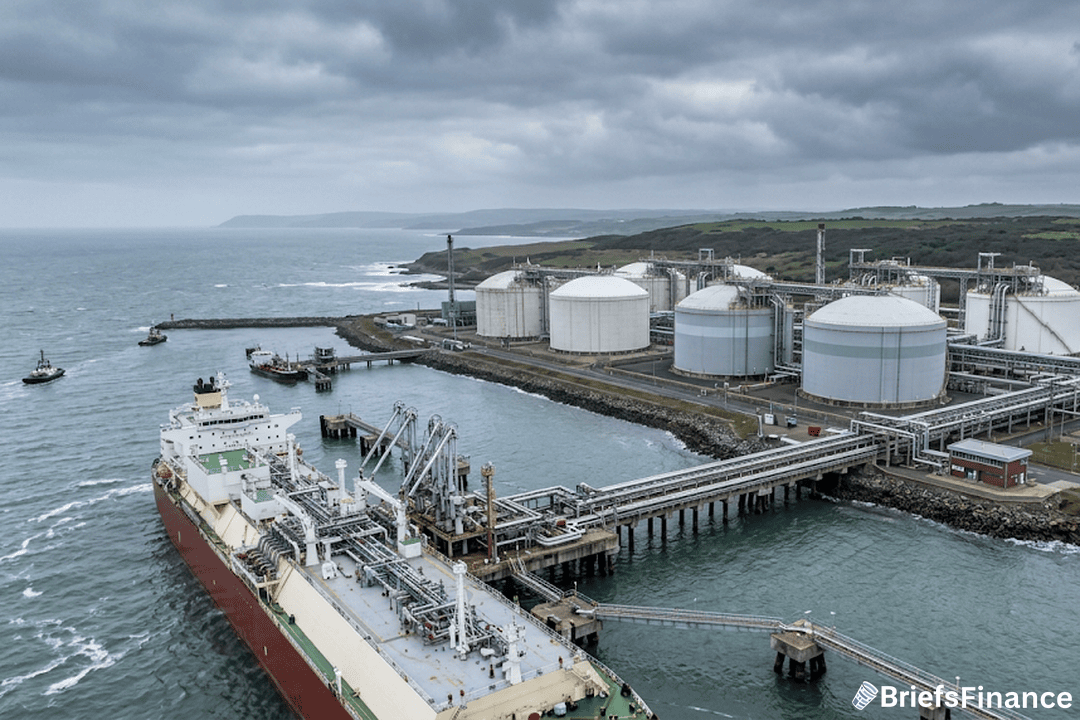
Grain is not a small operation. It runs the UK's biggest facility for liquefied natural gas, or LNG. LNG is gas that gets chilled into liquid, loaded onto ships, and turned back into gas when it arrives.
The site is one of Europe's largest import and regasification plants. Regasification is the industry term for warming that liquid back into a usable gas. Grain is a major gateway for seaborne gas supplies to the region. When tankers carrying LNG cross the ocean, this is one of the places they are heading.
Abdo's background fits the moment. He spent time helping Germany adjust to life without Russian pipeline gas, and he departed Uniper SE over a year ago.
That kind of work used to be unthinkable for Europe's biggest economy. Now it is a key line on a resume.
A Changing of the Guard
The handover is already in motion. Simon Culkin, the terminal's managing director, will depart on Aug. 14. Richard Ozsanlav, the CFO, will take over as interim CEO.
Get the free Always Be Buying eBook and learn the simple system for building wealth on any income
The new boss will answer to owners who are new to the game themselves. Centrica and Energy Capital Partners bought the terminal last year. Their bet is that Grain can be more than just a dock where tankers pull up.
As a major gateway for seaborne gas, Grain has become a critical piece of the UK's energy infrastructure. Its new owners see it as more than just a receiving dock, and Abdo's appointment is part of that broader strategy.
The Hard Part Comes Next
The timing is not easy. Europe's overall LNG imports fell to a nearly two-year low last month, partly because Middle East conflict has been disrupting energy flows.
UK terminals also face high costs. Keeping utilization high becomes difficult because of intense competition for flexible LNG cargoes. Utilization is how much of a terminal's capacity is actually in use.
Flexible cargoes are shipments that can be redirected to whoever pays the most. That means the UK is not just competing with its neighbors - it is competing with buyers across the globe.
In plain English, a lot of buyers are chasing the same boatloads of gas. Britain's import sites have to work harder to stay busy.
Abdo says the answer is to "seek avenues for growth by diversifying Grain's strategic capabilities to serve customers across the value chain." Strip out the corporate speak and he is saying Grain should do more across the gas business, not just receive tankers and push gas into the grid.
Grain's importance has grown as domestic North Sea production has declined and pipeline imports from Europe have faced geopolitical strains. The terminal's ability to handle flexible cargoes makes it a linchpin in Britain's energy security, particularly during winter months when demand peaks. That is why the owners are investing in leadership and infrastructure to keep the facility competitive.
What It Means for You
This matters well beyond the boardroom. When Britain cannot get enough gas through pipelines, it leans on terminals like Grain to bring it in by ship. The smoother those terminals run, the lower the chance of the kind of price spikes that show up on household energy bills.
Competition for gas shipments is intense right now, and that is not just an industry problem. When buyers across the globe chase the same cargoes, the price of keeping homes warm can rise.
If you heat a home in the UK, the name Grain may not mean much to you. But how well this terminal runs can show up in the price you pay to keep the lights on.
Abdo is not arriving with a magic wand. The same pressures that pushed Europe's imports to a two-year low will be waiting for him. But the choice signals that the owners see Grain as a bigger piece of Europe's energy picture, and that is worth watching as winter approaches.
Download the free Always Be Buying eBook and start putting your money to work today