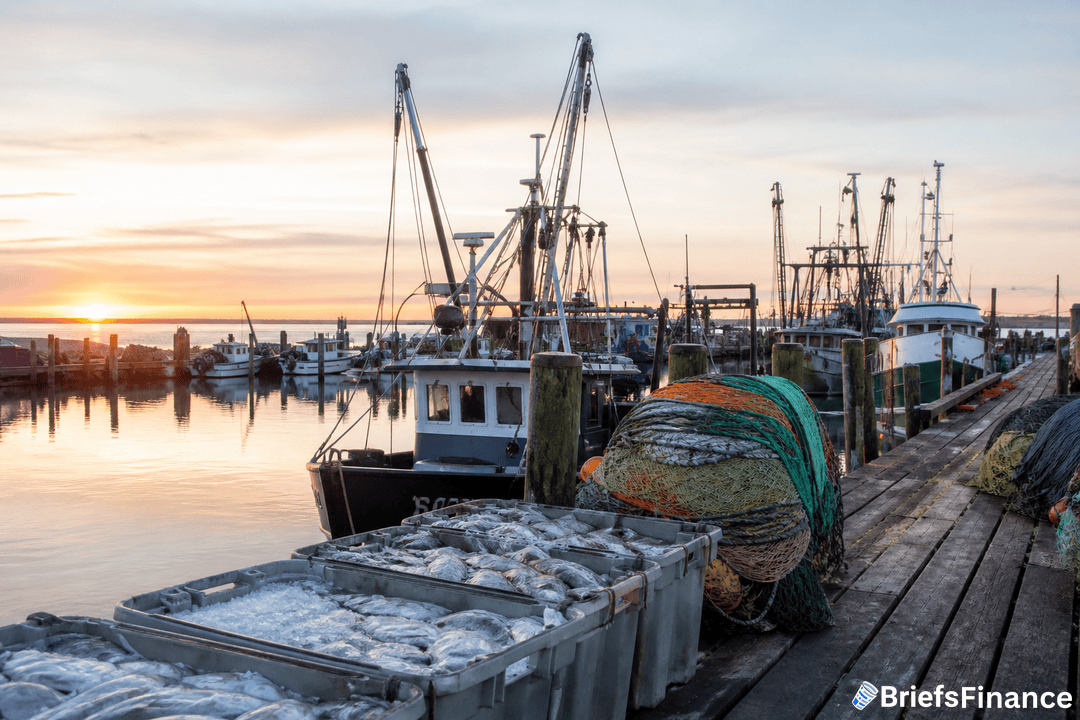
Fishing Communities Avoid Heavy Blow
Canada reversed its proposal to tax C$1.1 billion (US$794 million) worth of American seafood following backlash from its own fishing industry. This decision provides crucial relief to Maine and Alaska, where seafood exports are vital to local economies.
The updated tariff list significantly reduces exposure for key U.S. fishing regions. Bloomberg News calculated that Maine's affected exports fell by two-thirds, while Alaska's near-total exemption highlights how trade disputes disproportionately impact specific sectors.
Replacement Tariffs Take Effect
Though seafood was spared, Canada imposed new duties on U.S. copper wire, wood charcoal, and other products, maintaining its commitment to match U.S. tariffs dollar-for-dollar on approximately $20 billion of goods.
Maine Senator Susan Collins, a Republican, welcomed the shift: "I very much appreciate Canada's decision to remove seafood and fish products from its retaliatory tariff list. These tariffs would have caused tremendous harm to Maine's lobstermen."
Her Democratic opponent, Troy Jackson, countered: "Susan Collins has completely failed to stop him. As always she's got concerns about what these broad new tariffs will do to Maine, but she's got no action."
Rates, prices and policy all end up in your budget eventually. Get the free Market Briefs daily newsletter and see it coming.
Regional Economies Gain Breathing Room
The U.S. and Canada have traded retaliatory tariffs since 2018, when Canada first proposed duties on $20 billion of American goods, including seafood. The revised list reflects lobbying by industries dependent on cross-border trade. For Maine's lobster harvesters and Alaska's fishing fleets, the exemption avoids cost hikes that could erode profits in tight markets.
Trade disputes often create uneven consequences. Investors should track how targeted tariffs reshape regional economies, particularly in commodity-focused sectors like fishing.
Background: A Prolonged Trade Tension
This tariff adjustment is part of a broader trade conflict rooted in U.S. steel and aluminum tariffs imposed in 2018 under national security grounds. Canada's initial retaliation included seafood, but the latest revision shows flexibility when domestic industries push back. Such negotiations underscore how trade policies evolve under pressure from stakeholders.
Geopolitical tensions, trade barriers, and supply chain disruptions are transforming industries and amplifying market swings. Stay informed on the evolving landscape of international trade.
By proceeding, you accept the Privacy Policy and Terms of Service.