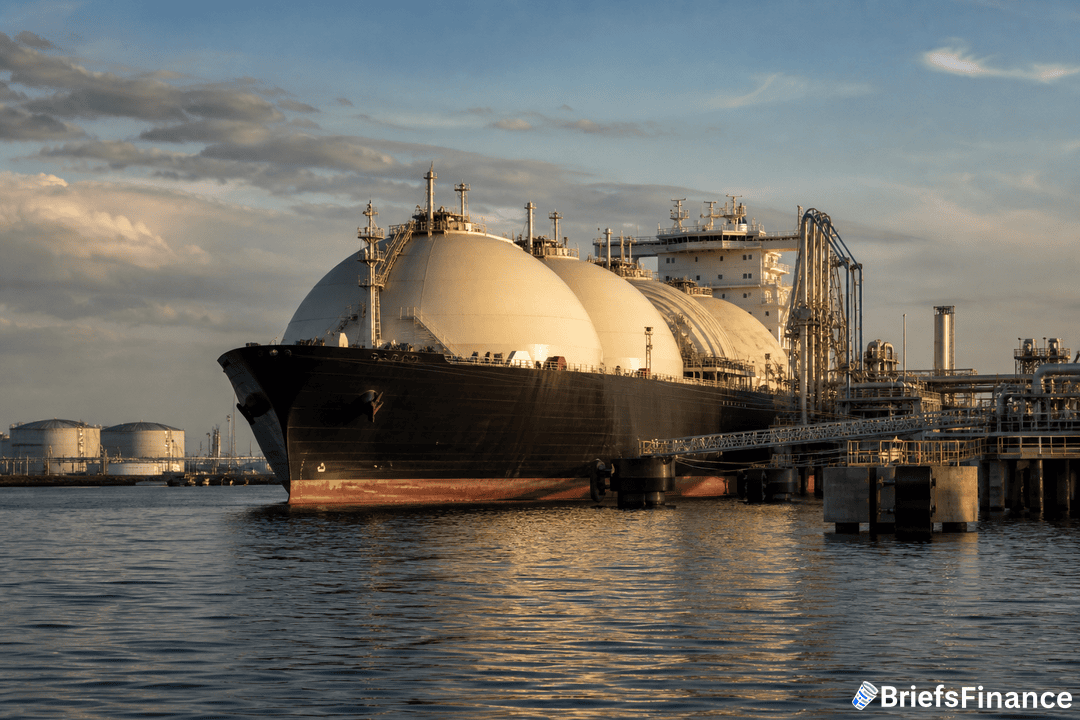
Petrobras Targets Growing Asian Gas Demand
Brazil's state-owned energy giant Petrobras is studying potential liquefied natural gas (LNG) exports to capitalize on rising demand in Asia and other markets. CEO Magda Chambriard revealed that the company has engaged Singapore-based shipbuilder Seatrium Ltd. to explore technical solutions for processing and shipping gas from Brazil's offshore fields.
"There's potential to export gas via LNG carriers," Chambriard stated during a press conference alongside Seatrium executives. This initiative aligns with Asian buyers diversifying their supplies amid disruptions linked to the Iran conflict, which have tightened Qatar's LNG exports.
Presently, over 50% of Brazil's natural gas is re-injected into oil reservoirs to enhance crude output. "Asia-Pacific is already our top crude export destination," Chambriard noted. "Looking ahead, it could become the primary market for our gas too."
Infrastructure and Regulatory Hurdles
Petrobras has yet to finalize an export timeline or investment specifics. Developing liquefaction infrastructure - a multiyear process - would be a prerequisite.
The company faces additional challenges from potential regulatory shifts. A draft rule in Brazil could mandate Petrobras, which dominates domestic gas supply, to allocate portions of its output to competitors. The firm has pushed back, warning that such measures might stall projects and deter investment.
Rates, prices and policy all end up in your budget eventually. Get the free Market Briefs daily newsletter and see it coming.
"We operate as a business, not a charity," Chambriard emphasized during a recent investor call. "Profitability is essential." Petrobras cautioned that forced supply-sharing could force a review of its gas-related ventures.
Strategic Implications
While still preliminary, Petrobras' LNG ambitions could unlock new revenue and bolster global energy security. Success depends on balancing market opportunities with regulatory risks as Brazil aims to expand its influence in the sector.
The company's deepwater reserves position it to compete in the LNG trade, but execution will hinge on overcoming logistical and political obstacles. Investors should monitor progress amid shifting domestic policies and volatile global demand.
Background on Brazil's Gas Market
Historically, Brazil's natural gas production has prioritized supporting oil recovery, but Petrobras' pivot reflects a strategic shift. Asian economies transitioning from coal are driving LNG import growth, projected at 5% annually through 2030. This creates opportunities for new suppliers like Brazil, though infrastructure constraints require Petrobras to prioritize partnerships and long-term planning to capitalize on the trend.
*(Word count: 422)*