A Challenging Year for Air New Zealand
Air New Zealand's latest financial results reflect the turbulence facing the aviation industry. The carrier recorded a pretax loss of NZ$336 million, narrowly beating its earlier forecast of a NZ$390 million deficit. The dual pressures of rising fuel prices and unexpected engine maintenance costs proved overwhelming, despite efforts to mitigate losses through fare increases and operational adjustments.
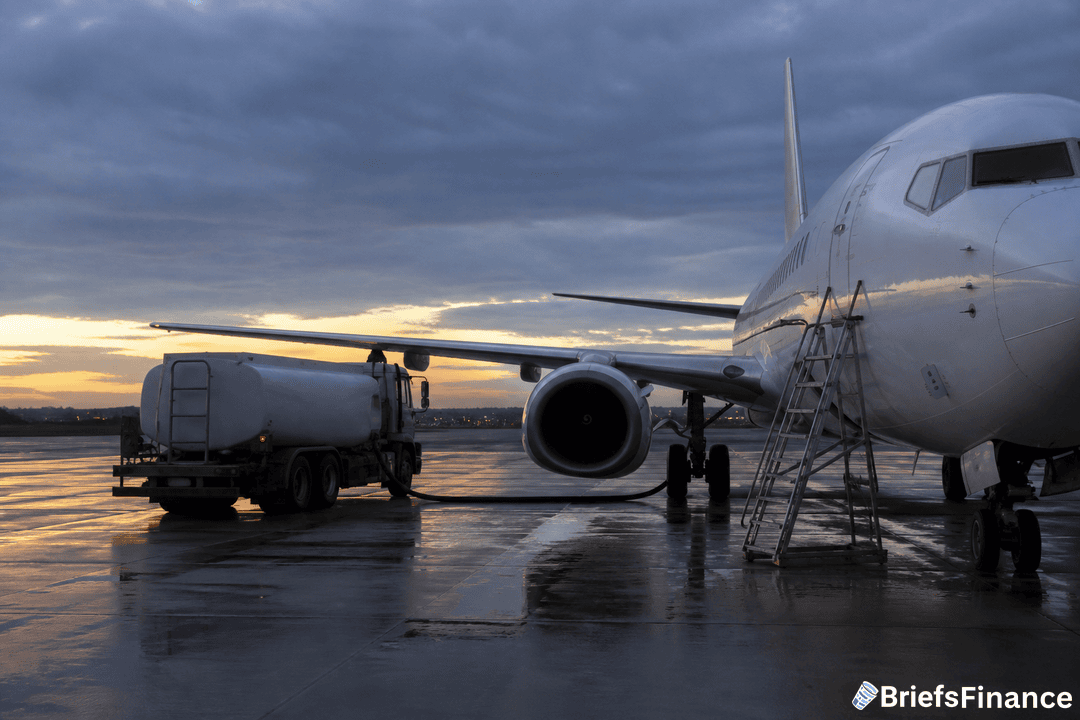
Fuel expenses surged by NZ$135 million due to geopolitical tensions disrupting oil markets, while prolonged engine issues - particularly with specific models - forced the airline to ground aircraft and secure costly short-term leases. These replacements were less fuel-efficient, compounding the financial strain. CEO Nikhil Ravishankar acknowledged the difficulties, stating, "This has been a very challenging year for aviation," and emphasized the airline's focus on "disciplined spending and strategic route planning" to navigate the headwinds.
The Path Forward
While the worst of the engine disruptions may be subsiding, Air New Zealand still faces significant hurdles. Lease agreements for replacement aircraft are expected to cost up to NZ$90 million in 2027, and fuel prices remain stubbornly high. The airline has cautioned investors against expecting a rapid rebound, framing the coming year as a transitional phase.
Rates, prices and policy all end up in your budget eventually. Get the free Market Briefs daily newsletter and see it coming.
The airline's ability to recover hinges on two key factors: reducing reliance on leased aircraft and maintaining steady passenger demand. Industry analysts note that travel sentiment remains resilient, but another oil price surge or a drop in ticket sales could derail progress. Air New Zealand's cost-cutting measures, including route optimizations and deferred capital expenditures, will be tested in the months ahead.
Investor Takeaways
Air New Zealand's struggles mirror broader sector challenges - volatile fuel costs, high operational fixed expenses, and razor-thin margins. For shareholders, the next year will be critical. Monitoring the phase-out of leased planes and the airline's capacity to offset fuel expenses with revenue will be essential.
The carrier's outlook underscores the fragile nature of airline economics. While management has taken steps to stabilize operations, external factors like oil markets and global travel demand will play an outsized role in determining whether 2027 marks the beginning of a rebound or another year of turbulence. Investors should brace for a gradual recovery, with profitability likely remaining elusive until fuel and lease pressures subside.