Symbolic Gesture Escalates Bilateral Tensions
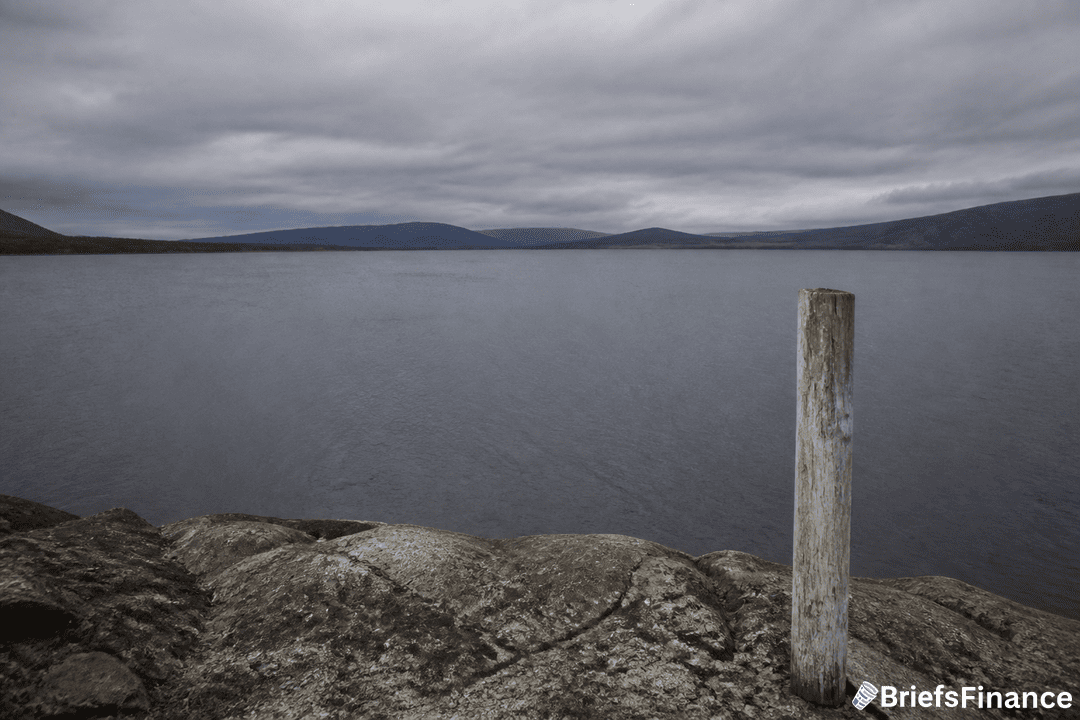
President Donald Trump signed an executive order unilaterally renaming Lake Ontario as "Lake America," marking his second such geographic rebranding after redesignating the Gulf of Mexico in 2026. The White House confirmed the order directs Interior Secretary Doug Burgum to update U.S. government maps and databases.
Canadian Prime Minister Mark Carney responded defiantly on social media, writing, "We know that America is changing. Their trading relationships, their foreign policies, their national monuments, their hydronyms. Canadians also know that naming reality means calling it Lake Ontario - then, now and always."
The move coincides with fresh U.S. tariffs targeting Canadian aluminum and timber exports, prompting Ottawa to announce matching retaliatory measures effective September 8.
Economic Fallout for Cross-Border Industries
The deepening trade rift threatens industries reliant on seamless U.S.-Canada commerce, particularly automotive and manufacturing sectors. Supply chain analysts warn companies face costly delays and paperwork burdens as tariff enforcement begins. Some domestic producers could benefit from reduced import competition, though consumer prices may rise.
Rates, prices and policy all end up in your budget eventually. Get the free Market Briefs daily newsletter and see it coming.
Lake Ontario serves as a vital conduit for billions in annual cargo shipments via the St. Lawrence waterway, a key route for grain, iron ore, and containerized goods. While the name change won't alter navigation protocols, shippers fear additional bureaucratic hurdles if customs procedures reflect the new designation.
Investors should review earnings guidance for companies like automakers and agricultural exporters, which often revise forecasts during trade disputes.
Historical Parallels and Diplomatic Stalemate
This isn't the first time shared waterways have become geopolitical flashpoints. The two nations resolved a 1980s fishing rights dispute in the Gulf of Maine through international arbitration, while a 1909 boundary waters treaty prevents unilateral alterations to shared resources. Legal experts note that without Canadian buy-in, the "Lake America" designation holds little practical weight beyond U.S. documents.
With tariffs taking effect soon and neither side showing flexibility, businesses face a narrowing window to adjust supply chains. Past trade spats between the allies typically ended in negotiated compromises, but the current hardening of positions suggests prolonged friction.
For markets, the key question is whether symbolic actions like renaming presage lasting policy shifts. Portfolios with heavy North American trade exposure should brace for volatility through 2026.