The Rebuilding Plan
A nonprofit called Uplifters Foundation is tackling Southern California's housing crisis with an unusual approach - building luxury homes in fire-ravaged neighborhoods using municipal bonds. Their plan calls for constructing 60 houses in Pacific Palisades, each priced at $3 million/), with funding coming from up to $250 million in bonds.
The Los Angeles City Council has already approved resolutions supporting the bond issuance, arguing it helps restore property tax revenue without putting taxpayer money at risk. The bonds won't create any financial obligations for the city or its residents.
Why This Approach Matters
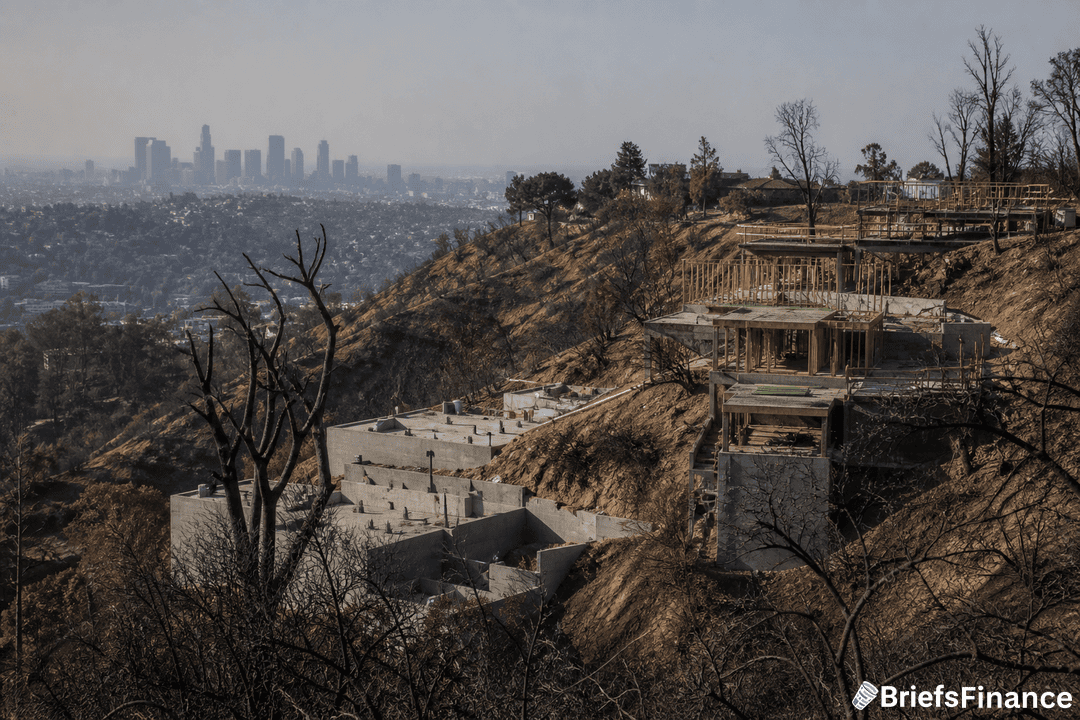
The Pacific Palisades neighborhood suffered catastrophic damage during early 2025 when back-to-back wildfires tore through the region. These disasters resulted in 31 fatalities and unprecedented destruction, wiping out thousands of homes while triggering massive insurance claims. Nearly three years later, recovery has been slow - only 42 rebuilt homes in Pacific Palisades have received occupancy certificates so far, with permits issued for just one-third of the destroyed properties.
The money story behind the headlines is usually the part that matters. Join Market Briefs free and get it every morning.
Vacant lots in the neighborhood now sell for about $2 million on average, often to developers planning high-end projects. Uplifters' plan stands out because the homes will average 2,600 square feet with three to four bedrooms - smaller than most post-fire construction in the area.
Financial and Community Impact
The bond-funded initiative represents an experimental solution to the dual challenges of housing shortages and disaster recovery. By targeting affluent buyers, the project aims to quickly restore property tax revenue while avoiding direct public funding. This comes amid broader struggles to rebuild; many displaced residents have faced insurance shortfalls, construction delays, and zoning disputes that have slowed the area's recovery.
Uplifters co-founder Steven Dietz explained their rationale: "If it works, it becomes a model for other communities to pursue." The first homes aren't expected to be ready until 2028. They'll initially be offered as rentals, with purchase options that include incentives to encourage long-term ownership over flipping.
While acknowledging these won't be affordable homes, organizers believe the model could demonstrate how public-private partnerships might accelerate rebuilding after disasters. The key test will be whether this approach can create stable neighborhoods while delivering faster results than conventional reconstruction efforts.