The AI Arms Race Heats Up
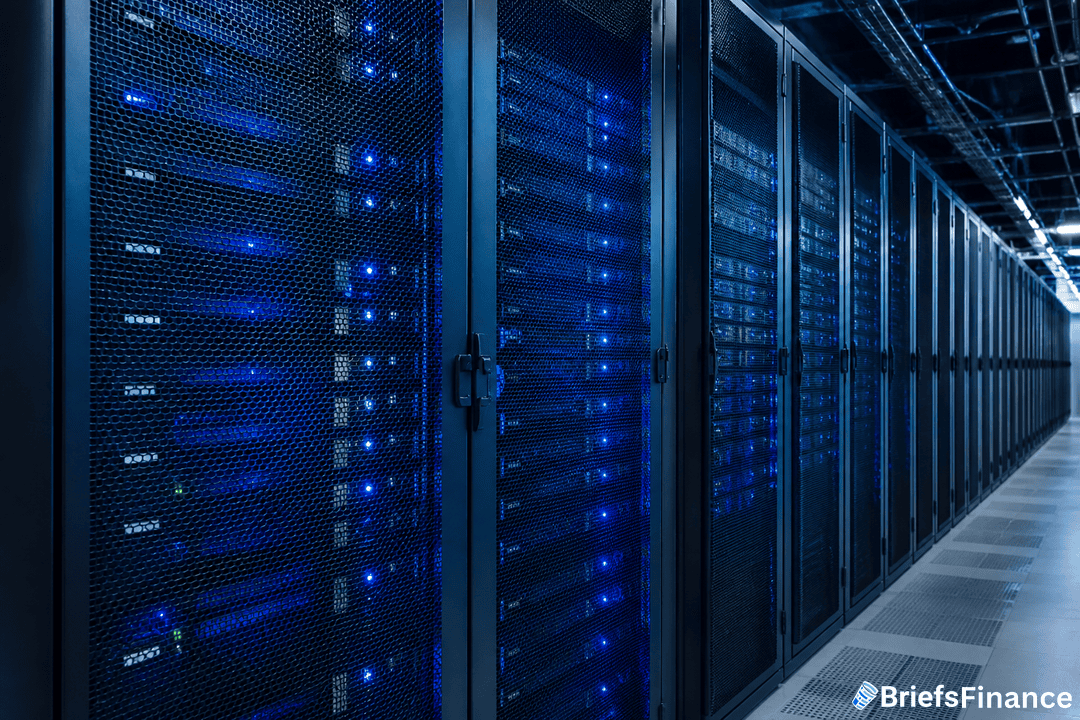
Amazon just made its biggest bet yet on artificial intelligence. The company tripled its order of Nvidia's advanced chips, adding 2 million more GPUs to its earlier commitment of 1 million. These processors - including Nvidia's upcoming Blackwell Ultra, Rubin, and Rubin Ultra models - will begin rolling out to Amazon Web Services data centers in 2027.
The deal goes beyond chips. Amazon will also use Nvidia's networking gear, robotics platforms, and data processing software across its cloud infrastructure. Even the company's warehouse robots will get an upgrade with Nvidia's Omniverse and Isaac systems.
Why does it matter? Five months ago, a 1-million-chip order seemed massive. Now it looks like a warm-up. The rapid scaling reflects intensifying competition among cloud providers to secure AI hardware before supply constraints emerge.
Nvidia's Dominance in AI Hardware
Nvidia's financial performance underscores its central role in the AI boom. The company reported $96.2 billion in Q2 revenue, with data center sales more than doubling year-over-year. Analysts project $108 billion in sales next quarter, driven by demand for its latest GPU architectures like Rubin.
Understanding what moved a market beats knowing that it moved. Get the free Market Briefs daily newsletter and follow the drivers.
During a May earnings call, CEO Jensen Huang highlighted the company's expansion into new markets, stating, "We've identified a brand-new $200 billion total addressable market." Nvidia has also earmarked $279 billion for future data center supply chain investments, signaling confidence in sustained growth.
The chipmaker's ability to consistently deliver cutting-edge architectures has made it the go-to supplier for tech giants. Its upcoming Rubin platform, expected in 2025, promises further performance leaps for AI workloads.
What It Means for Investors
Cloud providers like Amazon aren't just buying chips - they're securing the foundation for AI's next decade. Tripling its order in months reveals Amazon's urgency to avoid shortages as competitors like Microsoft and Google aggressively stockpile hardware.
For Nvidia, the deal cements its status as the indispensable AI infrastructure provider. Amazon's move also suggests the cloud wars are entering a new phase, where compute power could become a bottleneck. Investors should note that these billion-dollar bets are early indicators of AI's long-term trajectory, not short-term hype.
The bottom line: When tech giants race to lock up supply chains, it's a sign the AI revolution is just getting started.