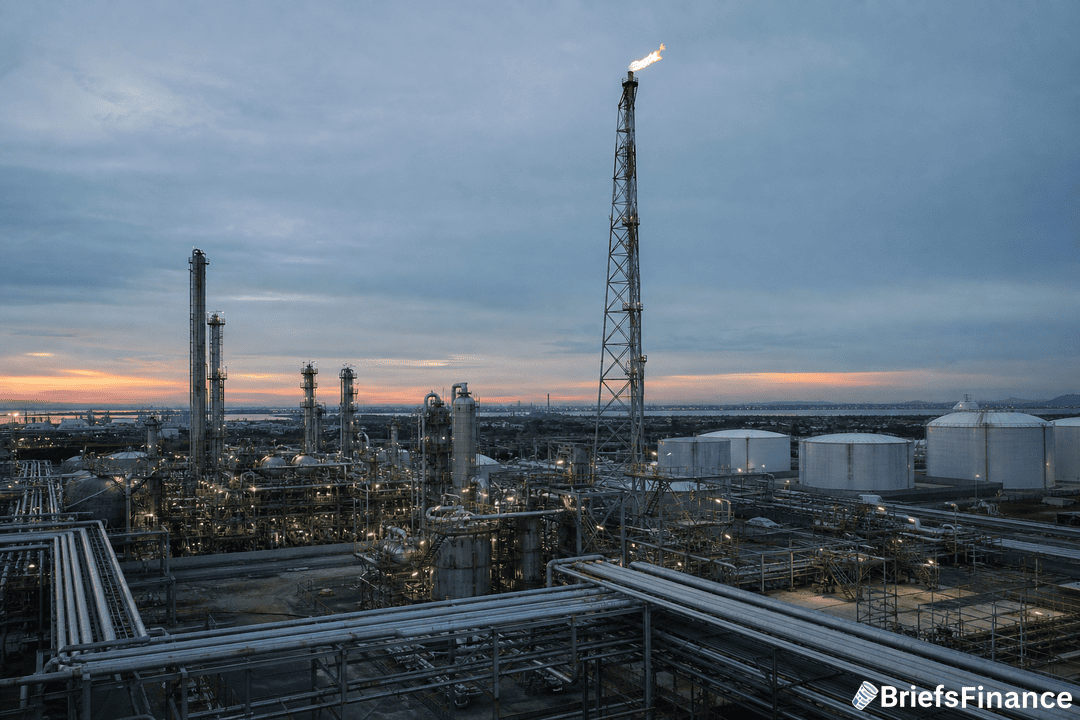
Failed Divestment Efforts
Shell Plc has discontinued talks with Poland's Unimot SA over the potential sale of its minority share in PCK Raffinerie GmbH, as confirmed by insiders. The negotiations stalled months ago, with neither party publicly addressing the outcome.
The Schwedt refinery's ownership has been in flux since Germany cut energy ties with Russia in response to the Ukraine invasion. Rosneft PJSC retains majority control, while minority shareholders Shell and Eni SpA have struggled to find buyers for their stakes.
Supply Chain Adjustments
Operations at Schwedt have been further complicated since Russia halted Kazakh crude shipments through the Druzhba pipeline in May. To compensate, the refinery now processes South American oil delivered via Gdansk port in Poland, maintaining roughly 80% of its capacity.
The German government's proposal to enhance the Rostock pipeline as a supply alternative was rejected by the EU, forcing greater reliance on Polish infrastructure.
Geopolitical and Operational Challenges
The refinery's struggles reflect broader disruptions in European energy markets. Before the 2022 invasion, Schwedt sourced most of its crude from Russia via the Druzhba pipeline. The abrupt cutoff forced a costly pivot to alternative supply routes, including seaborne imports from South America. This shift has increased logistical expenses and highlighted the vulnerability of refineries reliant on Russian infrastructure.
Understanding what moved a market beats knowing that it moved. Get the free Market Briefs daily newsletter and follow the drivers.
Shell's failure to offload its stake underscores the persistent hurdles facing European refineries as they adapt to severed Russian supply networks. The Schwedt facility's dependence on Polish logistics highlights the geopolitical and operational complexities reshaping the region's energy landscape.
Germany's Federal Network Agency, overseeing Rosneft Deutschland under trusteeship, declined to comment. Eni SpA, the other minority stakeholder, continues seeking an exit but has yet to secure a deal.
The impasse reflects wider struggles in European energy markets, where refineries once dependent on Russian crude now grapple with higher costs and uncertain supply routes. Resolving ownership disputes and securing stable feedstock remain critical for Schwedt's long-term viability.
For strategic insights on navigating volatile energy markets, explore Market Briefs.
Energy transitions take time - stay informed with data-driven analysis.