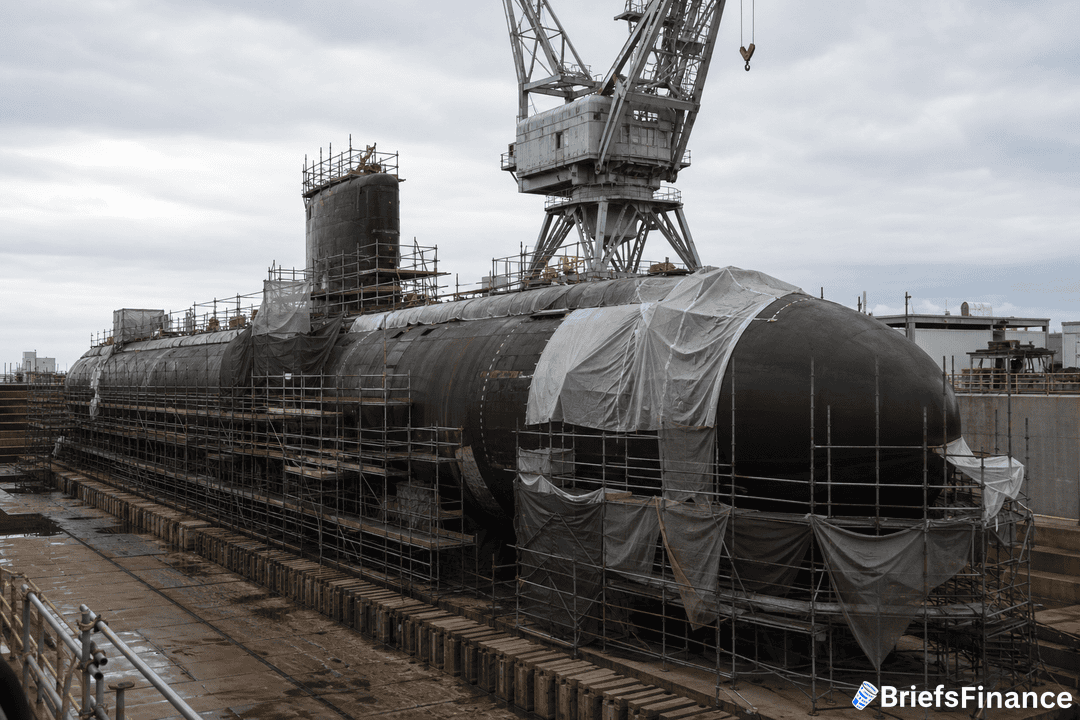
The Growing Backlog
The US Navy's submarine fleet is experiencing lengthy maintenance delays, with some vessels waiting up to four years for repairs. According to a Government Accountability Office (GAO) report released on August 27, 2026, these delays have cost the Navy $3.4 billion over the past decade in lost operational readiness.
Since 2016, submarines have missed approximately 15,000 operational days while waiting for repairs. In 2023, the Navy lost the equivalent of five submarines due to "active idle time" and upkeep delays. By 2025, the figure improved slightly to the equivalent of two submarines, totaling 753 idle days.
Why the Bottlenecks?
The Navy operates 44 Los Angeles-class and Virginia-class attack submarines. Maintenance is conducted at just four naval shipyards, where a lack of available dry docks forces submarines to wait near berths - fully crewed but unable to deploy.
Diana Maurer, the GAO official overseeing the report, explained: "Our report found costly and lengthy maintenance delays since 2016 have eroded the readiness of the submarine fleet. Over the past decade, these delays have cost the Navy - and taxpayers - billions of dollars, and meant fewer subs are available to meet national security needs."
The backlog underscores a critical shortage of dry docks in US shipyards, particularly as China expands its shipbuilding capacity. The administration has attempted to mitigate the issue through subsidies and tax breaks, as reported by Bloomberg Government.
Rates, prices and policy all end up in your budget eventually. Get the free Market Briefs daily newsletter and see it coming.
Long-Term Readiness Challenges
These delays have severely impacted the Navy's ability to respond to global threats, especially amid rising tensions in key regions. The GAO warns that the problem will likely escalate in the coming years, despite submarines being a strategic advantage against near-peer competitors like China.
The Navy has struggled to modernize aging infrastructure, with shipyards often operating beyond capacity. Without additional dry docks or private sector partnerships, the backlog could further undermine fleet availability.
What Comes Next
While the Navy has reduced delays since 2023, the backlog remains a costly burden. Taxpayers continue to fund inefficiencies, and fleet readiness remains below optimal levels.
For investors, the report highlights persistent challenges in military infrastructure. Defense contractors involved in shipyard upgrades may benefit from sustained demand, but without expanded capacity, delays - and their financial toll - will linger.