Two-year Treasury yields dropped by up to 14 basis points to 4.14%, heading for their largest single-day drop since February. Following the weaker-than-expected inflation figures, bond prices rose and investors reduced expectations for near-term Fed rate increases.
"It's a broad-based downside surprise," "said Dan Carter, senior portfolio manager at Fort Washington Investment Advisors". "Near-term hikes are off the table. The market has been fearful of a hot print, so this should be supportive for bonds and re-steepen the curve. Our base case is the Fed will remain on hold. This print supports that notion."
The rally in Treasuries on Tuesday was on track to wipe out over 2% of the losses accumulated since late February, when the US and Israel launched strikes on Iran, according to Bloomberg data.
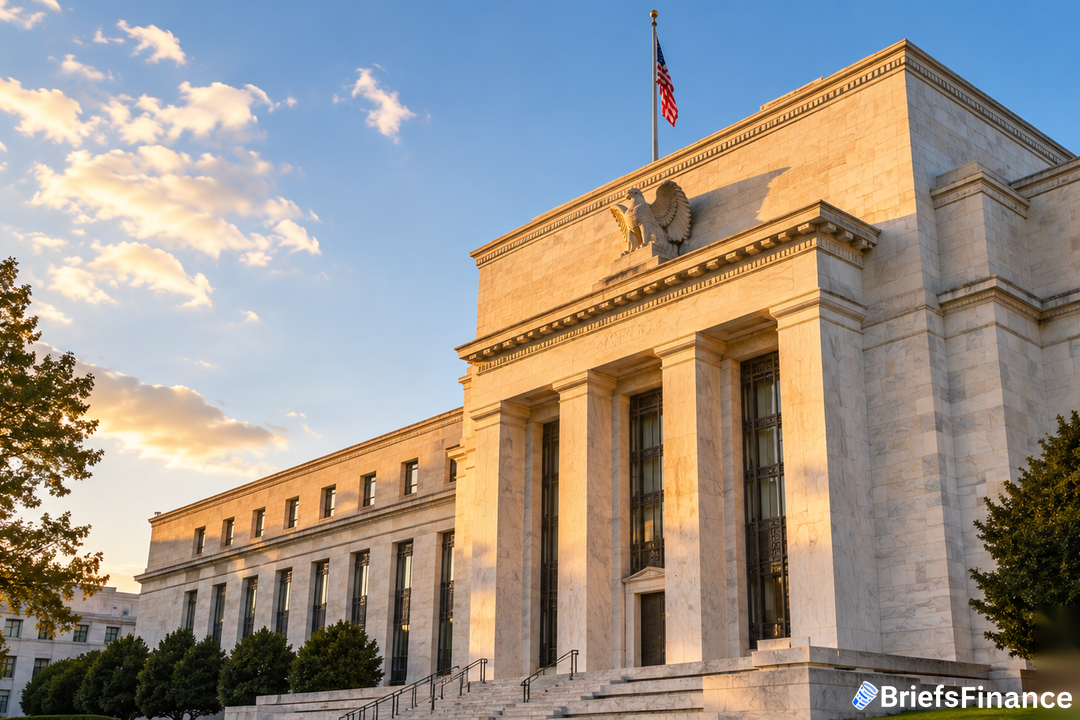
Federal Reserve Chair Kevin Warsh is set to appear before the House Financial Services Committee in the capital this week. In previous public statements, Warsh has been reluctant to forecast the central bank's policy path. He plans to inform Congress that the Fed will not accept persistent price pressures. Derivatives markets indicate investors expect a 25-basis-point rate increase by October.
Get the market news that matters in a five-minute read with Market Briefs, our free daily newsletter
"Today's print should allow some breathing room," "said Christopher Hodge, chief US economist at Natixis". "After coming out swinging as a hawk, a hotter-than-expected CPI print could have backed him into a corner and forced a hike."
This week, fresh attacks on vessels in the strategic waterway of Hormuz lifted Brent crude above $87 per barrel, a level not seen in a month.
Market Context and Outlook
The softer inflation figures come after months of elevated price pressures that had kept the Federal Reserve on edge. While the June CPI report provides some relief, core inflation remains well above the central bank's 2% target, suggesting policymakers will keep rates elevated for an extended period. The bond market's reaction underscores how sensitive traders remain to any sign that inflation is cooling, as even a modest downside surprise can shift expectations for the next Fed move.
Meanwhile, geopolitical risks in the Middle East continue to inject uncertainty into energy markets, which could complicate the inflation outlook in the months ahead. The combination of weaker-than-expected CPI, a still-hawkish Fed posture, and rising oil prices creates a complex backdrop for fixed-income investors.
The decline in the two-year yield marks a notable repricing of rate expectations, with swap markets now pricing in a prolonged pause rather than further tightening. Yet the persistence of core inflation above 2% and the potential for energy-driven price shocks mean the Fed cannot fully declare victory.
Implications for Financial Markets
The steepening of the yield curve that Carter referred to reflects a market belief that shorter-dated yields will fall further as rate-hike bets recede, while longer-term yields remain anchored by inflation uncertainty. Lower Treasury yields typically translate into cheaper borrowing costs for businesses and homeowners, potentially stimulating economic activity. However, the Fed's commitment to maintaining restrictive policy until inflation is sustainably at 2% means any easing in financial conditions may be short-lived if price pressures re-emerge. Investors should watch the upcoming Warsh testimony for any shift in tone.
Join Market Briefs, our free daily newsletter, for a quick daily rundown of the markets