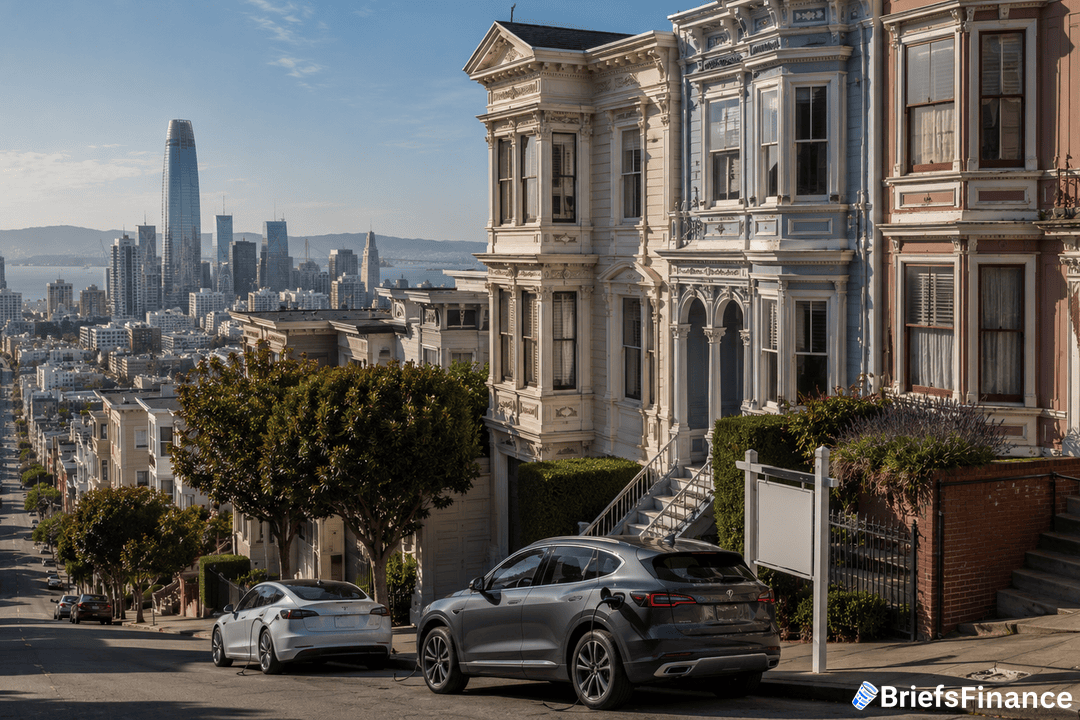
Since 2021, San Francisco has been the second-most expensive rental market in the country. Now it's tied with the first, with the average rent for a two-bedroom in San Francisco just hitting $5,500 a month, exactly what a two-bedroom costs in New York City.
The catalyst is the same name driving everything else this year, which is artificial intelligence.
What Changed
OpenAI and Anthropic are hiring fast, and they're hiring at salaries that look more like investment banking than tech, with most of the broader Bay Area AI ecosystem following the same pay curve. That's the demographic moving in.
The median household income for 25 to 44 year-olds in San Francisco is now $199,547 according to Census data, and those buyers are paying cash up front for rentals and bidding multimillion-dollar homes auction-style.
The other side of the equation is supply, where San Francisco's vacancy rate dropped to 3.3%, down half a percentage point from last year. New housing construction has stayed flat, which means demand keeps rising while supply doesn't, and the result is the rents we're seeing now.
For investors thinking about REITs, the constrained supply story matters as much as the demand boom. Limited supply is what keeps Bay Area landlords pricing for power.
To track the cities and sectors where AI money is actually landing without reading 14 different SaaS newsletters, join Market Briefs here. Comes with a free investing masterclass when you join.
Where The Heat Is
Not every San Francisco neighborhood looks the same. SoMa and Mission Bay, the two neighborhoods closest to the big AI offices, saw rent growth above 10% year over year in late 2025, while other parts of the city moved less.
This is the same pattern New York saw when Wall Street rebuilt itself around hedge funds in the 2000s, where the money concentrates in a few zip codes, and then everything around it gets pulled up too.
San Jose, by comparison, has stayed relatively stable. The new wealth is not flowing into the suburbs the way it did during the last tech boom, since it's parking in the city itself.
For renters, the math is brutal, which is why the old renting vs. buying decision looks different in this market than it does in most other US cities.
What To Watch
Two things will tell investors whether this is a 2026 story or a longer rotation, starting with whether AI hiring keeps pace into 2027. The second is whether San Francisco actually builds.
Permits issued and units delivered are the only two numbers that will fix this. Until then, the new floor for rent in San Francisco is the same as Manhattan.
Sign up for Market Briefs here for the daily market read, plus a free 45-minute investing course on the house.