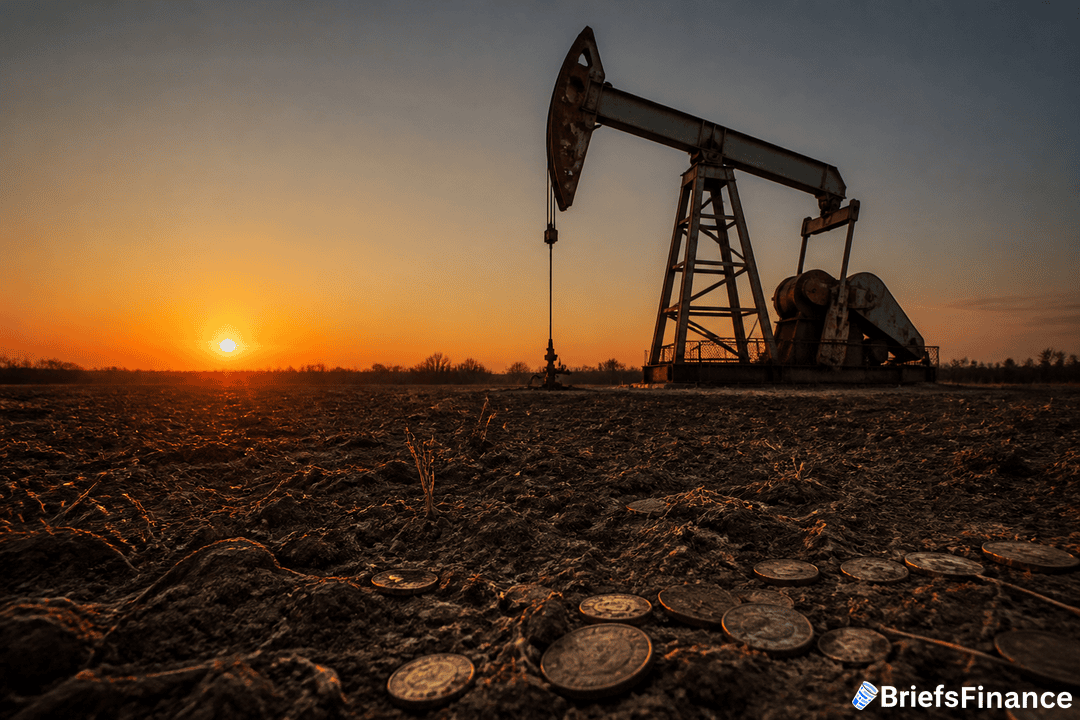
Cash is still moving through the Permian Basin, though at a slower pace than before. The message is clear, a company spokesperson said: "The company wants investors to keep getting paid while it pushes production and pipeline plans through 2027." The Permian Basin is the heart of U.S. oil production. This company's operations there are central to its cash flow, but the recent drop in crude prices and refining margins has squeezed profits across the sector.
The decision to maintain a large shareholder payout despite the earnings decline reflects confidence in long-term demand, even as it ramps up spending on new infrastructure.
The Big Picture for Oil
Diamondback Energy is a major player in the Permian Basin, so its financial results give a broad view of the industry. When it reports a steep profit drop, it is not just one company having a bad quarter. It usually means the price of oil is doing something challenging.
These results come after a period of volatile global energy markets. Crude prices swung as the industry balanced supply and demand, while refining margins narrowed as fuel consumption softened.
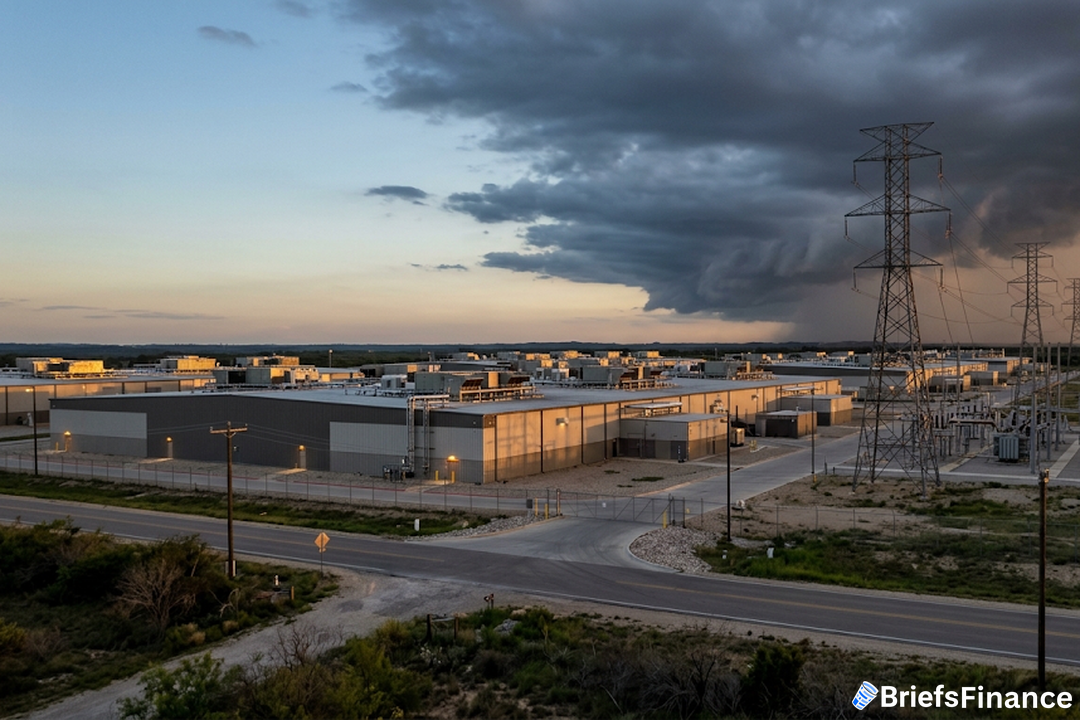
For a company of this size, even a small shift in those numbers can move annual profit by billions of dollars. The company also updated its long-term plans. The average wait time to get connected to the grid is 950 days.
The best financial decisions come from understanding the whole picture. Join Market Briefs free and get the full brief each morning.
But here is the wrinkle: rising output does not automatically mean rising profits. Natural gas emerges alongside oil extraction, and with increasing gas-to-oil ratios, the region remains set to be the top-growing gas basin. It is like a diner serving more customers while making less on each order.
What It Means for Your Portfolio
This is where it gets relevant to anyone who owns energy stocks or broad index funds that hold them.
Big oil companies are finally opening the wallet again, spending on refineries and gas plants. That kind of spending usually lifts equipment makers, builders, and other companies that serve the industry. The upcoming shareholder payouts are another signal.
A company that keeps paying even through an earnings slump is often trying to tell the market it sees smoother days ahead based on its own forecasts. The catch: none of that works if oil prices keep falling. The company's plans assume a market that stays stable. If prices drop faster than expected, those targets could get harder to hit.
What This Means for Investors
The key question is what you do with this information.
You do not need to dump an energy fund or chase one. Just understand that oil prices and production are separate forces, and they do not always point the same direction. For everyday investors, this is a reminder that energy companies can be solid money generators even when their headline profit numbers shrink.
The dividend payout is a sign management still has confidence in the cash coming in the door. When a company as big as this one trims its expectations, it is worth paying attention. The next earnings report will show whether the oil market starts cooperating, or whether the squeeze continues.
Even as payouts shrink, the company's infrastructure investments and steady cash flow suggest it is positioning for long-term stability. The Permian Basin's role in U.S. energy production remains central, and the company's ability to maintain shareholder returns through a downturn underscores its financial resilience. Investors should watch whether crude prices stabilize and whether the region's power constraints ease, as these factors will likely shape the next few quarters.
Markets move every day, and most of it never reaches you in time. Get the free Market Briefs daily newsletter and stay ahead of it.