Six European Leaders Unite Against Settlement Plan
Six European leaders came together Thursday to reject Israel's newest West Bank settlement expansion. The group, which included French President Emmanuel Macron, German Chancellor Friedrich Merz, Italian Prime Minister Giorgia Meloni, and UK Prime Minister Andy Burnham, called the plan unacceptable and urged companies not to bid on related construction work.
"We urge the government of Israel to retract these plans immediately and end its expansion of settlements in the West Bank," the leaders said in a joint statement. "Not only will they take us further from peace, but they further undermine Israel's international standing."
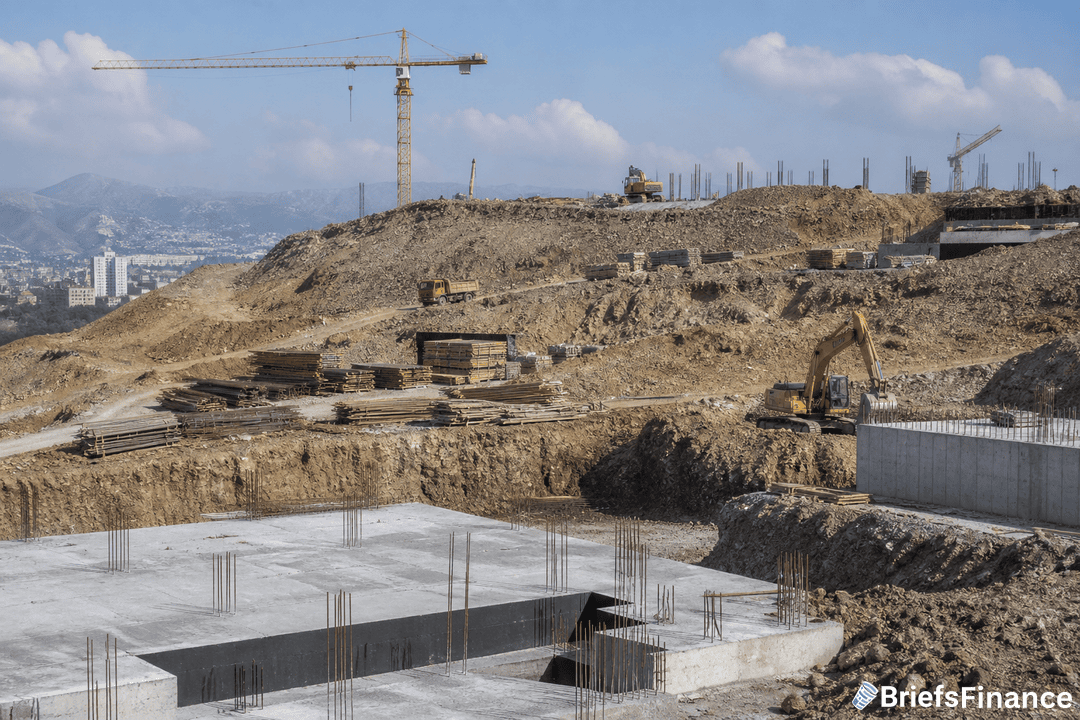
The move follows Israel's decision to open construction tenders for 1,200 settlement homes at E1, an area of the West Bank east of Jerusalem. The project would cut through the West Bank and break up Palestinian territory, making a two-state solution nearly impossible.
Legal and Reputational Risks for Businesses
European leaders are not just issuing a political statement. They are warning companies about the consequences of getting involved. A statement from Macron's office was blunt: "Businesses should not consider bidding for construction tenders".
Geopolitical news can rattle markets, so grab the free Always Be Buying E-Book to stay on course
"They should be aware of legal and reputational consequences including the risk of involving themselves in serious breaches of international law," the statement added.
The warning is not empty. The UK said earlier Thursday it was preparing targeted sanctions against Israelis involved in illegal construction in Gaza and the West Bank. The EU has already sanctioned extremist Israeli settlers, but member states remain divided over suspending the EU-Israel association agreement, which covers trade, economic, and political cooperation.
"The E1 settlement will undermine the prospect of the two-state solution by driving a wedge through the West Bank and harming the territorial contiguity of the Palestinian Territories," the leader said.
What the Election Could Change
Israel is scheduled to hold a general election on Oct. 27. That vote could reshape the government's approach to settlements and international pressure. Israeli Finance Minister Bezalel Smotrich has celebrated the E1 move, saying it "buries the idea of a Palestinian state."
The Oct. 7, 2023, assault on Israel, which triggered the Gaza war, looms over all of this. German Chancellor Friedrich Merz on Wednesday criticized Israeli National Security Minister Itamar Ben Gvir for calling for targeted assassinations of people from groups involved in that attack.
For investors and businesses, the message from these governments is clear: involvement in settlement construction carries real financial and legal risks. As the election approaches, expect the diplomatic temperature to stay high. Companies weighing bids on Israeli projects should watch how European governments act on their warnings, because the cost of getting it wrong could be steep.
When global tensions rise, get the free Always Be Buying E-Book and let time do the heavy lifting