A Softer Target
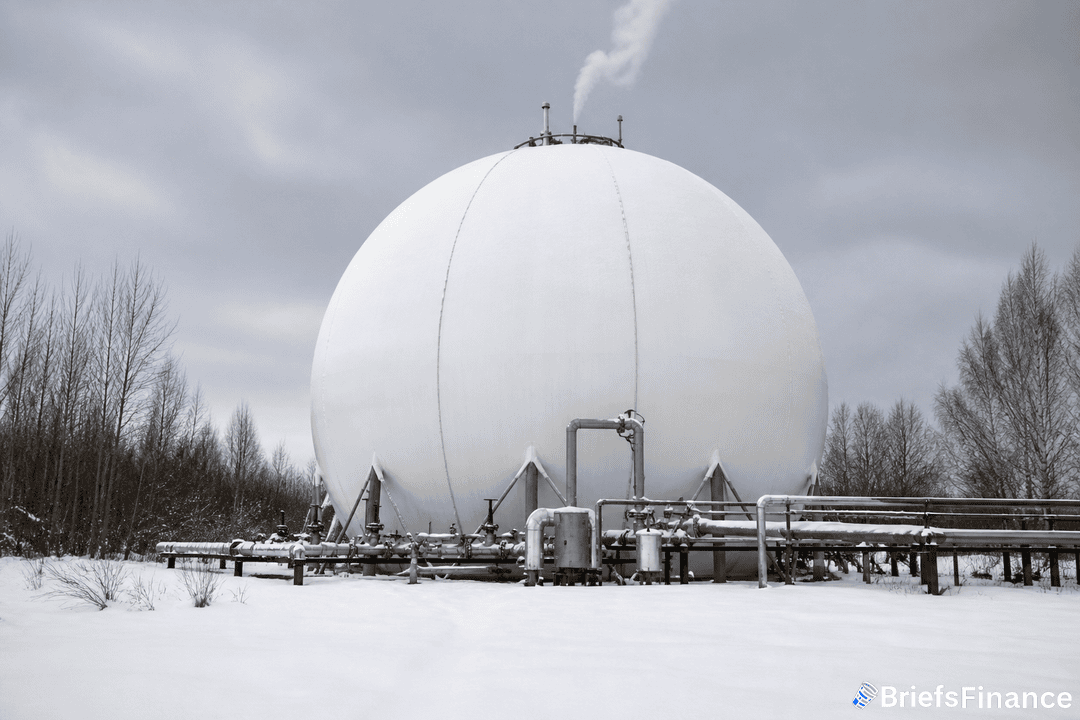
Germany operates the region's largest natural-gas storage network, yet those tanks are only about half full. On Thursday, the government said that can still work.
The Economy Ministry said the country could enter winter with storage 60% to 70% full and still meet normal demand, as long as extra imports are available. It also said the government could and would respond if the security of supply came under threat.
The softer line reflects the lessons of the 2022 energy crisis, when price spikes led to binding storage targets. A lower fill level is now seen as workable if other supply routes stay open.
The message is quieter than the one from earlier in the week. Grid operators said a roughly 70% target for winter fuel reserves was nearly impossible to reach. The ministry's new range suggests some of the tanks can start the season at lower costs. It's a signal to the market that the 75% level is no longer the target, and the cushion will be smaller.
Why the Tanks Are Low
Europe as a whole is running with even less. Germany's tanks, the largest in the region, sit near half, which is below the 60% to 70% range.
The money story behind the headlines is usually the part that matters. Join Market Briefs free and get it every morning.
The problem is not a lack of space. Middle East supply disruptions are discouraging traders from buying and locking gas away. Why store gas if you cannot be sure of supply? The tanks remain only partly filled, and prices have already reacted.
Winter gas contracts are priced at more than double last year's level. They're still far from the worst 2022 energy crisis peak, but that math may not hold. If Middle East issues keep pushing prices and Europe has to compete with Asia for cargoes, the cost of winter's cushion is going up.
Rules That Are Hard to Meet
European rules require storage to be 75% full before winter. This is not a new rule: it was a direct result of the 2022 crisis and allows for some country-specific exceptions.
Germany's numbers are nowhere near that line. The government says it does not expect shortages, but is watching very closely. The threat of the Strait of Hormuz is on its list for that. If the waterway is ever more closed, the price will go up and hit Germany with more volatility.
What That Means for Your Money
Storage works like a battery for winter, when demand for gas can double. A full enough tank keeps you away from the truly slim period of the coldest weeks. The tricky part is the 60% figure works only if the winter is normal and imports flow into the country pretty well.
If that balance breaks, it shows up in household bills, so it moves through the chain of everything that runs on energy. It flows to your electric bill, heating bill, and the cost side of any company, including your portfolio investments.
Lars Klingbeil, Germany's Vice Chancellor and Finance Minister, said: "We see our society as completely vulnerable when we are dependent on fossil fuels." He again pushed for faster expansion of energy. A gas storage tank filled to 60% to 70% could hold enough, but it also means Europe's winter is still connected to the world's shipping lanes and the weather, cannot be hidden in a tank.
Understanding what moved a market beats knowing that it moved. Get the free Market Briefs daily newsletter and follow the drivers.