The U.S.-Iran peace deal is days old, and it is already being tested.
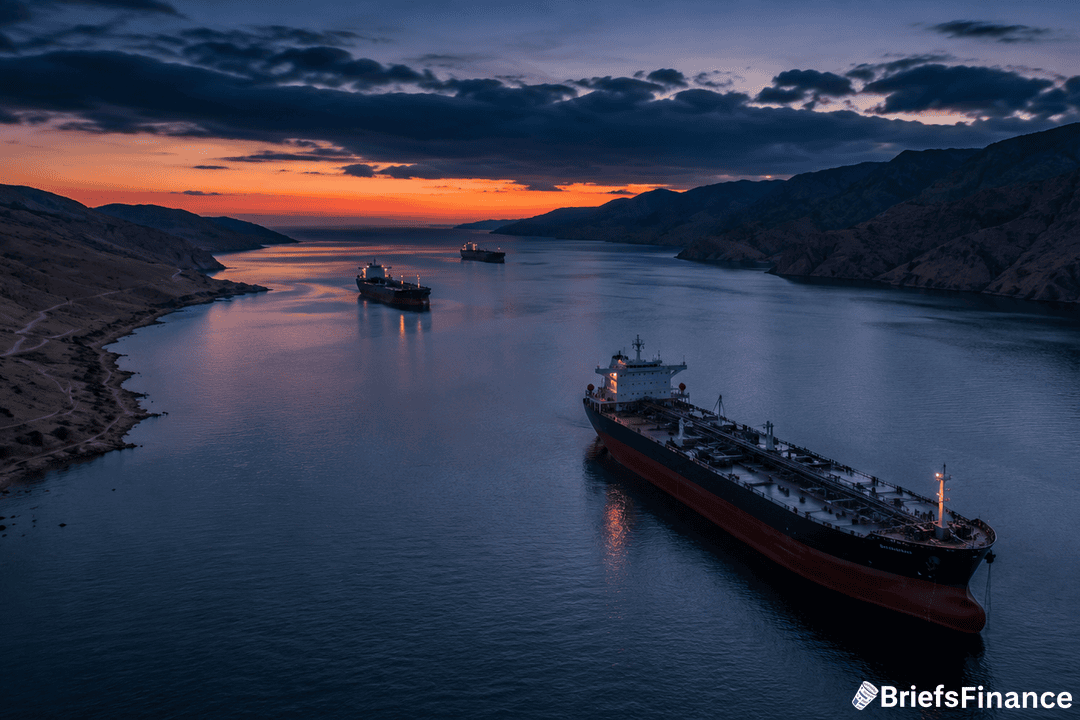
On Saturday, Iran's military declared the Strait of Hormuz closed again - while the U.S. military disagreed and tanker traffic kept flowing.
Iran Blamed Israeli Lebanon Strikes For Saturday's Move
Trump and Iranian President Masoud Pezeshkian reached the interim deal Wednesday after nearly four months of war, committing both sides to an immediate ceasefire, the lifting of the U.S. naval blockade on Iranian ports, and the full reopening of the Strait of Hormuz with no Iranian tolls for at least 60 days - a waterway that carries roughly 20% of the world's oil.
Iran's military named two reasons for Saturday's announcement: continued Israeli operations in Lebanon and what it called U.S. "bad faith."
Iranian state TV said "subsequent steps have been planned" if the strikes do not stop, and hours earlier Israeli strikes in southern Lebanon had killed at least 16 people - including two children - according to AP citing Lebanese authorities.
Seven more people were trapped under rubble in Nabatiyeh.
Market Briefs translates news like this into what it actually means for oil, stocks, and your portfolio - five minutes every morning, plus a free investing masterclass when you sign up.
U.S. Central Command Said Traffic Kept Flowing
U.S. Central Command pushed back fast. Navy Capt. Tim Hawkins, the command's spokesperson, told Reuters: "Iran does not control the Strait of Hormuz. Traffic continues to flow, and U.S. forces are monitoring the situation to ensure this remains the case."
VP JD Vance backed that line on Fox News, saying Jared Kushner and Steve Witkoff were already in Switzerland working through the deal's technical details - and the talks were "going well."
Vance also put a number on Friday's oil flows: 16 million barrels moved through Hormuz, which he said was a record going back to before the war.
Three Open Questions In Switzerland
The Switzerland talks are not about ending the war - that part is on paper - they are about three pieces that decide whether the deal survives.
The first is the uranium question, where Vance said the U.S. team wants to lock down Iran's enriched uranium stockpile in a way that makes it "effectively impossible" for Tehran to rebuild a nuclear program.
The second is the role of Qatari and Pakistani mediators, who are still being formally written into the framework. The third is what happens to Israel's operations in Lebanon, which the deal said had to stop on day one.
Worth Noting
Saturday's events show the deal is already running into the wall every ceasefire eventually hits, with Iran using a public threat to push the U.S. on Lebanon while the U.S. uses public denials to keep the markets calm.
Oil prices have not moved much yet, which means traders are still betting on the deal - and the next three days, Sunday's talks, Monday's tanker counts, and Tuesday's Lebanon update, will tell them whether to keep that bet.
The deal is not broken. It is being tested.
Want the daily read on how geopolitics actually moves markets? Sign up for Market Briefs and a free 45-minute investing course comes with the subscription.