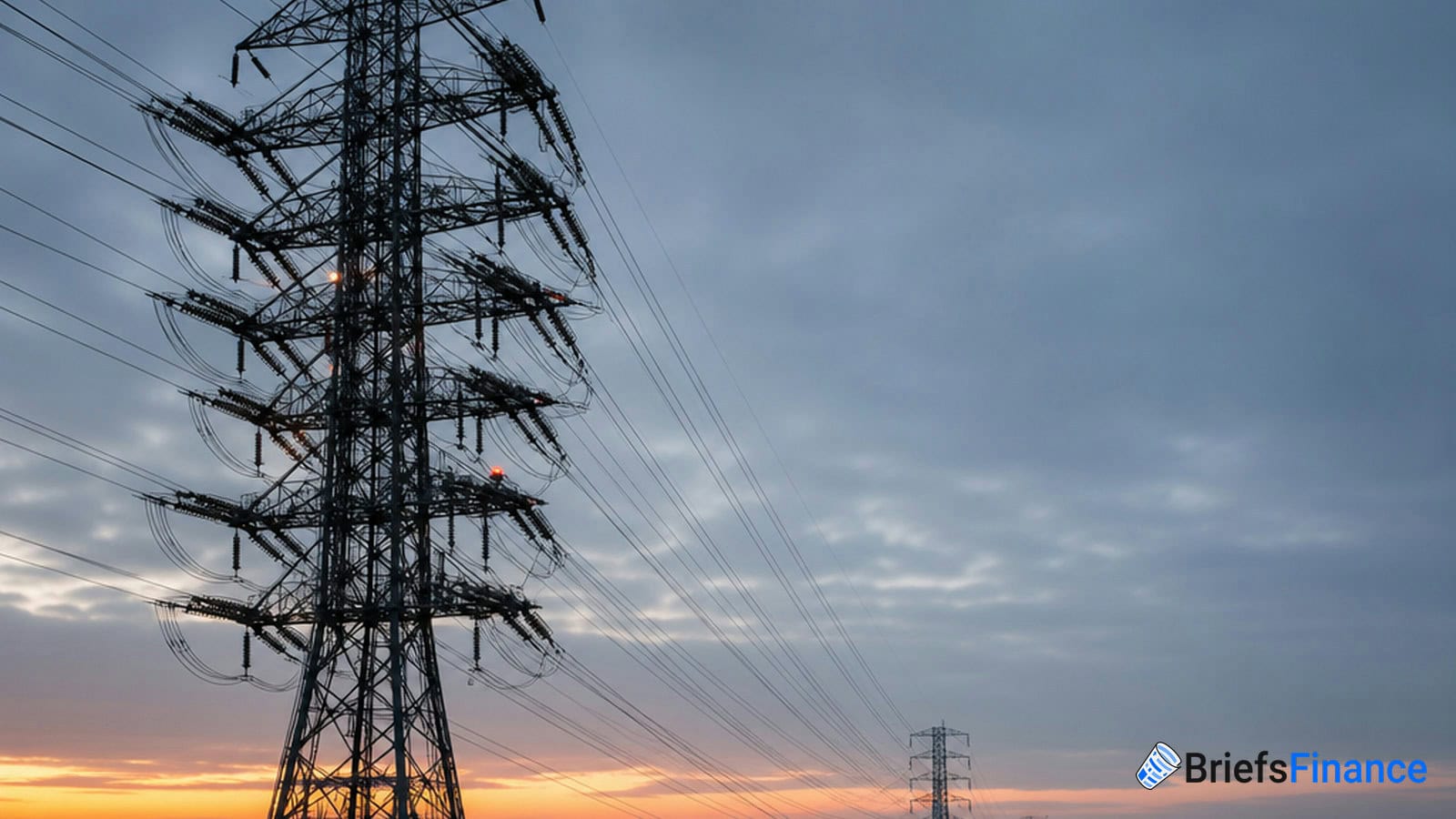
The chair of FERC just told the country its electric grid can't handle the AI buildout.
In her words: it "is not going to work."
The comment came from the regulator that oversees U.S. grid operations - not a tech executive with a stake in the buildout.
What Swett Actually Said
Chair Laura Swett leads the Federal Energy Regulatory Commission, or FERC - the agency that decides how electricity moves across state lines in the U.S.
Her warning was about data centers - specifically, the wave of new ones being built to power AI, which the current grid isn't built to support.
Coming from FERC, that language is notable - the agency tends to speak in careful, hedged terms, which makes "not going to work" a clear break from form.
The math behind her warning is simple: a single large AI data center can pull as much power as a small city, and the U.S. is planning hundreds of them on a grid built for 1990s power demand.
Add it up, and data center electricity demand in the U.S. is projected to double or triple by 2028, according to the Department of Energy.
Most of that growth is tied to AI, which uses far more power per server than regular cloud computing.
We break down which AI plays Wall Street is actually paying attention to in Market Briefs - five minutes every morning, plus a free investing masterclass when you join.
Why This Matters For Investors
The AI trade has mostly been a chip trade - Nvidia, TSMC, and the chip names everyone already knows.
But chips don't run without power, and power doesn't move without power lines, transformers, and substations.
If the grid is the bottleneck, the next leg of AI spending follows it - which puts utilities, grid operators, and power equipment makers in front of a wave of demand they weren't pricing in five years ago.
That's why hyperscalers - the big cloud players like Microsoft, Amazon, and Google - are already cutting their own deals with nuclear plants and building private substations rather than waiting for the grid to catch up:
- Microsoft signed a 20-year deal to restart the Three Mile Island nuclear plant.
- Amazon bought a data center campus next to a nuclear plant in Pennsylvania.
- Google inked a deal with Kairos Power for next-gen nuclear reactors.
These aren't side projects - they're the biggest tech companies in the world admitting the public grid can't deliver power on the timeline they need.
What To Watch
FERC has limited tools - it can speed up permits for power lines, push regional planning, and pressure utilities to upgrade faster.
But grid buildouts take years, and the AI race isn't waiting that long.
The next thing to watch is whether Congress moves on permitting reform. Without it, Swett's warning becomes the ceiling on how fast AI can actually scale in the U.S.
The bottom line: The bottleneck for AI was supposed to be chips - it's turning out to be power.
Join 350,000+ investors reading Market Briefs every weekday morning - you also get a 45-minute investing course thrown in as a bonus.