Free NewsletterPro Login
S&P 500 6,287 +0.42%
DOW 44,521 -0.18%
NASDAQ 21,103 +0.71%
S&P 500 +12.4%
Briefs Finance Fund +24.8%
JOIN THE FUND →

Federal Regulators Just Fast-Tracked AI Data Centers To The Grid

Published Jun 18, 2026
Share:
Summary:
  • FERC ordered six major grid operators to prioritize AI data center connections, with disclosure and rate review deadlines set within 30 to 60 days.
  • The existing power plant connection queue already exceeds the full U.S. power fleet, with average wait times around five years and wholesale electricity rates up as much as 267% over five years.
  • Tech companies including Microsoft, Amazon, and Meta have been pursuing on-site and nuclear-adjacent power deals worth billions as grid delays push costs higher.

AI data centers just got a federal fast lane to the power grid - and the line they're skipping is already longer than the grid can serve.

The Order

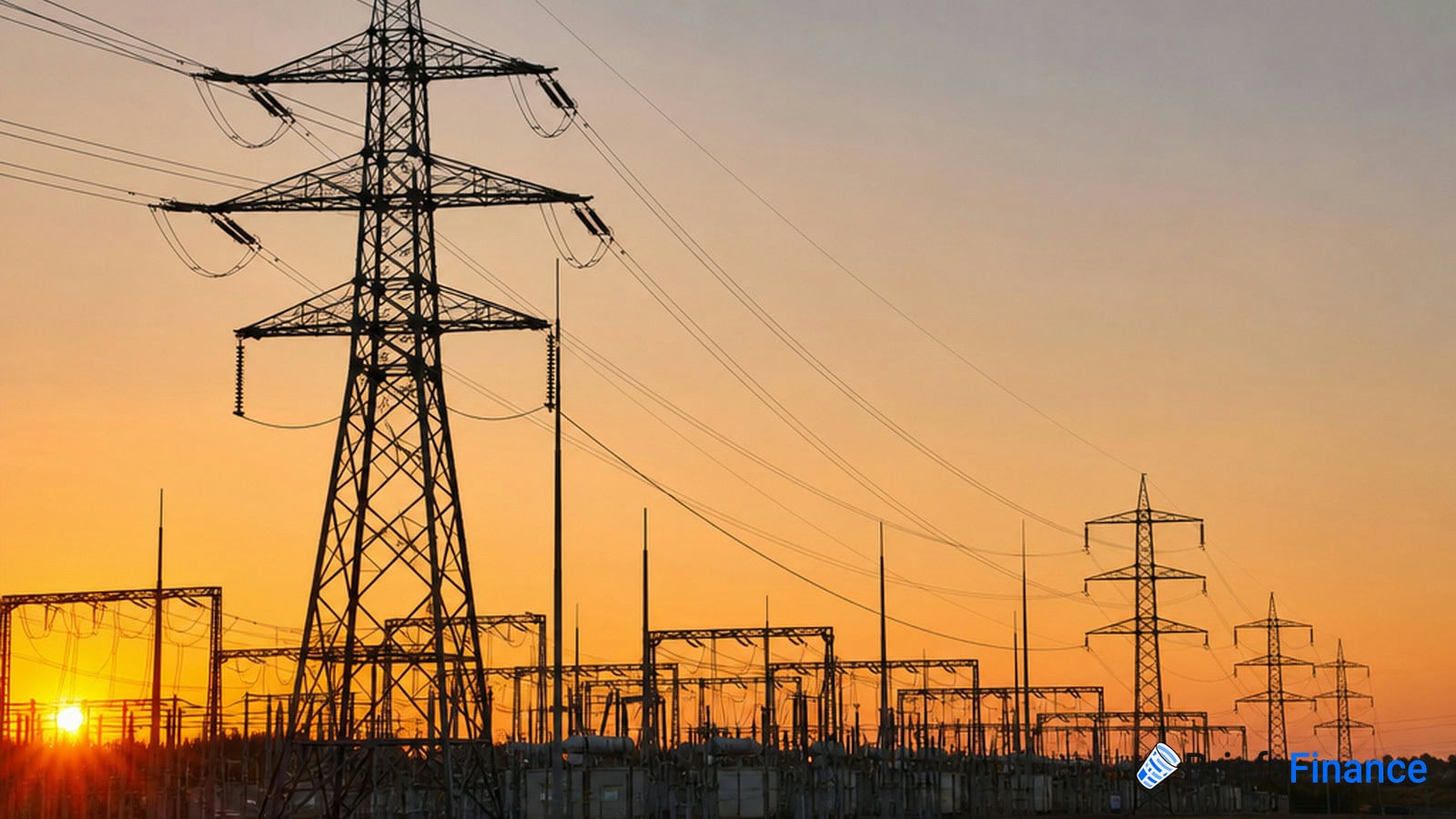
On Thursday, FERC (Federal Energy Regulatory Commission - the agency that regulates the U.S. power grid) unanimously ordered six major grid operators to put data center connections at the front of the line. Those operators - PJM, MISO, SPP, CAISO, NYISO, and ISO-NE - manage the wholesale power markets serving most of the country.

Within 30 days, those operators have to disclose whether they actually have spare power to give, and within 60 days, they have to either justify their current electricity rates or revise them.

Data centers themselves will pick up the cost of plugging in, while the order also tells operators to weigh newer transmission tech - a door cracked open for grid startups working on solid-state transformers and superconducting power lines.

It's one of FERC's most significant moves yet to speed large energy users onto the grid.

Every morning, Market Briefs covers the moves Wall Street is watching in five minutes - plus a free 45-minute investing course when you join.

The Bottleneck It Doesn't Fix

The order speeds up the line, but it doesn't add power to the grid.

By the end of 2023, the queue of new power plants waiting to plug in was already bigger than the entire existing U.S. power fleet combined, with average wait times stretching to about five years.

That bottleneck is already showing up in prices - Bloomberg pegs wholesale electricity rates as high as 267% above where they sat five years ago, with data center power draw projected to nearly triple by 2035.

Residential ratepayers in data center hotspots like Virginia, Illinois, and Ohio have already seen bills climb faster than the national average. FERC's order tries to keep data centers on the hook for their own connections, but utilities will still need to upgrade the broader grid to handle the load.

Energy Secretary Chris Wright leaned on FERC back in October, arguing that connection delays were starting to hurt America's AI position globally - and Thursday's order is the response.

What To Watch

Tech companies that can't wait have been building their own power on-site - more expensive and more complicated, but actually available.

Microsoft cut a deal to restart Three Mile Island for AI workloads, while Amazon and Meta have struck nuclear-adjacent campus deals worth billions. FERC's order tells grid operators to be more accommodating to that approach too, which could push more deals toward on-site setups.

Meanwhile, the Trump administration is steering the country's power mix away from wind, agreeing on Wednesday to pay developer Invenergy $765 million to walk away from offshore wind leases off California, Maine, and New York.

Invenergy plans to redirect that cash into Midwest natural gas plants and Western geothermal projects, bringing the administration's total spend on scrapping offshore wind to about $2.6 billion.

The connections are getting faster, but the power behind them isn't keeping up.

Join 350,000+ investors reading Market Briefs every weekday morning - the daily newsletter comes with a free investing masterclass thrown in.

Disclosure

Get Market Briefs delivered to your inbox every morning for free!

No fluff. No noise. No politics. Just finance news you can read in 5 minutes.

Blogs

June 18, 2026
What Is a Stop Loss Order? A Simple Guide
  • A stop loss order automatically sells a stock once it falls to a price you set.
  • It's a tool to cap losses or lock in gains without watching the market all day.
  • It works best for active strategies, and can backfire if used carelessly on long-term holdings.
Read More
June 18, 2026
Best S&P 500 Index Fund: How to Choose One
  • The best S&P 500 index fund for most investors is simply the cheapest, most established one that tracks the index well.
  • Funds like VOO, IVV, and SPY all hold the same 500 companies, so the biggest difference is the fee.
  • Pick one, automate your buys, and let time do the heavy lifting.
Read More
June 17, 2026
What Are Penny Stocks? Risks and Rewards Explained
  • Penny stocks are very low-priced shares of very small companies, often trading for just a few dollars or less.
  • They promise huge gains but carry huge risks: low liquidity, high failure rates, and wild price swings.
  • Most investors are better served by quality companies and funds than by chasing cheap shares.
Read More
June 17, 2026
Best Stocks for Beginners With Little Money
  • The best stocks for beginners with little money usually aren't individual stocks at all - they're low-cost index funds.
  • You can start with $100 or less and use small, regular investments to build wealth over time.
  • Focus on diversification and consistency, not on picking the next big winner.
Read More
June 16, 2026
Tech Stocks: A Simple Guide for New Investors
  • Tech stocks are companies in the information technology and related sectors, from software to chips to the internet giants.
  • They've driven much of the market's growth, but they can be volatile and richly valued.
  • The smart approach is to understand what you own and not let one sector run your whole portfolio.
Read More
June 16, 2026
What Is a Joint Stock Company? A Simple Guide
  • A joint stock company is a business owned by many people, each holding shares of stock that represent a slice of ownership.
  • It's the basic idea behind every public company you can buy on the stock market today.
  • Owning a share makes you a part-owner, entitled to a piece of the profits and growth.
Read More
June 16, 2026
Capital Gains Tax in California: A Simple Guide
  • Capital gains tax is what you owe when you sell an investment for more than you paid for it.
  • How long you held it matters: long-term gains are taxed more gently than short-term gains at the federal level.
  • Smart investors lower the bill with tools like tax-loss harvesting and holding for the long run.
Read More
June 15, 2026
Top Covered Call ETFs: How to Compare Them
  • Top covered call ETFs are income funds that own stocks and sell call options against them to generate steady cash.
  • The best one for you is the fund whose income, holdings, and fees fit your goals, not simply the one with the flashiest yield.
  • They all share one trade-off: more income today, less upside in a big rally.
Read More
June 15, 2026
What Are Stock Options? A Plain-English Guide
  • Stock options are contracts that give you the right, but not the obligation, to buy or sell a stock at a set price by a set date.
  • There are two kinds: calls (the right to buy) and puts (the right to sell).
  • Options can multiply gains or wipe out your money fast, so they suit investors who already know the basics.
Read More
June 15, 2026
EBITDA Margin: What It Is and How to Calculate It
  • EBITDA margin measures how much core profit a company keeps from each dollar of sales, before interest, taxes, and accounting deductions.
  • The formula is EBITDA divided by revenue, shown as a percent.
  • A higher, steadier EBITDA margin usually signals a more efficient, more durable business.
Read More
1 2 3 23
Share via
Copy link











