Why this matters
If you move fuel more efficiently, you cut costs and smooth out supply risks. That is the bet here. As Prime Minister Abiy Ahmed put it, the pipeline is meant to lower logistics costs and delays while boosting energy security along the Ethiopia-Djibouti corridor. For a landlocked economy, shaving time and expense off fuel flows can ripple into transport, industry and everyday prices.
What is being built
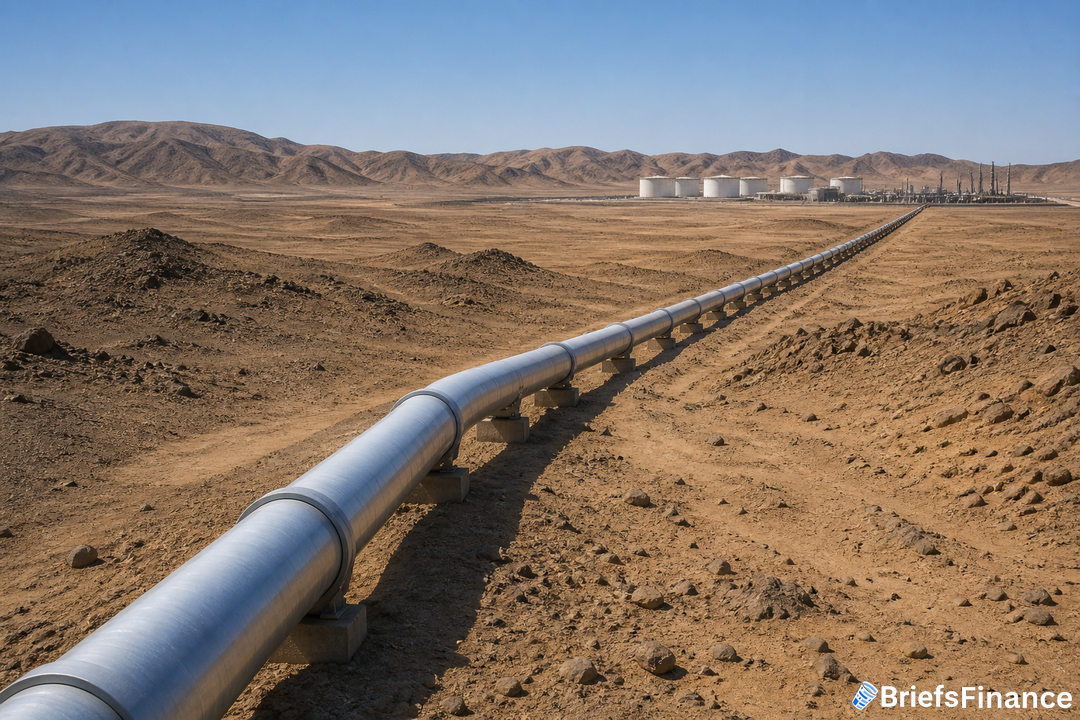
The plan calls for a 120 kilometer petroleum-products line tying Ethiopia to Djibouti's shoreline, plus two storage terminals. According to Billene Seyoum, who serves as spokeswoman for the Prime Minister's Office, capacity will be about 375,000 cubic metres at Damerjog and about 800,000 cubic metres at Dewele. The combined setup is designed to handle product movement and buffer supply along the corridor.
Who is funding it and when it goes live
Aliko Dangote, Africa's richest person, together with Ethiopian Investment Holdings, intend to put $660 million into the project. The timeline targets completion and start of operations within three years.
Big infrastructure plans show why patient planning can protect and grow your money. Join Briefs Finance CEO Jaspreet Singh on September 29th for a FREE live investor workshop, How to Profit From A Dollar That's Losing its Value, where he shows how we're spotting investment opportunities as the dollar falls. Save your spot.
The bottom line
A cheaper, more reliable fuel lifeline could help cool costs in a region where transport touches nearly everything you buy. If this pipeline hits its three-year mark, the payoff for consumers could show up at the pump and in freight prices, not just on corporate balance sheets.
Regional projects highlight the value of steady investing to preserve and increase wealth. Our CEO Jaspreet Singh is hosting a FREE live investor workshop, How to Profit From A Dollar That's Losing its Value, on September 29th. Sign up free to join him live.