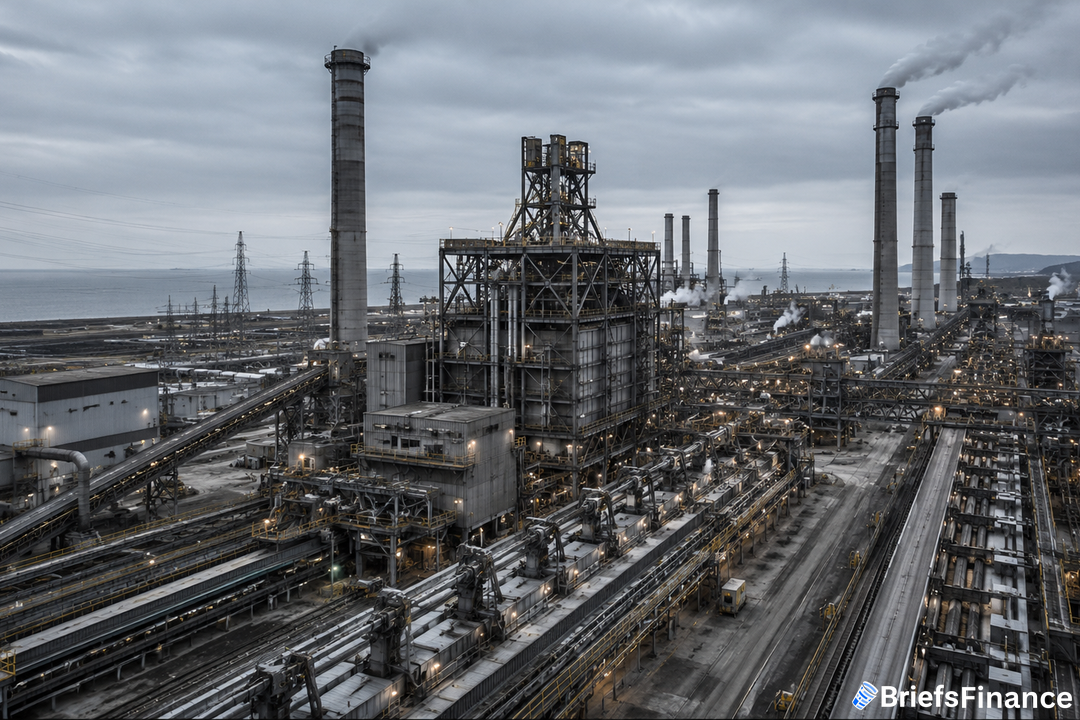
This was driven by a tech stock selloff, a strengthening dollar, and the anticipated return of Middle Eastern supply. The metal dropped 6.4% over the week, with the interim US‑Iran peace deal raising hopes for renewed shipments from a region producing nearly 10% of the world's aluminum.
Prices would have fallen further but recovered slightly on Friday after President Donald Trump accused Iran of breaking the ceasefire, reigniting fears of conflict that has shut smelters and disrupted Persian Gulf shipments. Vitol Group transported a stranded aluminum cargo through the Strait of Hormuz on Friday, providing early relief for buyers hit by shortages since the war began. Still, concerns persist about safe passage through the strait, especially after a vessel was struck by an unidentified projectile on Thursday.
Trump said on social media, "at least four "one‑way attack drones targeted ships in the waterway and one of them" solidly hit the upper deck of a large and very expensive cargo ship."
A number of aluminum market participants believe a supply squeeze may persist, whereas others anticipate a rapid ramp‑up in Middle Eastern production and exports. Such an increase could refill global stockpiles that have been heavily depleted in certain consumer regions.
Get your free investing masterclass bonus when you join Market Briefs, our free daily newsletter
The Middle East has long been a vital hub for aluminum production, with major smelters in the UAE, Bahrain, and Saudi Arabia. The ongoing conflict disrupted operations and shipping through the Strait of Hormuz, a chokepoint for global trade. The recent ceasefire offered a glimmer of hope, but the fragile security situation continues to keep markets on edge as traders weigh the risk of renewed hostilities.
The Week's Drop and the Dollar Factor
Industrial metals faced additional downward pressure Friday as technology shares sold off, highlighting the extreme volatility in the sector this week. The correlation between metals and tech shares stems from their use in electronics, wiring, and data centers.
The strengthening dollar made metals more expensive for international buyers using other currencies. The dollar index was poised for a roughly 0.5% weekly gain, after hitting a seven‑month high on Wednesday.
Still, aluminum ended Friday 0.5% higher at $3,179.50 per metric ton on the London Metal Exchange. That small gain came after Trump's accusation revived concerns over a war. Jinrui Futures Co. said in a note that aluminum prices are likely to keep moving sideways at low levels, held back by negative near‑term macroeconomic sentiment.
Rate Hikes Add to the Pressure
This week, Federal Reserve officials indicated increasing backing for raising interest rates over the next few months. Rising borrowing costs make commodities less appealing compared to interest‑bearing assets such as Treasuries, since metals generate no income. Combined with the strong dollar and the tech selloff, the short‑term macro sentiment for aluminum remains bearish, according to Jinrui Futures.
Subscribe to Market Briefs, our free daily newsletter, and claim your bonus investing masterclass