The Economic Blow to the Region
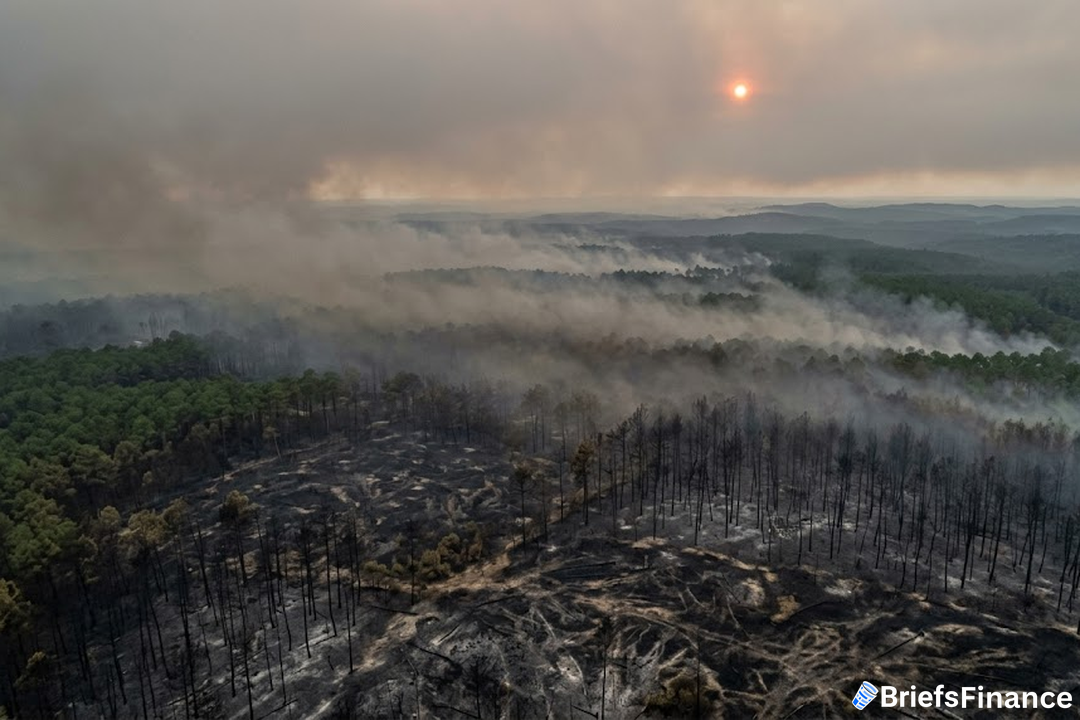
France's finance minister is not mincing words about the wildfires tearing through the southwest. Roland Lescure called it "an economic thunderbolt hitting a region that did not need it."
Here is the scale. Lescure also characterized the event as an environmental and societal calamity, but he emphasized the financial impact. "Everyone is fully mobilized in response to the ecological and social disaster," he said. "But it's also an economic thunderbolt."
The Fire Situation Is Fragile
As of Monday morning, the worst may have paused - but it is not over. According to David Annotel, a spokesperson for the national firefighters association, the fire conditions are currently stable but remain precarious.
That word "fragile" matters. A shift in the wind or a dry spell could send flames back into populated areas. The region is not out of danger yet.
Get the market news that matters in a five-minute read with Market Briefs, our free daily newsletter
The fires have been unpredictable and erratic, which is why officials ordered so many people to leave even when flames were not at their doorstep. Firefighters remain deployed across the Gironde, monitoring containment lines and preparing for any flare-ups. Authorities have warned that dry plants and strong winds might cause hotspots to flare up again, which is why many areas remain under evacuation orders. To keep roads open and allow water-dropping planes to operate safely, national fire services, local police, and emergency management teams have had to work closely together.
What Insurers Are Doing
Insurance companies agreed to step up. They are giving customers extra time to file claims related to the fires.
They also committed to covering relocation costs for households that were ordered to leave - even if the fire never touched their house.
One number worth noting: according to a 2025 report from the French insurance federation, fires account for only about 4% of all insurance claims in France. But they make up roughly 25% of total home-insurance costs. That gap tells you how expensive a single fire can be when it does happen. The claims are rare, but they are massive when they arrive.
The Threat to Wine and Tourism
The Gironde region hosts the world‑famous Bordeaux wine industry, with thousands of châteaux and vineyards. Many of these vineyards sat inside evacuation zones, and smoke exposure can taint grapes, potentially ruining the 2025 harvest. The tourism sector, which draws visitors to the region's vineyards and coastal resorts, also faces severe losses as summer bookings are canceled. These two industries rely heavily on the summer season for the bulk of their annual revenue, making the timing of the fires especially damaging.
The Road to Recovery
The economic fallout from the wildfires extends beyond immediate losses. Many of these businesses, especially in the wine and tourism sectors, depend on the summer season for the bulk of their revenue.
The French finance minister's characterization of the event as an "economic thunderbolt" reflects the deep impact on a region that was already facing economic challenges. Recovery will likely involve government aid, insurance payouts, and long-term rebuilding efforts. The full extent of the damage will become clearer as firefighters gain control and businesses assess their losses.
For now, the priority remains on containing the fires and ensuring public safety.
Join Market Briefs, our free daily newsletter, for a quick daily rundown of the markets