What happened
Renault says the European Union has scored an important early win with a deal to sharply curb the flow of Chinese-made hybrids into the bloc. The agreement followed Friday talks between EU trade chief Maros Sefcovic and his Chinese counterpart. "I had urged him to seek an agreement quickly," Chief Executive Officer Francois Provost told an interviewer on Sunday. "Without one, we would be looking at a trade war with China, which would be a lose-lose situation for everyone."
Before the trip, Provost joined a group of executives meeting with Sefcovic as the EU moved to address growing trade gaps. In the run-up to talks with Chinese Commerce Minister Wang Wentao, France and Germany pressed Brussels to markedly strengthen its countermeasures and investigate whether subsidized imports damage industries like chemicals and plastics. "At least on the China front, there has been some headway thanks to to Commissioner Sefcovic," Provost said.
Why Europe acted now
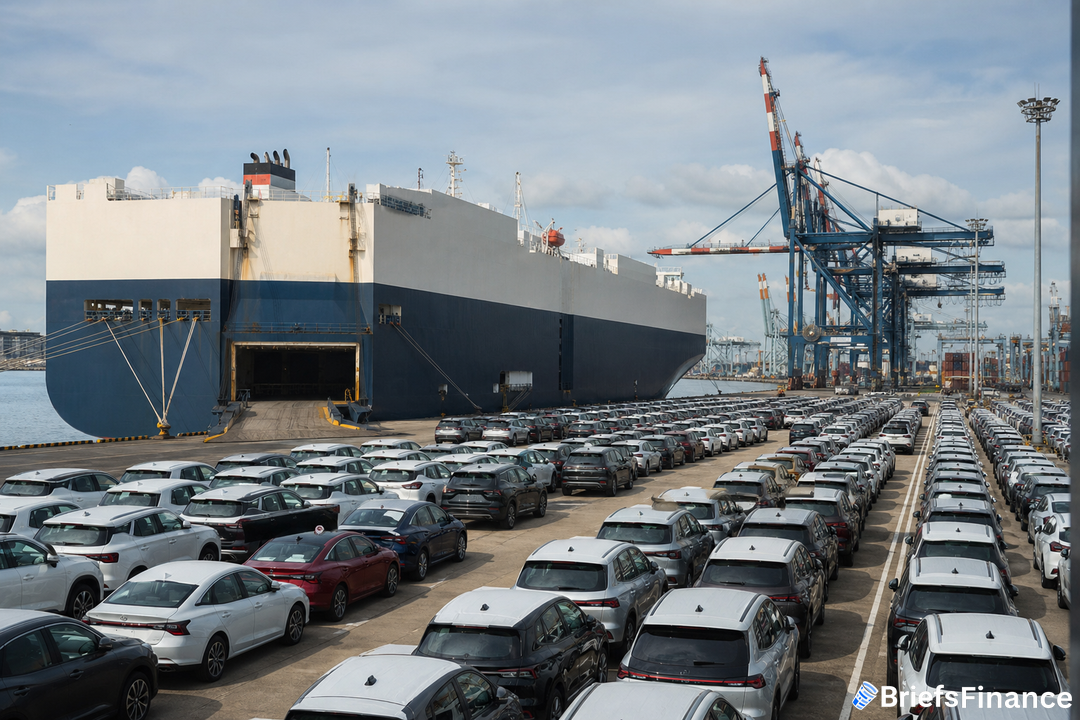
Chinese brands have ramped up hybrid sales across Europe this year, reaching up to one quarter of monthly deliveries and fanning trade tensions. Dataforce tracking includes marques such as Polestar, DR, Evo, Chery-Ebro and Stellantis-Leapmotor ventures, and shows that brands like BYD hit their highest share of the European market in August across the EU, EFTA countries and the UK. The dataset counts both plug-in and non-plug-in hybrids.
The appeal is clear: lineups like BYD's Dolphin hatchback bring competent EV tech at prices Europeans notice. Meanwhile, local manufacturers face heat from players such as Chery Automobile and are ceding ground in China to quicker-moving competitors. The pressure is real at home too, with companies like Volkswagen cutting jobs as part of broader cost reductions.
Carmaker reactions reveal who actually wins from a trade deal. Market Briefs covers that policy free every morning.
Renault's playbook
Provost has pushed for an EU-China arrangement that limits import volumes while prompting Chinese automakers and suppliers to build in Europe. "We need Chinese companies to invest heavily in the European value chain rather than just set up 'screwdriver plants'," he said, urging the EU to move fast on Made-in-Europe rules to frame local operations. He added, "We have no reason to be ashamed of the technology in our cars, and we are ensuring that these cars are competitive against the Chinese rivals who will be manufacturing in Europe." He also argued Renault's bet on EVs "was the right one."
In France, Renault is already working with partners from China. Near Renault's Douai assembly site in northern France, Envision AESC assembles EV battery packs destined for the R5 city car - currently the top seller - along with the R4 and the Alpine A290. Renault sped up development by teaming engineers based in China and in France, needing only 16 months to roll out the second-generation battery-powered Dacia Spring, which starts below €18,000 ($20,160).
So far, Renault has weathered the competition better than many European peers. It stuck to its EV rollout plans even as choppy demand pushed rivals like VW and Stellantis into costly strategy shifts. With Europe as its core market, the company likewise gained from strong EV demand while gasoline and diesel prices were rising.
What this means for your portfolio
Last month, Moody's raised Renault's long-term credit rating, citing a "sustained" improvement in credit quality and a "materially stronger" balance sheet. Citi analyst Harald Hendrikse summed up execution this year, writing, "Renault management has clearly done a much better budgeting and execution job than investors expected." Looking ahead, Provost said he plans to allocate another €10 billion in France over the next five years, contingent on sufficient political and social backing.
Net-net, Europe is trying to reshape the playing field while Renault doubles down on faster cycles, local supply, and EVs. If you are tracking carmakers or EV-adjacent names, watch whether limits on hybrid imports stick and whether more Chinese suppliers build in Europe, because both could shift where value gets created.
European producers have been lobbying on this for a long time. Get the free Market Briefs daily newsletter and follow it.