What Ninety One wants to fund
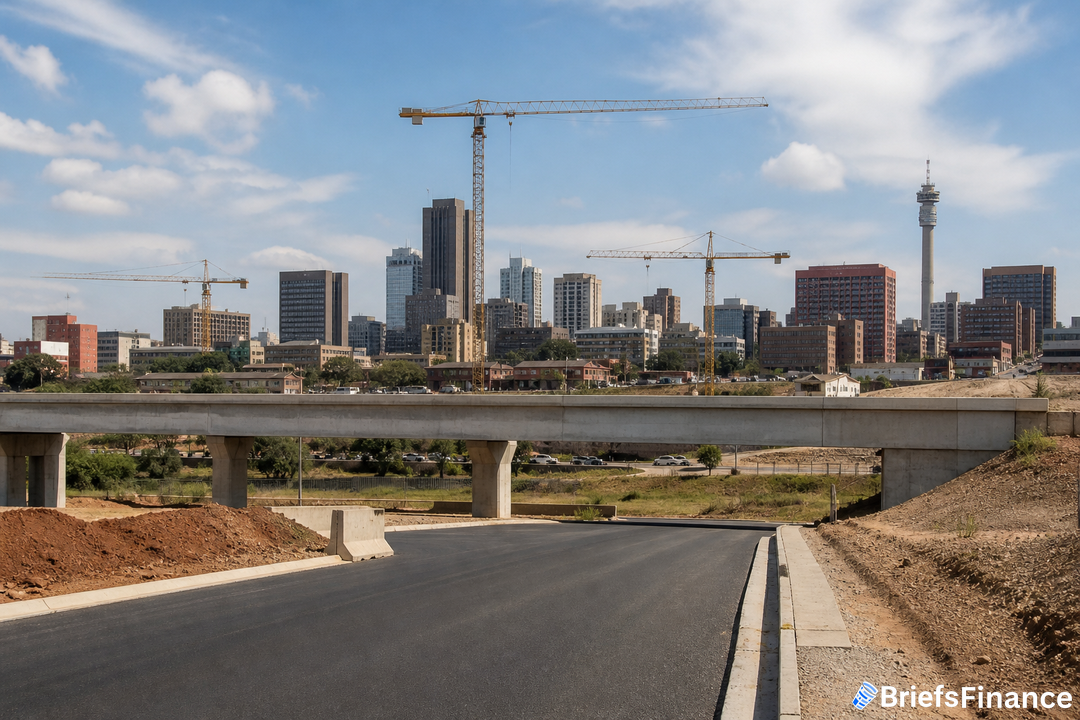
Ninety One says it will back infrastructure projects aimed at stabilizing and reviving Johannesburg. Du Toit framed it as a team sport, not a solo act, telling Bloomberg Television that "The major city in the country needs to be turned around," that "It has been appallingly managed," and that the firm is "making plans to help - not just us, but within our ecosystem." He also argued the fix is doable: "I think it could be turned around relatively quickly, although it'll be a huge job."
Why the timing matters
Years of political churn and poor governance have left Johannesburg with debts in the hundreds of millions of dollars owed to service providers and struggling to deliver reliable basic services. Du Toit warned that if the city does not improve, retaining senior talent gets harder because "people don't want to live in places where the water is just cut off and where the roads have too many potholes."
Control of the city is up for grabs in South Africa's Nov. 4 local elections. An ANC-led coalition currently runs Johannesburg, but veteran opposition figure Helen Zille is the leading mayoral contender, according to a News 24 and SABI Strategy Group poll released Oct. 4. The survey showed Zille favored by 36% of voters versus 27% for an ANC candidate, still below the 50% mark needed to govern alone.
Urban renewal needs patient capital more than it needs plans. Market Briefs covers development finance free every weekday.
How the money could flow
Du Toit pointed to two playbooks the country already has: a surge of private investment in renewable energy and a corporate partner modernizing Pier 2 at the port of Durban, sub-Saharan Africa's biggest container gateway. The pitch is to bring "the best in the world" into other infrastructure too. As he put it, "The investment dollars will start following the results," with "domestic dollars first, and then bring in international dollars once the proof points are there," provided the pricing makes sense.
The broader investment backdrop
South Africa is still wrestling with the legacy of corruption and mismanagement under former President Jacob Zuma, and the economy has grown by less than 1% a year on average for more than a decade. That backdrop has kept companies cautious, "hoarding cash on their balance sheets," according to Du Toit, who also said he sees early signs that corporate spending is picking up. According to the central bank's latest Quarterly Bulletin, private-sector fixed investment declined during the three months to June, even as corporate bank deposits rose.
For context, Du Toit helped launch Investec's asset management arm in 1991. That business later became Ninety One, which was spun off in 2020 and now trades as an independent company. If Johannesburg can show tangible progress, Du Toit's bet is that more money will follow - a sequence that could shape where everyday investors eventually see opportunities in South African infrastructure and related assets.
Who funds a city's comeback shapes what it becomes. Join Market Briefs free and follow the money.